Womens Health During Pregnancy A Comprehensive Guide
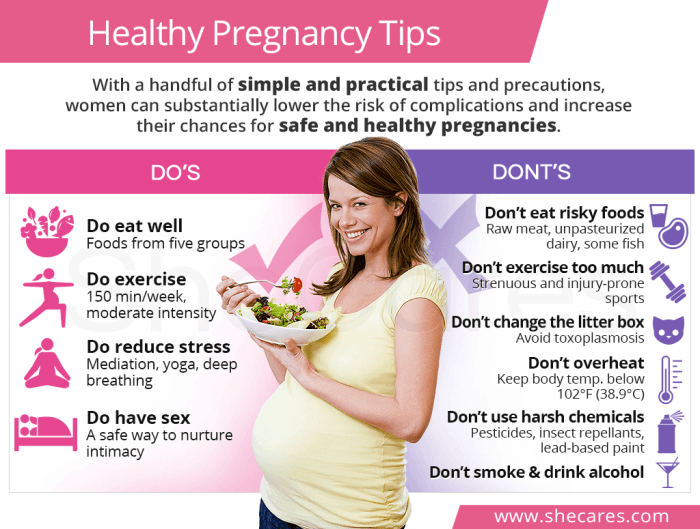
Women’s health during pregnancy is a transformative journey, marked by profound physical, emotional, and mental changes. This period requires careful attention to nutritional needs, regular medical checkups, and proactive management of potential complications. Understanding the unique challenges and opportunities of each trimester is crucial for a healthy pregnancy and a positive birthing experience. This guide explores the multifaceted aspects of women’s well-being throughout this significant life stage, offering insights and practical advice to support mothers-to-be.
From navigating the physical discomforts of morning sickness and fatigue to addressing the emotional rollercoaster of anxiety and stress, pregnancy demands a holistic approach to health. We will examine the importance of prenatal care, dietary adjustments, appropriate exercise, and mental health support. By understanding the physiological shifts and emotional fluctuations, expectant mothers can take informed decisions to ensure both their well-being and the healthy development of their baby.
Mental Health Advocacy During Pregnancy

Pregnancy is a transformative period in a woman’s life, bringing immense joy but also significant physical and emotional changes. It’s crucial to recognize that mental health is an integral part of overall well-being during this time, and advocating for accessible and supportive mental health services is paramount. Ignoring mental health needs during pregnancy can have long-lasting consequences for both the mother and child.The importance of advocating for mental health services during pregnancy and postpartum stems from the increased vulnerability to mental health conditions during this period.
Hormonal fluctuations, sleep deprivation, and the significant life adjustments associated with motherhood can trigger or exacerbate pre-existing conditions like anxiety and depression, or even lead to the onset of new ones like postpartum psychosis. Early intervention and access to appropriate care are critical for mitigating the impact of these conditions and promoting positive maternal and child outcomes.
Strategies for Reducing Stigma Surrounding Perinatal Mental Health
Reducing the stigma surrounding mental health during pregnancy requires a multi-pronged approach. Open and honest conversations about mental health are essential, normalizing the experience and encouraging women to seek help without shame. Public awareness campaigns featuring relatable stories from mothers who have experienced perinatal mental health challenges can significantly impact public perception. Furthermore, training healthcare professionals to sensitively address mental health concerns and provide appropriate referrals can help break down barriers to care.
Finally, promoting a culture of support within families and communities, where seeking help is viewed as a sign of strength rather than weakness, is crucial.
Examples of Successful Mental Health Advocacy Initiatives
Several successful initiatives demonstrate the power of advocacy in improving perinatal mental health care. For example, the widespread implementation of postpartum depression screening programs in many healthcare systems has led to earlier identification and treatment of this prevalent condition. Similarly, the establishment of dedicated perinatal mental health clinics and support groups provides specialized care and a sense of community for expectant and new mothers.
Successful advocacy also involves lobbying for policies that ensure access to affordable mental health services, including coverage under insurance plans. Furthermore, initiatives focused on educating healthcare providers about perinatal mental health conditions and best practices in treatment have proven highly effective.
Accessing and Navigating the Mental Health System
Navigating the mental health system can be challenging, particularly during pregnancy when time and energy are often limited. A crucial first step is identifying a trusted healthcare provider who can assess mental health needs and provide appropriate referrals. This might involve a primary care physician, obstetrician, or a mental health specialist. Understanding the available treatment options, such as therapy, medication, and support groups, is also vital.
Many communities offer resources like hotlines and online support networks that can provide immediate assistance and guidance. Advocacy groups dedicated to perinatal mental health can offer valuable information about local resources and support navigating the complexities of the healthcare system. Furthermore, understanding insurance coverage and financial assistance programs can help alleviate concerns about the cost of care.
Therapy and Counseling Options for Pregnant Women
Pregnancy can be a joyous time, but it also presents unique challenges that can impact a woman’s mental well-being. Hormonal shifts, physical discomfort, anxieties about childbirth and parenthood, and relationship changes can all contribute to stress, anxiety, and depression. Seeking professional support can be invaluable in navigating these complexities and ensuring a healthier pregnancy experience for both mother and baby.Many different types of therapy can be beneficial during pregnancy, each offering a unique approach to addressing mental health concerns.
The most effective approach will vary depending on individual needs and preferences.
Types of Therapy for Pregnant Women
Several therapeutic approaches have proven effective in supporting pregnant women’s mental health. Cognitive Behavioral Therapy (CBT) focuses on identifying and changing negative thought patterns and behaviors that contribute to distress. Psychotherapy, a broader term encompassing various approaches, helps individuals explore their emotions, experiences, and relationships to gain self-understanding and improve coping mechanisms. Other beneficial approaches include interpersonal therapy, which focuses on improving relationships, and mindfulness-based therapies, which promote stress reduction through present moment awareness.
The choice of therapy should be made in consultation with a mental health professional to determine the best fit for individual circumstances.
Benefits of Professional Support During Pregnancy
Seeking professional support offers numerous benefits for pregnant women experiencing mental health challenges. Early intervention can prevent mild concerns from escalating into more severe issues. Therapy provides a safe and confidential space to process emotions, gain coping strategies, and build resilience. A therapist can offer personalized support tailored to the specific challenges of pregnancy, such as managing anxiety about labor, addressing body image concerns, or navigating relationship dynamics.
Furthermore, professional support can contribute to improved maternal-fetal health outcomes and a more positive postpartum experience.
Resources for Finding Qualified Therapists
Finding a qualified therapist specializing in perinatal mental health is crucial. Several resources can assist in this search. Your primary care physician or obstetrician can often provide referrals to mental health professionals. Online directories, such as those maintained by professional organizations like the Postpartum Support International (PSI) or the American Psychological Association (APA), can help locate therapists with expertise in perinatal mental health.
Insurance providers also often have directories of in-network therapists. It’s important to check for therapists’ credentials and experience in working with pregnant women.
Addressing Specific Pregnancy Challenges Through Therapy
Therapy can effectively address various challenges encountered during pregnancy. For example, anxiety about childbirth can be managed through techniques like relaxation training, cognitive restructuring, and exposure therapy. Depression symptoms can be addressed through medication management (in conjunction with therapy), cognitive behavioral techniques, and interpersonal therapy to improve social support. Relationship difficulties can be worked through with couples therapy, focusing on communication and conflict resolution skills.
Body image concerns can be explored through body positivity techniques and self-acceptance exercises. Ultimately, therapy provides a framework for developing coping mechanisms and building resilience to navigate the emotional rollercoaster of pregnancy.
Building Resilience During Pregnancy
Pregnancy is a transformative journey, filled with joy, anticipation, and, inevitably, challenges. Physical changes, hormonal fluctuations, and emotional shifts can create stress, anxiety, and even overwhelm. Building resilience – the ability to bounce back from adversity – is crucial for navigating these complexities and fostering a positive pregnancy experience. This involves proactive strategies to manage stress, cultivate self-compassion, and build a strong support system.Developing resilience during pregnancy isn’t about avoiding difficulties; it’s about equipping yourself with the tools to handle them effectively.
It’s about fostering a mindset that allows you to adapt, cope, and thrive amidst the inevitable ups and downs. By proactively engaging in self-care, building connections, and cultivating a positive outlook, you can navigate pregnancy with greater confidence and ease.
Strategies for Building Resilience and Coping Skills
Building resilience involves a multifaceted approach. It encompasses developing practical coping mechanisms, managing stress effectively, and learning to prioritize self-care. These strategies empower you to navigate the challenges of pregnancy with greater confidence and emotional stability. For example, practicing mindfulness through meditation or deep breathing exercises can help regulate stress hormones and promote a sense of calm.
Similarly, engaging in regular physical activity, tailored to pregnancy, can improve mood, reduce anxiety, and boost overall well-being. Learning relaxation techniques, such as progressive muscle relaxation, can also be beneficial in managing stress and promoting restful sleep. Finally, maintaining a healthy diet and ensuring adequate hydration are fundamental to supporting both physical and mental well-being throughout pregnancy.
The Importance of Self-Compassion and Self-Care During Pregnancy
Self-compassion involves treating yourself with the same kindness and understanding you would offer a close friend facing similar challenges. Pregnancy often brings physical discomfort, emotional vulnerability, and societal pressures. Practicing self-compassion means acknowledging these difficulties without self-criticism. It’s about accepting that it’s okay to feel overwhelmed, tired, or emotional at times. Self-care, on the other hand, involves prioritizing activities that nurture your physical and mental well-being.
This might include getting enough sleep, eating nutritious foods, engaging in enjoyable hobbies, and setting boundaries to protect your time and energy. For example, saying no to social engagements when feeling exhausted is a form of self-care, as is scheduling regular appointments for prenatal massage or acupuncture.
Practical Tips for Building a Strong Support Network
A strong support network is invaluable during pregnancy. Surrounding yourself with supportive individuals who understand and empathize with your experiences can significantly reduce stress and promote a sense of well-being. This network might include your partner, family members, friends, or a support group for pregnant women. Open communication is key; sharing your feelings and concerns with trusted individuals can alleviate feelings of isolation and provide emotional support.
Consider joining a prenatal yoga class or a childbirth education course to connect with other expectant mothers. Online forums and support groups can also provide a sense of community and shared experience. Remember, it’s okay to ask for help; accepting support from your network is a sign of strength, not weakness.
Developing a Positive Mindset and Maintaining Hope
Cultivating a positive mindset involves focusing on the positive aspects of pregnancy while acknowledging and managing the challenges. This includes practicing gratitude, celebrating milestones, and visualizing a positive birth experience. Journaling can be a powerful tool for tracking your feelings, identifying patterns, and fostering a sense of hope. Reading positive birth stories or listening to uplifting music can also contribute to a positive outlook.
Remembering that pregnancy is a temporary phase, and that the challenges are surmountable, can help maintain hope and perspective throughout the journey. Focusing on the anticipation of meeting your baby can also provide a powerful source of motivation and positive energy.
Sleep and Mental Health During Pregnancy
Pregnancy brings about significant hormonal and physical changes, impacting various aspects of a woman’s well-being, including her sleep. The relationship between sleep quality and mental health during this period is particularly crucial, as both can significantly influence the overall health and development of both mother and baby. Insufficient or poor-quality sleep can exacerbate existing mental health conditions or trigger new ones, while adequate rest contributes to a more positive and stable emotional state.Sleep quality significantly affects mental health during pregnancy.
Hormonal fluctuations, physical discomfort, and anxiety related to pregnancy and childbirth can disrupt sleep patterns, leading to fatigue, irritability, and mood swings. Conversely, consistent, restful sleep can help regulate mood, reduce stress, and improve cognitive function, which are all vital for managing the emotional challenges of pregnancy. A lack of sleep can worsen symptoms of existing conditions like anxiety and depression, while sufficient sleep can help mitigate these symptoms.
Impact of Sleep Deprivation on Mood and Overall Well-being
Sleep deprivation during pregnancy can negatively impact mood and overall well-being in several ways. The body and mind require adequate rest to function optimally, and a lack of sleep weakens the body’s ability to cope with stress and regulate emotions. This can manifest as increased irritability, heightened anxiety, difficulty concentrating, and feelings of overwhelming sadness or hopelessness. Furthermore, insufficient sleep can impair judgment and decision-making skills, making it harder for pregnant women to navigate the complexities of pregnancy and prepare for childbirth.
The cumulative effect of chronic sleep deprivation can significantly increase the risk of developing postpartum depression. For instance, a study published in the journal
Sleep Medicine* showed a strong correlation between sleep disturbances during pregnancy and the development of postpartum depression.
Tips for Improving Sleep Hygiene During Pregnancy
Establishing good sleep hygiene is essential for improving sleep quality during pregnancy. This involves creating a consistent sleep schedule, prioritizing relaxation before bed, and optimizing the sleep environment. Creating a calming bedtime routine, such as taking a warm bath, reading a book, or listening to calming music, can signal to the body that it’s time to wind down.
Maintaining a comfortable sleep temperature and minimizing light and noise exposure can also contribute to better sleep. Regular physical activity during the day can improve sleep quality, but strenuous exercise should be avoided close to bedtime. Avoiding caffeine and alcohol in the evening is crucial, as these substances can interfere with sleep. Finally, ensuring adequate hydration throughout the day can also help prevent nighttime awakenings.
Strategies for Managing Insomnia and Other Sleep Disturbances During Pregnancy
Insomnia and other sleep disturbances are common during pregnancy. Strategies for managing these issues include practicing relaxation techniques such as deep breathing exercises or meditation, engaging in regular light exercise, and seeking professional help if needed. Cognitive behavioral therapy for insomnia (CBT-I) is a particularly effective treatment for chronic insomnia. This therapy helps identify and modify negative thoughts and behaviors that contribute to sleep problems.
Over-the-counter sleep aids should be avoided unless specifically recommended by a doctor, as some can be harmful during pregnancy. Maintaining open communication with a healthcare provider about sleep difficulties is crucial, as they can offer personalized advice and guidance based on individual circumstances and health conditions.
Workplace Mental Health for Pregnant Employees
Navigating pregnancy can be a joyous yet challenging time, and the workplace plays a significant role in shaping a pregnant employee’s overall well-being. A supportive and understanding work environment is crucial for mitigating stress and promoting both physical and mental health during this important period. Failing to provide adequate support can negatively impact employee morale, productivity, and even lead to legal ramifications.The importance of workplace support for pregnant employees’ mental health cannot be overstated.
Pregnancy brings about significant physical and hormonal changes, alongside emotional shifts and anxieties about motherhood. Work-related stress can exacerbate these challenges, leading to increased risk of depression, anxiety, and other mental health conditions. Providing a supportive environment directly contributes to a healthier pregnancy and a smoother transition into motherhood.
Best Practices for Creating a Supportive Work Environment
Creating a supportive and inclusive work environment requires a multi-faceted approach. This involves proactive measures to reduce workplace stressors, promote open communication, and provide necessary accommodations. This goes beyond simply complying with legal requirements; it’s about fostering a culture of care and understanding.
Legal Protections and Accommodations for Pregnant Employees, Women’s health during pregnancy
Several legal frameworks exist to protect pregnant employees from discrimination and ensure they receive reasonable accommodations. The Pregnancy Discrimination Act (PDA) in the United States, for example, prohibits employers from discriminating against pregnant employees in any aspect of employment, including hiring, firing, promotion, and compensation. This act mandates reasonable accommodations for pregnant employees, such as modified work schedules, lighter duties, or temporary leave.
Similar legislation exists in many other countries, ensuring pregnant employees are protected from unfair treatment. It’s crucial for employers to understand and comply with these laws to prevent legal issues and create a fair workplace.
Examples of Effective Workplace Mental Health Programs
Effective workplace mental health programs for pregnant employees often incorporate several key elements. These can include access to on-site or telehealth counseling services, flexible work arrangements, educational resources on pregnancy and postpartum mental health, and peer support groups. For example, a company might offer workshops led by mental health professionals on managing stress during pregnancy, or provide access to a confidential employee assistance program (EAP) that offers counseling and support.
Another example could be the implementation of a phased return-to-work program allowing new mothers to gradually reintegrate into their roles after maternity leave, minimizing stress and allowing for a smooth transition. These programs not only benefit the employee but also positively impact workplace productivity and employee retention.
Overcoming Addictions During Pregnancy: Women’s Health During Pregnancy
Pregnancy is a time of immense physical and emotional change, and for women struggling with addiction, it presents unique challenges and heightened risks. Substance abuse during pregnancy can have devastating consequences for both the mother and the developing fetus, impacting fetal growth, increasing the risk of premature birth, birth defects, and long-term developmental problems in the child. Addressing addiction during pregnancy is crucial for the well-being of both mother and child.Substance abuse during pregnancy poses significant risks to the developing fetus.
Exposure to drugs, alcohol, or nicotine can lead to a range of serious health problems, including low birth weight, premature birth, fetal alcohol spectrum disorders (FASDs), and increased risk of Sudden Infant Death Syndrome (SIDS). These effects can have lifelong consequences for the child, affecting their physical and cognitive development. The severity of these effects depends on several factors, including the type and amount of substance used, the timing of exposure during pregnancy, and the mother’s overall health.
For example, cocaine use can lead to premature detachment of the placenta, while alcohol can cause irreversible brain damage. Nicotine restricts blood flow to the fetus, impacting oxygen and nutrient delivery. The consequences of substance abuse underscore the critical need for intervention and support for pregnant women struggling with addiction.
Risks of Substance Abuse During Pregnancy
The risks associated with substance abuse during pregnancy are substantial and far-reaching. These risks affect not only the physical health of the baby but also its cognitive development and long-term well-being. Exposure to substances like opioids, cocaine, methamphetamine, and alcohol can lead to a variety of birth defects, including heart defects, cleft palate, and limb abnormalities. Furthermore, exposure to these substances can increase the risk of premature birth, low birth weight, and developmental delays.
The severity of these effects often depends on the type and amount of substance used, as well as the timing of exposure during pregnancy. For instance, exposure to alcohol during the first trimester can have particularly devastating consequences on the developing brain. Moreover, the long-term impact on the child can include learning disabilities, behavioral problems, and difficulties with social interaction.
It is therefore crucial that pregnant women struggling with addiction receive appropriate treatment and support to minimize these risks.
Resources and Support Systems for Pregnant Women Struggling with Addiction
A network of support systems exists to assist pregnant women battling addiction. These resources include residential treatment centers offering comprehensive care, medically supervised detoxification programs, outpatient therapy, and support groups specifically designed for pregnant women facing addiction. Many hospitals and healthcare facilities offer specialized prenatal care for women with substance use disorders, integrating addiction treatment into their obstetric services.
Additionally, community-based organizations and non-profit groups provide crucial support, offering counseling, peer support, and assistance with housing and childcare. These organizations often connect women with resources like Medicaid and other government assistance programs. Furthermore, some workplaces offer employee assistance programs (EAPs) that can help connect pregnant employees struggling with addiction to appropriate treatment and support. The availability of these resources varies by location, but seeking help is the first crucial step toward recovery.
Importance of Seeking Professional Help for Addiction Treatment During Pregnancy
Seeking professional help for addiction treatment during pregnancy is paramount for the health of both the mother and the child. Professional treatment provides a structured and medically supervised approach to detoxification and recovery, minimizing risks associated with withdrawal symptoms and ensuring the safety of the developing fetus. Healthcare professionals can tailor treatment plans to address individual needs, considering the specific substance used, the severity of addiction, and the pregnant woman’s overall health.
Moreover, professional treatment provides access to a comprehensive range of support services, including individual and group therapy, medication-assisted treatment (MAT), and ongoing counseling to address underlying mental health issues often associated with addiction. This holistic approach is crucial for successful long-term recovery and for building a supportive environment conducive to a healthy pregnancy and the well-being of the newborn.
Delaying treatment can lead to more severe consequences for both mother and child.
Safe and Effective Treatment Options for Various Addictions
Treatment options for addiction during pregnancy are designed to be safe for both the mother and the developing fetus. Medication-assisted treatment (MAT) uses medications to manage withdrawal symptoms and reduce cravings, making it easier for women to participate in therapy and other recovery activities. Commonly used medications include methadone and buprenorphine for opioid addiction. These medications are carefully monitored to minimize risks to the fetus.
In addition to MAT, therapy plays a vital role in addiction treatment. Cognitive behavioral therapy (CBT) helps women identify and change negative thought patterns and behaviors that contribute to addiction. Individual and group therapy provide a safe space to discuss challenges, build coping skills, and receive support from others facing similar struggles. Counseling can also address underlying mental health issues like depression and anxiety, which often co-occur with addiction.
A comprehensive treatment plan typically combines medication, therapy, and support services to achieve the best possible outcomes for both the mother and her child.
Personal Growth and Self-Care During Pregnancy
Pregnancy is a transformative journey, demanding both physical and emotional adjustments. Prioritizing self-care during this period is not selfish; it’s essential for the well-being of both the mother and the developing baby. Self-care empowers pregnant women to navigate the challenges of pregnancy with greater resilience and enjoy a more positive experience. It allows them to replenish their emotional and physical reserves, better equipping them for the demands of motherhood.Self-care practices during pregnancy are vital for maintaining overall well-being and building resilience.
These practices offer a much-needed buffer against the stress and anxieties that often accompany pregnancy. By engaging in self-care, expectant mothers can better manage physical discomfort, hormonal fluctuations, and emotional changes, contributing to a healthier and happier pregnancy. The positive impact extends beyond the pregnancy itself, laying a foundation for a smoother transition into motherhood.
Benefits of Self-Care Activities for Pregnant Women
Self-care activities offer numerous benefits to pregnant women. These activities can range from simple practices to more involved ones, depending on individual preferences and circumstances. The key is consistency and finding activities that genuinely bring a sense of peace and rejuvenation. Regular engagement in self-care can significantly improve mood, reduce stress levels, and enhance the overall pregnancy experience.
Examples of Self-Care Activities During Pregnancy
Engaging in activities that promote relaxation and well-being is crucial during pregnancy. Many options are readily available, catering to diverse interests and preferences. These activities can be adapted to fit individual lifestyles and schedules, ensuring accessibility and practicality. Examples include: gentle exercise like yoga or walking, spending time in nature, practicing mindfulness or meditation, listening to calming music, reading enjoyable books, taking warm baths, getting regular massages (with a qualified prenatal massage therapist), and journaling to process emotions and thoughts.
The Role of Journaling in Self-Care During Pregnancy
Journaling provides a valuable outlet for processing the complex emotions experienced during pregnancy. It allows expectant mothers to express their feelings, anxieties, and hopes in a safe and private space. This process can be incredibly therapeutic, fostering self-awareness and emotional regulation. Regular journaling can help to identify and address potential stressors, promoting mental and emotional well-being. The act of writing can be calming and reflective, offering a sense of control and clarity amidst the many changes of pregnancy.
It also provides a lasting record of this special time, creating a cherished keepsake for the future.
The Importance of Spending Time in Nature During Pregnancy
Spending time in nature offers a multitude of benefits for pregnant women. Exposure to fresh air and sunlight can improve mood and reduce stress levels. The natural world provides a calming and restorative environment, fostering a sense of peace and tranquility. Studies have shown that time spent outdoors can lower cortisol levels (the stress hormone) and boost serotonin levels (a mood-regulating neurotransmitter).
Activities such as walking in a park, gardening, or simply sitting under a tree can provide a much-needed respite from the demands of daily life.
Personal Growth Activities During Pregnancy
Personal growth activities can significantly enhance the pregnancy experience by fostering self-awareness, resilience, and a sense of empowerment. These activities can include prenatal yoga classes focused on mindfulness and body awareness, attending childbirth education classes to prepare for labor and delivery, reading books on pregnancy and parenting, joining a support group for expectant mothers, or pursuing hobbies that bring joy and fulfillment.
Engaging in these activities not only promotes personal development but also prepares the expectant mother for the challenges and joys of motherhood.
Embarking on the journey of pregnancy requires a multifaceted approach to well-being, encompassing physical health, nutritional needs, mental fortitude, and access to supportive resources. By prioritizing self-care, seeking professional guidance, and fostering a strong support network, expectant mothers can navigate the challenges and embrace the joys of this transformative period. Remember that proactive health management during pregnancy contributes significantly to a positive birth experience and a healthy start for both mother and child.
This comprehensive guide aims to empower women with the knowledge and resources necessary for a fulfilling and healthy pregnancy journey.
Essential FAQs
What are some signs of preeclampsia?
High blood pressure, protein in urine, swelling in hands and face. Seek immediate medical attention if experiencing these.
Is it safe to travel during pregnancy?
Generally yes, but consult your doctor, especially in later trimesters. Consider travel insurance.
How much weight gain is considered healthy during pregnancy?
This varies based on pre-pregnancy BMI; consult your doctor for personalized recommendations.
When should I start breastfeeding classes?
Ideally, begin classes in the third trimester to prepare for breastfeeding postpartum.


