The Role of Exercise in Heart Health
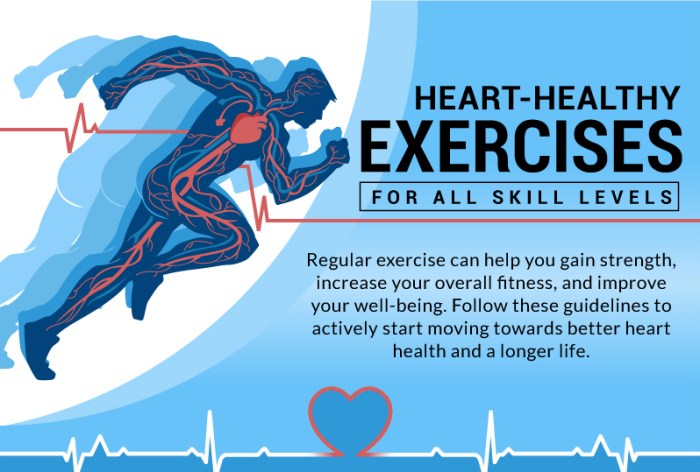
The role of exercise in heart health is undeniable. From preventing serious conditions like heart attacks and strokes to improving overall cardiovascular function and even boosting mental well-being, regular physical activity offers a multitude of benefits. This exploration delves into the various ways exercise impacts heart health, covering different exercise types, tailored programs, and the crucial role it plays in disease prevention and rehabilitation.
We’ll examine the mechanisms by which exercise improves blood pressure, cholesterol, and blood sugar, providing evidence-based recommendations for frequency, intensity, and duration. Furthermore, we’ll discuss the importance of exercise in mental health, resilience, and even workplace wellness, illustrating how a commitment to physical activity can significantly enhance both physical and mental well-being throughout all stages of life.
Cardiovascular Benefits of Exercise
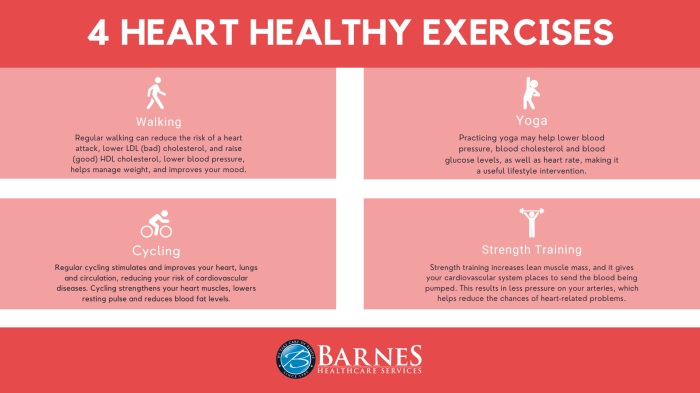
Regular physical activity is a cornerstone of good cardiovascular health. It significantly reduces the risk of heart disease, stroke, and other related conditions by influencing several key physiological factors. Understanding the mechanisms by which different types of exercise contribute to these improvements is crucial for developing effective and personalized exercise programs.
Mechanisms of Cardiovascular Improvement Through Exercise
Different types of exercise impact the cardiovascular system through distinct, yet interconnected, mechanisms. Aerobic exercise, such as running, swimming, or cycling, primarily improves cardiovascular fitness by strengthening the heart muscle, increasing its efficiency in pumping blood, and enhancing the body’s ability to utilize oxygen. Strength training, on the other hand, increases muscle mass and strength, which indirectly benefits the cardiovascular system by improving metabolic function and reducing strain on the heart.
Flexibility exercises, like yoga or stretching, improve joint mobility and range of motion, contributing to better posture and overall physical function, indirectly supporting cardiovascular health. The combined effect of these different exercise modalities provides a comprehensive approach to cardiovascular well-being.
Impact of Exercise on Key Cardiovascular Risk Factors
Regular exercise demonstrably improves several key cardiovascular risk factors. It lowers blood pressure by reducing peripheral resistance and improving vascular function. Studies show that consistent aerobic exercise can significantly reduce both systolic and diastolic blood pressure, even in individuals with hypertension. Exercise also favorably impacts cholesterol levels by increasing high-density lipoprotein (HDL, or “good”) cholesterol and decreasing low-density lipoprotein (LDL, or “bad”) cholesterol.
This lipid profile improvement reduces the risk of atherosclerosis, the buildup of plaque in arteries. Furthermore, regular physical activity enhances blood sugar control by improving insulin sensitivity and glucose uptake by muscles, reducing the risk of type 2 diabetes, a major contributor to heart disease.
Exercise Programs Tailored to Different Age Groups and Fitness Levels
Designing an exercise program tailored to individual needs is essential for maximizing benefits and minimizing risks. For young adults (18-35), a program incorporating a mix of aerobic exercise (at least 150 minutes of moderate-intensity or 75 minutes of vigorous-intensity per week), strength training (two or more days per week), and flexibility exercises (at least two days per week) is recommended.
Older adults (65+) might benefit from a modified program emphasizing low-impact aerobic exercises like walking or water aerobics, combined with strength training focused on maintaining muscle mass and balance. Individuals with pre-existing conditions should consult their physician before starting any new exercise program. A gradual progression in intensity and duration is crucial for all age groups to avoid injury and promote adherence.
Comparison of Cardiovascular Benefits of Different Exercise Types
| Exercise Type | Impact on Blood Pressure | Impact on Cholesterol | Impact on Blood Sugar |
|---|---|---|---|
| Aerobic Exercise | Significant reduction | Increased HDL, decreased LDL | Improved insulin sensitivity |
| Strength Training | Moderate reduction | Improved lipid profile | Improved glucose metabolism |
| Flexibility Exercise | Indirect benefits through improved overall health | Indirect benefits | Indirect benefits |
Exercise and Heart Disease Prevention
Regular physical activity plays a crucial role in preventing heart disease, a leading cause of death worldwide. By strengthening the cardiovascular system and improving various risk factors, exercise significantly reduces the likelihood of developing coronary artery disease, experiencing a heart attack, or suffering a stroke. Understanding the mechanisms through which exercise achieves this protection is vital for promoting heart health.Exercise combats the detrimental effects of physical inactivity, a major contributor to heart disease development.
A sedentary lifestyle promotes weight gain, increases blood pressure, raises cholesterol levels, and contributes to insulin resistance – all significant risk factors for cardiovascular disease. Conversely, regular exercise helps mitigate these risks, fostering a healthier cardiovascular profile.
The Protective Effects of Exercise Against Coronary Artery Disease, The role of exercise in heart health
Coronary artery disease (CAD) develops when plaque builds up inside the coronary arteries, reducing blood flow to the heart. Exercise helps prevent CAD by improving cholesterol levels, lowering blood pressure, and increasing the efficiency of the heart’s pumping action. Studies have consistently demonstrated a strong inverse relationship between physical activity levels and the incidence of CAD. For example, individuals who engage in regular moderate-to-vigorous physical activity have a significantly lower risk of developing CAD compared to their sedentary counterparts.
This reduction in risk is attributable to several mechanisms, including improved blood lipid profiles, enhanced endothelial function (the lining of blood vessels), and reduced inflammation.
Exercise and the Prevention of Heart Attacks and Strokes
Heart attacks occur when blood flow to a part of the heart is suddenly blocked, typically by a blood clot. Strokes, similarly, result from a blockage or rupture of a blood vessel in the brain. Regular exercise reduces the risk of both events by improving blood pressure, lowering cholesterol levels, and promoting healthy blood clotting mechanisms. Furthermore, exercise helps maintain a healthy weight, which further reduces the risk of these life-threatening conditions.
For instance, individuals who maintain a regular exercise routine are less likely to experience hypertension, a key risk factor for both heart attacks and strokes. The improved cardiovascular fitness resulting from exercise enhances the heart’s ability to withstand periods of stress and reduces the likelihood of adverse events.
Exercise Recommendations for Heart Disease Prevention
The American Heart Association recommends at least 150 minutes of moderate-intensity or 75 minutes of vigorous-intensity aerobic activity per week, spread throughout the week. This should be combined with muscle-strengthening activities that involve all major muscle groups at least two days per week. Moderate-intensity activities include brisk walking, swimming, or cycling, while vigorous-intensity activities include running, jogging, or high-impact aerobics.
The intensity of exercise should be tailored to individual fitness levels, with gradual increases in duration and intensity as fitness improves.
Sample Weekly Exercise Plan for Individuals at Risk of Heart Disease
This plan focuses on a gradual introduction to exercise and is suitable for individuals with limited prior experience. It’s crucial to consult a physician before starting any new exercise program, especially if you have pre-existing health conditions.
| Day | Activity | Duration | Intensity |
|---|---|---|---|
| Monday | Brisk walking | 30 minutes | Moderate |
| Tuesday | Strength training (bodyweight exercises) | 30 minutes | Moderate |
| Wednesday | Rest or light stretching | — | — |
| Thursday | Brisk walking | 30 minutes | Moderate |
| Friday | Cycling | 30 minutes | Moderate |
| Saturday | Strength training (bodyweight exercises) | 30 minutes | Moderate |
| Sunday | Rest or light stretching | — | — |
This is a sample plan, and the specific activities and durations should be adjusted based on individual fitness levels and preferences. The key is consistency and gradual progression. Remember to listen to your body and stop if you experience any discomfort.
Exercise for Heart Disease Rehabilitation
Cardiac rehabilitation is a crucial component of recovery after a heart attack, bypass surgery, or other cardiac events. It involves a structured program of exercise, education, and counseling designed to improve cardiovascular health, reduce risk factors, and enhance quality of life. This program is tailored to the individual’s specific needs and capabilities, ensuring a safe and effective return to a more active lifestyle.Exercise plays a vital role in the rehabilitation process by strengthening the heart muscle, improving blood flow, and increasing overall physical fitness.
A carefully designed exercise program can help patients regain their strength, endurance, and confidence, allowing them to participate more fully in daily activities. However, it’s essential to follow a physician’s guidance and adhere to safety precautions to prevent complications.
Appropriate Exercise Programs for Cardiac Rehabilitation
Cardiac rehabilitation programs typically begin with low-intensity activities and gradually progress to more challenging exercises as the individual’s strength and endurance improve. These programs often incorporate a combination of aerobic exercises, such as walking, cycling, or swimming, and resistance training exercises, such as weight lifting or resistance band exercises. The specific exercises and intensity levels are determined by a healthcare professional based on the patient’s medical history, current fitness level, and individual needs.
For example, a patient recovering from a heart attack might begin with short walks several times a day, gradually increasing the duration and intensity of their walks over several weeks. A patient recovering from bypass surgery may start with even more gradual progression, focusing on range of motion exercises before introducing cardiovascular activity.
Safety Precautions and Modifications for Individuals with Heart Conditions During Exercise
Safety is paramount during cardiac rehabilitation. Individuals should always monitor their heart rate and blood pressure during exercise and stop if they experience any discomfort, such as chest pain, shortness of breath, or dizziness. Modifications may be necessary to accommodate individual limitations, such as using assistive devices or reducing the intensity or duration of exercise. For instance, patients with limited mobility might begin with chair exercises, while those with high blood pressure may need to modify the intensity of their workouts.
Regular monitoring by healthcare professionals is crucial to ensure the safety and effectiveness of the exercise program. A physician or physical therapist will regularly assess the patient’s progress and adjust the program as needed.
Resources Supporting Cardiac Rehabilitation Through Exercise
Many resources are available to support individuals in their cardiac rehabilitation journey. These include:
- Cardiac Rehabilitation Programs: Hospitals and rehabilitation centers offer structured programs that include supervised exercise, education, and counseling.
- Physical Therapists: Physical therapists can design individualized exercise programs and provide guidance on proper techniques and safety precautions.
- Registered Dietitians: Registered dietitians can help patients make healthy dietary choices to support their heart health and recovery.
- Support Groups: Support groups provide a forum for patients to share experiences, receive encouragement, and learn from others.
These resources provide a holistic approach to cardiac rehabilitation, addressing not only the physical aspects of recovery but also the emotional and psychological aspects.
Stages of Cardiac Rehabilitation and Exercise Recommendations
The stages of cardiac rehabilitation typically involve a progressive increase in exercise intensity and duration. It’s important to note that the exact timeline and exercise recommendations vary depending on the individual’s condition and progress.
- Phase 1 (Inpatient): This phase focuses on early mobilization and gentle range-of-motion exercises to prevent complications and promote recovery in the hospital setting. Activities may include simple movements in bed and short walks within the hospital.
- Phase 2 (Outpatient): This phase involves a structured exercise program under the supervision of healthcare professionals. The intensity and duration of exercise are gradually increased as the patient’s tolerance improves. Activities might include walking, cycling, and other low-impact aerobic exercises, alongside strength training.
- Phase 3 (Community-Based): This phase emphasizes maintaining the gains achieved during the previous phases. Patients may continue to participate in supervised exercise programs or transition to independent exercise routines. This phase focuses on long-term lifestyle changes to maintain heart health. Activities may include joining a gym, participating in group fitness classes, or engaging in recreational activities.
- Phase 4 (Maintenance): This phase focuses on long-term lifestyle changes to prevent future cardiovascular events. Patients are encouraged to maintain a regular exercise program and adopt healthy lifestyle habits, including a balanced diet and stress management techniques.
Exercise and Mental Wellbeing
Regular physical activity offers significant benefits beyond physical health, profoundly impacting mental wellbeing. The connection between exercise and improved mental health is well-established, with studies consistently demonstrating its positive effects on stress, anxiety, and depression. This stems from exercise’s influence on brain chemistry and its ability to promote relaxation and mindfulness.Exercise impacts neurotransmitters crucial for mood regulation. Physical activity stimulates the release of endorphins, natural mood boosters that act as analgesics and have mood-elevating properties.
Simultaneously, exercise influences serotonin levels, a neurotransmitter associated with feelings of well-being and happiness. Increased serotonin contributes to a more stable and positive mood, reducing symptoms of depression and anxiety. Furthermore, exercise can help regulate the hypothalamic-pituitary-adrenal (HPA) axis, the system responsible for the body’s stress response, leading to a reduction in stress hormones like cortisol. This physiological impact translates into a more relaxed and resilient mental state.
Mindfulness Practices Integrated into Exercise
Incorporating mindfulness into exercise routines enhances its mental health benefits. Mindful movement encourages focusing on the present moment, paying attention to bodily sensations without judgment. This mindful approach transforms exercise from a mere physical activity into a meditative practice, amplifying its stress-reducing and mood-boosting effects. Examples include focusing on the rhythm of your breath during a run, noticing the feeling of your feet on the ground during a walk, or paying attention to the sensations in your muscles during strength training.
These practices promote a deeper connection with the body and mind, fostering a sense of calm and presence.
Resources for Mental Wellbeing Support
Numerous resources are available to support individuals in managing stress, anxiety, and depression, and in cultivating mindfulness practices.
Many mental health organizations offer support groups, therapy, and educational materials. These resources can provide valuable guidance and support for individuals struggling with mental health challenges. Contact your primary care physician or a mental health professional for personalized recommendations.
Numerous apps are designed to guide mindfulness practices, providing guided meditations, breathing exercises, and other techniques to promote relaxation and stress reduction. These apps offer convenient and accessible tools for incorporating mindfulness into daily life. Research and select reputable apps with positive user reviews.
Online resources, such as websites and articles from reputable organizations, offer information on stress management techniques, coping strategies for anxiety and depression, and mindfulness practices. These resources provide a wealth of knowledge and practical tools to support mental wellbeing. Always critically evaluate the credibility of online sources.
Building Resilience through Exercise
Regular physical activity isn’t just beneficial for our physical health; it plays a crucial role in building mental resilience and fostering a stronger sense of well-being. The positive effects of exercise extend far beyond physical fitness, impacting our emotional stability, coping mechanisms, and overall mental fortitude.Exercise enhances our ability to manage stress and bounce back from adversity. This resilience is built through a complex interplay of physiological and psychological mechanisms.
The release of endorphins during exercise elevates mood, reduces feelings of anxiety, and promotes a sense of calm. Furthermore, the structured nature of an exercise routine can instill discipline and a sense of control, valuable assets when facing life’s challenges.
Improved Self-Esteem and Body Image
Physical activity fosters positive changes in self-perception. Achieving fitness goals, whether it’s running a 5k or mastering a new yoga pose, boosts self-esteem and confidence. This sense of accomplishment translates into a more positive body image, reducing self-criticism and promoting self-acceptance. Regular exercise can shift the focus from physical appearance to the capabilities and strength of the body, fostering a healthier relationship with oneself.
For example, someone who consistently attends fitness classes might find their confidence growing not just because of weight loss, but also because of the increased strength and stamina they experience. This newfound capability builds self-esteem, irrespective of changes in body weight or shape.
The Impact of Exercise on Sleep Quality
Quality sleep is paramount for mental well-being, and exercise significantly influences sleep patterns. Regular physical activity helps regulate the body’s natural sleep-wake cycle, promoting deeper and more restorative sleep. This improvement in sleep quality leads to reduced fatigue, improved mood, and enhanced cognitive function, all contributing to increased mental resilience. However, it’s important to note that the timing of exercise is crucial; intense workouts close to bedtime can interfere with sleep.
The ideal time for exercise to promote sleep is typically in the late morning or early afternoon. Individuals experiencing sleep disturbances could find that incorporating a consistent moderate-intensity exercise routine into their daily schedule improves their overall sleep quality, leading to a better mental state.
Exercise as a Tool for Overcoming Addictions
Exercise can be a powerful tool in addiction recovery. The discipline required to maintain a consistent exercise routine helps build self-control and willpower – skills crucial for overcoming addictive behaviors. Furthermore, exercise provides a healthy outlet for stress and negative emotions, reducing the urge to turn to harmful substances or behaviors. The endorphin release associated with exercise can also help alleviate withdrawal symptoms and improve mood, making the recovery process more manageable.
For instance, individuals struggling with substance abuse might find that regular participation in group fitness activities, such as team sports, provides a supportive social environment while simultaneously improving physical and mental health. This structured activity replaces the addictive behavior with a healthy habit, strengthening self-discipline and fostering a sense of community.
Workplace Mental Health and Exercise: The Role Of Exercise In Heart Health
Promoting physical activity and mental well-being in the workplace offers significant benefits for both employees and employers. A healthier workforce is a more productive and engaged workforce, leading to reduced absenteeism, improved morale, and increased overall company performance. Integrating exercise and mental health initiatives is crucial for creating a supportive and thriving work environment.Employers can foster a culture of wellness by providing various resources and opportunities for employees to engage in physical activity.
This can range from subsidized gym memberships and on-site fitness facilities to promoting active commuting options and organizing group fitness classes during lunch breaks or after work. Furthermore, incorporating mindfulness programs, stress management workshops, and access to mental health professionals demonstrates a commitment to employee well-being that goes beyond physical health.
Workplace Wellness Program Examples
Successful workplace wellness programs often integrate exercise and mental health initiatives in creative and engaging ways. For example, some companies offer walking meetings, encouraging employees to conduct meetings while walking outdoors, promoting both physical activity and informal communication. Others provide access to online meditation and mindfulness apps, supplementing physical exercise with mental health support. Incentivized challenges, such as team-based step-counting competitions, can foster a sense of community and friendly competition, encouraging consistent physical activity.
Furthermore, some organizations offer ergonomic assessments and workstation adjustments to prevent musculoskeletal problems and promote better posture, which contributes to both physical and mental well-being. Finally, the provision of flexible work arrangements, allowing for employees to adjust their schedules to accommodate exercise or other self-care activities, demonstrates a commitment to supporting holistic well-being.
Strategies for Incorporating Exercise into a Busy Work Schedule
Incorporating regular exercise into a demanding work schedule requires planning and commitment. Short, high-intensity interval training (HIIT) workouts can be effective even with limited time. Taking the stairs instead of the elevator, walking or cycling during lunch breaks, or incorporating short bursts of activity throughout the workday can all contribute to increased physical activity. Utilizing lunchtime for a brisk walk or a quick yoga session can provide a much-needed mental and physical break, boosting energy and focus for the remainder of the workday.
Furthermore, planning workouts in advance and scheduling them like any other important meeting can ensure consistency.
Benefits of Workplace Wellness Programs
| Benefit | Employees | Employers |
|---|---|---|
| Improved Physical Health | Reduced risk of chronic diseases, increased energy levels, improved sleep | Lower healthcare costs, reduced absenteeism |
| Improved Mental Health | Reduced stress, anxiety, and depression; improved mood and cognitive function | Increased productivity, improved employee morale and engagement, reduced turnover |
| Increased Productivity | Improved focus, concentration, and overall performance | Higher quality work, increased efficiency, improved profitability |
| Stronger Company Culture | Increased sense of community and belonging, improved work-life balance | Enhanced employer branding, improved employee retention, stronger company reputation |
Personal Growth and Self-Care through Exercise
Exercise isn’t just about physical health; it’s a powerful tool for personal growth and self-care, fostering a deeper understanding of oneself and cultivating a stronger sense of well-being. Engaging in regular physical activity can lead to significant improvements in both physical and mental health, ultimately contributing to a more fulfilling and balanced life.The transformative power of exercise extends beyond physical fitness, impacting our emotional and psychological well-being in profound ways.
It provides opportunities for self-discovery, enhances self-esteem, and cultivates a sense of accomplishment that ripples through various aspects of life.
Setting and Achieving Fitness Goals Enhances Self-Confidence and Motivation
Setting achievable fitness goals, whether it’s running a 5k, mastering a yoga pose, or simply increasing daily steps, provides a structured path towards self-improvement. The process of setting goals, creating a plan, and consistently working towards them fosters discipline and resilience. Each milestone achieved, no matter how small, reinforces a sense of accomplishment and boosts self-confidence. This positive feedback loop motivates continued progress and creates a cycle of positive reinforcement, leading to greater self-efficacy and a belief in one’s ability to achieve more ambitious goals.
For example, someone who consistently meets their weekly workout goals might find themselves feeling more confident in tackling challenges in other areas of their life, such as work or relationships.
Exercise Promotes a Sense of Accomplishment and Contributes to Overall Self-Care
The feeling of accomplishment after a challenging workout is undeniable. Whether it’s completing a strenuous hike, finishing a tough weightlifting session, or simply sticking to a regular exercise routine, the sense of achievement contributes to a positive self-image and boosts overall mood. Exercise also promotes self-care by prioritizing physical and mental well-being. It allows for a break from daily stressors, provides an opportunity for mindfulness and self-reflection, and releases endorphins, which have mood-boosting effects.
This holistic approach to self-care fosters a more balanced and resilient individual, better equipped to handle life’s challenges. For instance, a person who regularly incorporates exercise into their routine might experience reduced stress levels, improved sleep quality, and increased energy levels, leading to a greater sense of overall well-being.
Listening to One’s Body and Adjusting Exercise Routines Based on Individual Needs and Limitations
Perhaps the most crucial aspect of exercise for personal growth is the ability to listen to one’s body. Ignoring pain or pushing oneself beyond reasonable limits can lead to injury and burnout, undermining the positive effects of exercise. A mindful approach involves recognizing individual limitations, respecting rest days, and adapting routines based on current physical and mental capacity.
This self-awareness fosters a deeper understanding of one’s physical and mental boundaries, promoting a healthier and more sustainable relationship with exercise. For example, someone experiencing persistent joint pain might need to modify their exercise routine to include low-impact activities or incorporate stretching and flexibility exercises. Similarly, someone feeling overwhelmed by stress might need to prioritize rest and reduce the intensity of their workouts.
This adaptability is key to ensuring exercise remains a positive and beneficial part of one’s life.
In conclusion, the evidence overwhelmingly supports the vital role of exercise in maintaining and improving heart health. Whether you are aiming to prevent heart disease, recover from a cardiac event, or simply enhance your overall well-being, incorporating regular physical activity into your lifestyle is a crucial step. Remember to consult with your healthcare provider to determine the appropriate exercise plan for your individual needs and circumstances.
By prioritizing exercise, you invest in a healthier, happier, and more resilient future.
Clarifying Questions
What are the best types of exercise for heart health?
A combination of aerobic exercise (like brisk walking, swimming, or cycling), strength training, and flexibility exercises is ideal. Aerobic exercise strengthens the heart muscle, while strength training builds overall strength and endurance. Flexibility exercises improve range of motion and reduce injury risk.
How much exercise is enough for heart health?
Most health organizations recommend at least 150 minutes of moderate-intensity or 75 minutes of vigorous-intensity aerobic activity per week, along with strength training exercises twice a week.
Is it safe to exercise if I have a heart condition?
It’s crucial to consult your doctor before starting any new exercise program, especially if you have a pre-existing heart condition. They can help you create a safe and effective plan.
Can exercise help with stress and anxiety?
Yes, exercise releases endorphins, which have mood-boosting effects. Regular physical activity can significantly reduce stress, anxiety, and symptoms of depression.


