Stress Management for Women A Holistic Guide
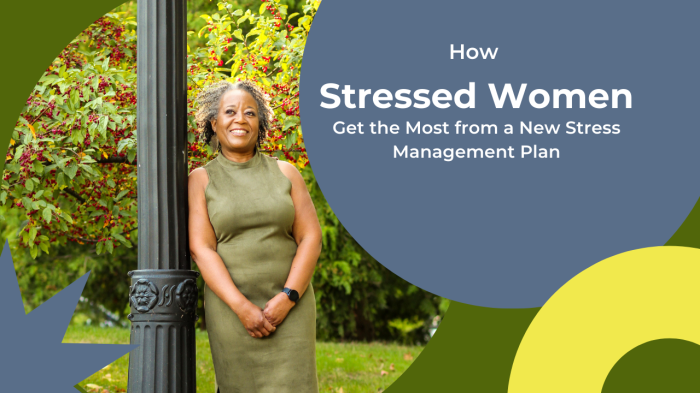
Stress management for women is crucial given the unique pressures they face in various life stages. This guide explores the specific stressors affecting women, from societal expectations to workplace challenges and the impact of significant life events like motherhood. We’ll delve into practical, evidence-based techniques for managing stress, anxiety, and depression, emphasizing self-care, resilience-building, and the importance of seeking professional support when needed.
This comprehensive approach aims to empower women with the knowledge and tools to navigate life’s complexities and prioritize their mental well-being.
The information presented here covers a wide range of topics designed to provide a holistic understanding of stress management tailored to women’s experiences. We will examine the unique stressors faced by women across different age groups, exploring how societal pressures and gender roles contribute to their mental health challenges. Furthermore, we’ll offer practical strategies for managing stress and anxiety, along with resources for addressing depression and building a strong support network.
The focus will remain on empowering women to take control of their mental health and cultivate a life of balance and well-being.
Depression Support Resources and Self-Help Strategies
Depression is a serious mood disorder that can significantly impact a woman’s life. It’s crucial to understand that while stress and depression share some overlapping symptoms, they are distinct conditions requiring different approaches to management. Recognizing the signs and symptoms of depression and accessing appropriate support are vital steps toward recovery.
Signs and Symptoms of Depression in Women
Depression in women can manifest differently than in men, often presenting with a complex interplay of physical, emotional, and cognitive symptoms. While stress may involve temporary irritability, anxiety, and difficulty sleeping, depression involves a persistent and pervasive low mood that significantly impacts daily functioning. Women may experience persistent sadness, loss of interest in activities once enjoyed (anhedonia), changes in appetite or sleep patterns (either increased or decreased), fatigue, feelings of worthlessness or excessive guilt, difficulty concentrating, and recurrent thoughts of death or suicide.
Physical symptoms like chronic pain, headaches, or digestive problems can also be present. It is important to note that the intensity and combination of these symptoms vary greatly among individuals. A persistent pattern of these symptoms, lasting at least two weeks, warrants professional evaluation.
Reputable Organizations Offering Depression Support
Several reputable organizations provide invaluable support and resources for women experiencing depression. These organizations offer a range of services, including helplines, online resources, support groups, and referrals to mental health professionals.
Three examples include:
- The National Institute of Mental Health (NIMH): The NIMH offers comprehensive information on depression, including its causes, symptoms, and treatment options. Their website provides access to research findings, treatment guidelines, and a directory of mental health professionals.
- The Depression and Bipolar Support Alliance (DBSA): DBSA offers peer-to-peer support groups, educational materials, and advocacy for individuals and families affected by mood disorders. They provide a safe and understanding environment where women can connect with others facing similar challenges.
- The National Alliance on Mental Illness (NAMI): NAMI offers a wide array of resources and support programs, including support groups, educational workshops, and advocacy efforts. They provide valuable information and resources for individuals and families affected by mental illness, including depression.
Building a Strong Support Network
A strong support network plays a crucial role in managing depressive symptoms. Connecting with others who understand and empathize can provide a sense of belonging, reduce feelings of isolation, and offer practical and emotional support.
Strategies for building this network include:
- Connecting with friends and family: Openly communicating about your feelings and seeking support from trusted loved ones can be incredibly helpful.
- Joining support groups: Participating in support groups, either in-person or online, provides a safe space to share experiences and connect with others who understand.
- Seeking professional help: Therapists and counselors can provide guidance, coping strategies, and support throughout the recovery process.
Therapeutic Approaches for Depression
Different therapeutic approaches can effectively treat depression, each with its strengths and limitations. The best approach often depends on individual needs and preferences.
| Therapeutic Approach | Description | Strengths | Limitations |
|---|---|---|---|
| Cognitive Behavioral Therapy (CBT) | Focuses on identifying and changing negative thought patterns and behaviors. | Effective for mild to moderate depression; teaches coping skills. | Requires active participation; may not be suitable for severe depression. |
| Dialectical Behavior Therapy (DBT) | Combines CBT with mindfulness techniques to manage intense emotions and improve interpersonal skills. | Helpful for individuals with emotional dysregulation; addresses self-harm behaviors. | Requires commitment to intensive therapy; may not be readily available. |
| Medication (Antidepressants) | Pharmacological interventions that aim to restore neurotransmitter balance in the brain. | Can significantly alleviate depressive symptoms; effective for moderate to severe depression. | Can have side effects; requires ongoing monitoring by a physician. |
Mindfulness Practices for Stress Reduction

Mindfulness, the practice of paying attention to the present moment without judgment, offers women a powerful tool to manage stress and its associated emotional responses. By cultivating awareness of thoughts, feelings, and bodily sensations, women can develop a greater sense of control and reduce the intensity of their stress reactions. This approach fosters emotional regulation, allowing for a more balanced response to challenging situations.Mindfulness techniques help women manage stress-related emotional responses by shifting their focus from anxious thoughts about the future or regrets about the past to the present moment.
This shift interrupts the cycle of negative thinking and reduces the physiological effects of stress, such as increased heart rate and muscle tension. The practice encourages a sense of calm and acceptance, enabling women to respond to stressful events with greater resilience and emotional stability.
Guided Meditation for Stress Reduction
A guided meditation exercise can be a valuable tool for reducing stress. This step-by-step approach offers a structured way to cultivate mindfulness and promote relaxation.
- Find a quiet space where you can sit or lie down comfortably. Minimize distractions as much as possible.
- Close your eyes gently. Bring your attention to your breath, noticing the sensation of the air entering and leaving your nostrils or the rise and fall of your abdomen.
- As you focus on your breath, acknowledge any thoughts or feelings that arise without judgment. Simply observe them as they pass, like clouds drifting across the sky.
- If your mind wanders, gently redirect your attention back to your breath. This is a normal part of the process; there’s no need to be critical of yourself.
- Continue this practice for 5-10 minutes, gradually increasing the duration as you become more comfortable.
- When you’re ready, slowly bring your awareness back to your surroundings. Take a few deep breaths and gently open your eyes.
Integrating Mindfulness into Daily Routines
Incorporating mindfulness into daily life requires conscious effort and consistent practice. Even small, regular mindfulness exercises can significantly impact stress levels over time. This integration fosters a sense of presence and reduces reactivity to daily stressors.
- Mindful breathing: Pause throughout the day to take several deep, conscious breaths. This simple act can help calm your nervous system.
- Mindful walking: Pay attention to the sensations of your feet on the ground, the movement of your body, and the surrounding environment.
- Mindful eating: Savor each bite of your food, noticing the textures, flavors, and smells.
- Body scan meditation: Bring awareness to different parts of your body, noticing any sensations without judgment.
Creating a Calming Environment for Mindfulness
A dedicated space for mindfulness practice can greatly enhance the experience. This environment should be designed to promote relaxation and reduce distractions.Imagine a room bathed in soft, natural light, perhaps filtered through sheer curtains. The air is subtly scented with lavender or chamomile, creating a sense of calm and tranquility. Soft, calming music plays quietly in the background, perhaps instrumental nature sounds or classical pieces.
The room is minimally decorated, with comfortable seating – a plush cushion or a comfortable chair – placed near a window overlooking a peaceful scene, like a garden or a quiet street. A small, uncluttered table holds a candle, a small bowl of smooth stones, and a journal for reflections. The overall atmosphere is one of serenity and peace, designed to invite relaxation and introspection.
The color palette is muted and calming, perhaps incorporating shades of blue, green, or lavender. The temperature is comfortably cool, avoiding any feelings of being overheated or chilled. The overall effect is a sanctuary for the mind and body, a place where stress can melt away.
Sleep and Mental Health in Women
Sleep and mental well-being are intricately linked, particularly for women. Hormonal fluctuations throughout the menstrual cycle, pregnancy, and menopause significantly impact sleep patterns and can exacerbate existing mental health conditions or trigger new ones. Understanding this connection is crucial for effective self-care and managing mental health challenges.The quality and quantity of sleep profoundly influence a woman’s mental health.
Sufficient sleep allows the brain to consolidate memories, regulate emotions, and restore itself, contributing to improved mood, cognitive function, and resilience to stress. Conversely, sleep deprivation significantly compromises these processes, increasing vulnerability to stress, anxiety, and depression.
Impact of Sleep Deprivation on Mental Well-being
Sleep deprivation, even for a few nights, can negatively impact mood, increasing irritability, difficulty concentrating, and emotional reactivity. Chronic sleep loss can significantly worsen symptoms of anxiety and depression, making it harder to manage daily life and increasing the risk of relapse in those with pre-existing conditions. For example, studies have shown a correlation between insomnia and increased risk of developing postpartum depression.
The body’s stress response system is also affected, leading to elevated cortisol levels and further exacerbating feelings of anxiety and stress. This cyclical relationship between sleep deprivation and mental health challenges necessitates a proactive approach to improving sleep hygiene.
Practical Tips for Improving Sleep Hygiene
Establishing good sleep hygiene involves creating a consistent sleep-wake schedule, optimizing the sleep environment, and adopting healthy lifestyle habits. A regular sleep schedule, even on weekends, helps regulate the body’s natural sleep-wake cycle. Creating a relaxing bedtime routine, such as taking a warm bath or reading a book, can signal to the brain that it’s time to wind down.
The bedroom should be dark, quiet, and cool, promoting optimal sleep conditions. Avoiding caffeine and alcohol before bed is crucial, as these substances can interfere with sleep. Regular physical activity is beneficial but should be avoided close to bedtime. Furthermore, mindful practices like meditation or deep breathing exercises can help calm the mind and prepare for sleep.
Sleep Disorders and Mental Health Challenges
Several sleep disorders, such as insomnia, sleep apnea, and restless legs syndrome, can significantly worsen existing mental health conditions or trigger new ones. Insomnia, characterized by difficulty falling asleep or staying asleep, is frequently associated with anxiety and depression. Untreated sleep apnea, a condition where breathing repeatedly stops and starts during sleep, can lead to daytime fatigue, irritability, and cognitive impairment, increasing the risk of developing depression and anxiety.
Restless legs syndrome, causing an irresistible urge to move the legs, disrupts sleep and can contribute to anxiety and irritability. Addressing these sleep disorders through appropriate medical intervention, such as cognitive behavioral therapy for insomnia (CBT-I) or continuous positive airway pressure (CPAP) therapy for sleep apnea, is crucial for improving both sleep quality and mental well-being. Seeking professional help from a sleep specialist or mental health professional is vital in managing these interconnected challenges.
Workplace Mental Health for Women: Stress Management For Women
The workplace can present unique challenges to women’s mental health, often intersecting with societal expectations and gender-based biases. Understanding these stressors and implementing supportive strategies is crucial for fostering a healthier and more productive work environment. This section will explore common workplace stressors impacting women, strategies for building a supportive workplace culture, available resources, and actionable steps employers can take to prioritize the mental well-being of their female employees.
Common Workplace Stressors Affecting Women’s Mental Health
Women frequently experience higher rates of stress and burnout in the workplace compared to their male counterparts. This disparity is often linked to factors such as gender pay gaps, unequal workload distribution, lack of opportunities for advancement, and pervasive gender stereotypes. Additional stressors include experiencing discrimination, harassment, or microaggressions, juggling work and family responsibilities (often disproportionately falling on women), and facing pressure to conform to inflexible work structures.
These factors can significantly contribute to anxiety, depression, and other mental health challenges.
Strategies for Creating a Supportive and Inclusive Workplace Culture
Cultivating a supportive and inclusive workplace culture is paramount for promoting women’s mental well-being. This involves implementing policies and practices that actively address gender inequality and promote work-life balance. Examples include providing generous parental leave policies, flexible work arrangements, and on-site childcare facilities. Equitable compensation and promotion practices are essential, alongside robust training programs to address unconscious bias and prevent harassment.
Open communication channels, where employees feel comfortable reporting concerns without fear of retaliation, are also vital. Encouraging mentorship and sponsorship programs can provide additional support and guidance for women navigating their careers.
Resources and Support Systems Available to Women in the Workplace
Many resources and support systems are available to help women address mental health concerns in the workplace. Employee Assistance Programs (EAPs) often provide confidential counseling and support services. Mental health awareness training for managers and employees can increase understanding and reduce stigma. Access to mental health professionals, through telehealth or in-person appointments, can facilitate timely intervention and treatment.
Furthermore, the establishment of employee resource groups (ERGs) specifically for women can provide a sense of community and support. These groups can serve as platforms for sharing experiences, providing mutual support, and advocating for workplace improvements.
Checklist of Actions Employers Can Take to Promote Better Mental Health for Female Employees
To effectively promote the mental health of their female employees, employers should consider the following actions:
- Conduct regular surveys and feedback sessions to assess employee well-being and identify areas for improvement.
- Implement flexible work arrangements, such as remote work options or compressed workweeks.
- Provide generous parental leave and family-friendly policies.
- Offer comprehensive mental health benefits, including access to counseling and therapy.
- Invest in training programs to address unconscious bias and promote inclusivity.
- Establish clear policies and procedures for addressing harassment and discrimination.
- Create a culture of open communication and support, where employees feel comfortable seeking help.
- Promote work-life balance initiatives, such as wellness programs and stress management resources.
- Regularly review and update policies to ensure they are equitable and supportive of women’s needs.
- Partner with local organizations and mental health professionals to provide additional resources and support.
Overcoming Addictions and Substance Abuse
Substance abuse significantly impacts women’s lives, often intertwining with stress, mental health disorders, and societal pressures. Understanding the prevalence of addiction among women, available resources, and the recovery process is crucial for promoting well-being and fostering supportive communities. This section will explore these critical aspects.
Prevalence of Substance Abuse Among Women and its Correlation with Stress and Mental Health Issues
Women experience substance abuse at rates comparable to men, although patterns of use and the underlying factors may differ. Stressful life events, such as trauma, relationship difficulties, or financial instability, can increase the risk of developing substance use disorders. Furthermore, pre-existing mental health conditions, such as depression or anxiety, often co-occur with addiction, creating a complex interplay of challenges.
For example, a woman experiencing chronic stress from workplace pressures might turn to alcohol as a coping mechanism, leading to alcohol dependence and exacerbating her existing anxiety. This highlights the critical need for integrated treatment approaches that address both mental health and substance abuse issues simultaneously.
Resources and Support Systems Available to Women Struggling with Addiction
A comprehensive network of resources exists to support women in their recovery journey. These include:* Inpatient Treatment Centers: These facilities provide intensive, 24-hour care in a structured environment, allowing for comprehensive medical and therapeutic intervention.
Outpatient Treatment Programs
Outpatient programs offer flexibility, allowing individuals to continue their daily routines while attending therapy sessions and support groups.
Support Groups
Groups like Alcoholics Anonymous (AA) and Narcotics Anonymous (NA) provide peer support and a sense of community, crucial for long-term recovery.
Therapy and Counseling
Individual and group therapy can help women address underlying mental health issues, trauma, and develop coping mechanisms.
Medication-Assisted Treatment (MAT)
MAT combines medication with behavioral therapies to reduce cravings and withdrawal symptoms, making recovery more manageable.
Stages of Recovery and the Importance of Seeking Professional Help
Recovery from addiction is a process, not a single event, typically characterized by several stages:* Precontemplation: The individual may not recognize or acknowledge their addiction.
Contemplation
The individual begins to consider the possibility of seeking help.
Preparation
The individual starts making plans to change their behavior.
Action
The individual actively engages in treatment and makes lifestyle changes.
Maintenance
The individual works to sustain their sobriety and prevent relapse.
Relapse
A return to substance use; this is a common part of recovery, and it doesn’t signal failure.Seeking professional help is crucial at any stage of the recovery process. Early intervention can prevent the escalation of addiction and its associated health problems. A therapist or addiction specialist can provide guidance, develop a personalized treatment plan, and offer support throughout the journey.
Comparison of Addiction Treatment Programs
| Treatment Type | Level of Intensity | Setting | Advantages |
|---|---|---|---|
| Inpatient | High | Residential facility | Intensive support, 24/7 medical care, removal from triggering environments |
| Outpatient | Moderate | Clinic or therapist’s office | Flexibility, allows for continued work/family responsibilities |
| Support Groups (e.g., AA, NA) | Variable | Community centers, churches, online | Peer support, shared experiences, accountability |
| Medication-Assisted Treatment (MAT) | Variable | Clinic or doctor’s office | Reduces cravings and withdrawal symptoms, improves treatment adherence |
Personal Growth and Self-Care Practices
Prioritizing self-care is not selfish; it’s essential for maintaining both physical and mental well-being. It acts as a crucial preventative measure against the overwhelming effects of stress and the development of more serious mental health challenges. By proactively nurturing ourselves, we build resilience and equip ourselves to navigate life’s inevitable stressors more effectively. Regular self-care practices contribute to a more balanced and fulfilling life, reducing the risk of burnout and improving overall quality of life.
The Importance of Self-Care as a Preventative Measure
Self-care acts as a buffer against the negative impacts of stress. Chronic stress weakens the immune system, increases the risk of various physical ailments, and significantly contributes to mental health issues like anxiety and depression. Engaging in regular self-care activities helps regulate stress hormones, promotes relaxation, and improves mood. This proactive approach fosters emotional resilience, allowing individuals to better cope with challenges and bounce back from setbacks more readily.
Prioritizing self-care is an investment in long-term mental and physical health.
Examples of Self-Care Activities
Self-care encompasses a broad range of activities that nourish different aspects of our well-being. Physical self-care focuses on activities that maintain or improve physical health. Examples include regular exercise (yoga, walking, swimming), healthy eating habits (incorporating fruits, vegetables, and whole grains), and ensuring adequate sleep (7-9 hours per night). Emotional self-care involves activities that nurture emotional health and resilience.
This might include journaling, spending time in nature, engaging in hobbies, practicing gratitude, or seeking support from friends and family. Mental self-care focuses on activities that stimulate and challenge the mind, promoting cognitive function and reducing stress. Examples include reading, learning new skills, engaging in creative pursuits (painting, writing, music), and practicing mindfulness or meditation.
Strategies for Setting Boundaries and Prioritizing Self-Care
Integrating self-care into a busy schedule requires conscious effort and strategic planning. Setting boundaries is paramount. This involves learning to say “no” to commitments that drain energy or compromise well-being. Time management techniques, such as prioritizing tasks and scheduling self-care activities like appointments, can be highly effective. Breaking down larger self-care goals into smaller, manageable steps can make them less daunting and increase the likelihood of adherence.
For example, instead of aiming for an hour-long yoga session, start with 15 minutes daily. It’s also important to be flexible and adapt the self-care plan as needed, acknowledging that life’s demands may sometimes require adjustments.
Personalized Self-Care Plan Template, Stress management for women
A personalized self-care plan should be tailored to individual needs and preferences. The following template provides a framework for creating one:
| Category | Specific Activity | Frequency | Time Allotted | Notes/Modifications |
|---|---|---|---|---|
| Physical Self-Care | 30-minute walk | Daily | 7:00 AM | Can be adjusted based on weather or schedule |
| Emotional Self-Care | Journaling | Weekly (3 times) | 15 minutes each session | Focus on positive experiences and self-reflection |
| Mental Self-Care | Reading | Daily (before bed) | 30 minutes | Choose relaxing and engaging material |
| Social Self-Care | Dinner with friends | Bi-weekly | 2 hours | Connect with loved ones |
This template can be adapted to include other activities such as meditation, spending time in nature, pursuing hobbies, or engaging in creative activities. The key is to be consistent and adjust the plan as needed to maintain a sustainable and effective self-care routine.
Ultimately, effective stress management for women requires a multifaceted approach. By understanding the unique challenges women face, implementing practical stress-reduction techniques, building strong support systems, and prioritizing self-care, women can cultivate resilience and navigate life’s stressors with greater ease. Remember that seeking professional help is a sign of strength, not weakness, and there are numerous resources available to provide support and guidance on this journey toward improved mental well-being.
Prioritizing your mental health is an investment in a happier, healthier, and more fulfilling life.
Common Queries
What are some quick stress-relieving techniques I can use throughout the day?
Try deep breathing exercises, short mindfulness meditations, or a quick walk outdoors. Even a few minutes can make a difference.
How do I know if I need professional help for stress or anxiety?
If stress significantly impacts your daily life, relationships, or work, and self-help strategies aren’t enough, consider seeking professional guidance from a therapist or counselor.
What are the signs of burnout, and how can I prevent it?
Burnout is characterized by emotional exhaustion, cynicism, and reduced professional efficacy. Preventing it involves setting boundaries, prioritizing self-care, and managing workload effectively.
Are there specific medications that help with stress and anxiety?
Several medications can help manage stress and anxiety symptoms, but they should only be used under the guidance of a healthcare professional. They may prescribe antidepressants, anxiolytics, or other medications depending on your specific needs.