Role of Diet in Cancer Prevention
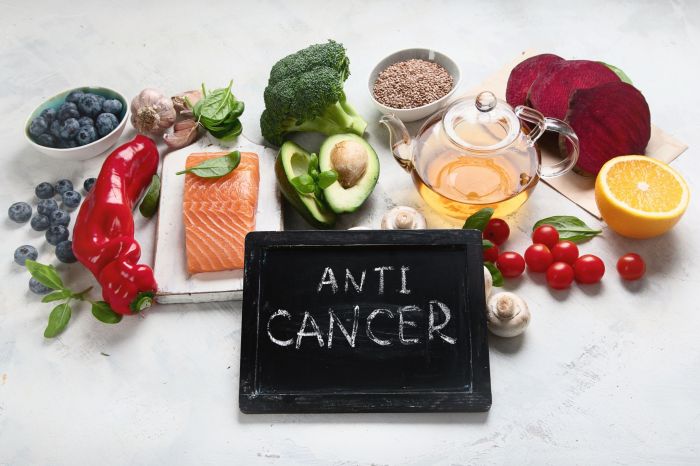
Role of diet in cancer prevention is a complex yet crucial area of research. Understanding the intricate relationship between what we eat and our cancer risk is paramount for maintaining good health. A historical perspective reveals a growing body of evidence linking specific dietary habits to both increased and decreased cancer incidence, highlighting the significant impact of nutrition on this life-threatening disease.
This exploration delves into the science behind these connections, offering practical strategies for informed dietary choices.
From the protective effects of phytonutrients in fruits and vegetables to the detrimental impacts of processed meats and sugary drinks, we will examine various dietary factors influencing cancer risk. We’ll explore the importance of balanced nutrition, including whole grains, healthy fats, and lean proteins, while emphasizing the role of mindful eating and portion control. The discussion will also touch upon the crucial interplay between mental wellbeing and dietary choices, highlighting the holistic approach necessary for effective cancer prevention.
The Link Between Diet and Cancer Risk
The relationship between diet and cancer is intricate and multifaceted, not a simple cause-and-effect scenario. While no single food guarantees cancer prevention, consistent dietary patterns significantly influence an individual’s risk. Certain nutrients act as protective agents, while others can contribute to cellular damage and increase susceptibility to cancerous growths. This complex interplay involves genetic predisposition, environmental factors, and lifestyle choices, making it crucial to understand the nuances of this connection.Research into the dietary influences on cancer risk has evolved significantly over time.
Early studies often focused on single nutrients or food groups, often producing conflicting results. However, more recent research utilizes large-scale epidemiological studies and advanced molecular techniques to investigate the complex interactions between dietary components and cancer development at a cellular level. This shift towards a more holistic understanding considers the overall dietary pattern rather than isolating individual components. For example, the Mediterranean diet, rich in fruits, vegetables, and olive oil, has consistently shown a correlation with reduced cancer risk across various populations.
Specific Cancers Influenced by Diet
Several cancers have demonstrated a strong association with dietary habits. Colorectal cancer, for instance, is linked to diets high in red and processed meats, while a diet rich in fiber and fruits and vegetables is associated with a lower risk. Similarly, studies have indicated a correlation between high intakes of processed foods and a greater risk of breast cancer.
Conversely, diets rich in cruciferous vegetables (like broccoli and cauliflower) are associated with a reduced risk of several cancers, including lung and prostate cancer. These correlations highlight the importance of considering the overall composition of one’s diet rather than focusing solely on individual foods. The protective effects of antioxidants, vitamins, and minerals found in a balanced diet contribute to the body’s ability to combat cellular damage, which is a crucial factor in cancer prevention.
Dietary Factors that Reduce Cancer Risk
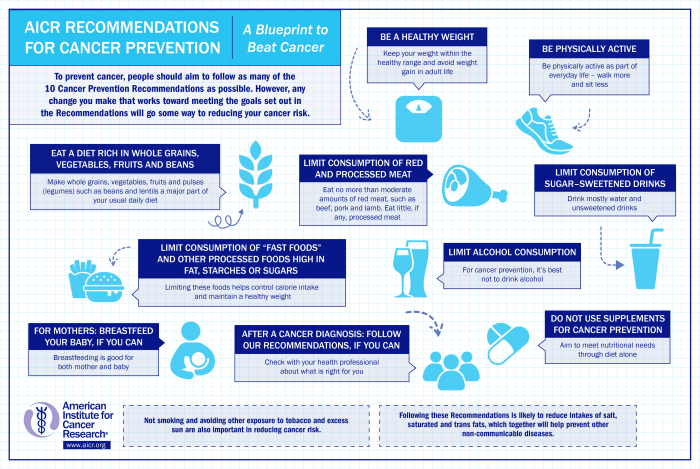
A balanced diet plays a crucial role in cancer prevention. While no single food guarantees protection, incorporating specific nutrient-rich foods into your daily intake can significantly reduce your risk. This section explores dietary components linked to decreased cancer incidence and explains their mechanisms of action.
Fruits and Vegetables: Phytonutrients and Cancer Prevention
Fruits and vegetables are rich sources of phytonutrients, bioactive compounds that contribute to their vibrant colors and offer numerous health benefits, including cancer prevention. These phytonutrients act through various mechanisms, such as neutralizing free radicals, inhibiting cancer cell growth, and boosting the immune system. For example, carotenoids (found in carrots, sweet potatoes, and spinach) act as antioxidants, while lycopene (found in tomatoes) has been linked to reduced prostate cancer risk.
Cruciferous vegetables like broccoli, cauliflower, and Brussels sprouts contain glucosinolates, which break down into compounds that may help protect against several cancers. The varied phytonutrients in a diverse range of fruits and vegetables provide a broad spectrum of protective effects.
Whole Grains, Legumes, and Nuts: The Importance of Fiber
Whole grains, legumes (beans, lentils, peas), and nuts are excellent sources of dietary fiber. Fiber promotes healthy digestion, helps regulate blood sugar levels, and can contribute to cancer prevention. The fiber in these foods binds to carcinogens in the digestive tract, preventing their absorption and reducing their potential to damage cells. Furthermore, the complex carbohydrates in whole grains provide sustained energy, reducing reliance on processed foods which are often linked to increased cancer risk.
The healthy fats and other nutrients found in nuts also contribute to overall health and may play a role in reducing inflammation, a factor in cancer development.
Healthy Fats: Omega-3 Fatty Acids and Inflammation
Omega-3 fatty acids, found in fatty fish (salmon, tuna, mackerel), flaxseeds, and chia seeds, are essential fatty acids with anti-inflammatory properties. Chronic inflammation is linked to the development of various cancers. By reducing inflammation, omega-3 fatty acids may help lower cancer risk. It’s important to note that while healthy fats are beneficial, excessive consumption of saturated and trans fats should be avoided as they can promote inflammation and increase cancer risk.
Protein Sources and Cancer Risk
Different protein sources have varying effects on cancer risk. Plant-based protein sources, such as those found in legumes, tofu, and nuts, are generally associated with a lower risk of certain cancers compared to red and processed meats. Red meat consumption has been linked to increased risk of colorectal and other cancers, potentially due to its high saturated fat content and formation of carcinogenic compounds during cooking.
Lean poultry and fish are considered healthier alternatives to red meat, offering a good source of protein with lower cancer risk.
Dietary Recommendations for Cancer Prevention
| Food Group | Examples | Benefits | Recommended Servings |
|---|---|---|---|
| Fruits | Berries, citrus fruits, apples, bananas | Rich in vitamins, minerals, and antioxidants | 5-9 servings per day |
| Vegetables | Dark leafy greens, cruciferous vegetables, carrots, tomatoes | Provide various phytonutrients and fiber | 5-13 servings per day |
| Whole Grains | Brown rice, whole wheat bread, oats | Good source of fiber and complex carbohydrates | 6-8 servings per day |
| Lean Protein | Fish, poultry, beans, lentils, nuts | Essential for building and repairing tissues | Varying amounts based on individual needs and activity levels |
Dietary Factors that Increase Cancer Risk
While a healthy diet plays a crucial role in cancer prevention, certain dietary habits significantly elevate the risk of developing various cancers. Understanding these factors is vital for making informed choices that promote long-term health. This section will explore specific dietary components linked to increased cancer risk and the underlying mechanisms involved.
Processed Meats and Colorectal Cancer
Processed meats, such as bacon, sausage, hot dogs, and deli meats, are strongly linked to an increased risk of colorectal cancer. The World Health Organization (WHO) classifies processed meat as a Group 1 carcinogen, meaning there is sufficient evidence to link its consumption to cancer development. The high levels of sodium, nitrates, and nitrites in processed meats contribute to the formation of carcinogenic compounds during digestion.
These compounds damage DNA and can lead to the uncontrolled cell growth characteristic of cancer. Studies have consistently shown a dose-response relationship: the more processed meat consumed, the higher the risk of colorectal cancer.
Excessive Red Meat Consumption and Cancer Development
While not as strongly linked as processed meats, excessive consumption of red meat (beef, pork, lamb) is also associated with an increased risk of several cancers, including colorectal, pancreatic, and prostate cancers. The exact mechanisms are still under investigation, but factors like the formation of heterocyclic amines (HCAs) during high-temperature cooking (grilling, frying) and advanced glycation end products (AGEs) are implicated.
HCAs and AGEs are known mutagens, meaning they can damage DNA and contribute to cancer development. Furthermore, high intakes of red meat are often associated with higher intakes of saturated fat, which can also contribute to inflammation and increase cancer risk.
Sugary Drinks and Refined Carbohydrates and Cancer Risk
The consumption of sugary drinks and refined carbohydrates, such as white bread, pastries, and sugary cereals, is linked to an increased risk of several cancers. These foods lead to spikes in blood sugar levels, promoting inflammation and insulin resistance. Chronic inflammation and insulin resistance are known to create an environment conducive to cancer cell growth and proliferation. Furthermore, sugary drinks provide empty calories, contributing to weight gain and obesity, which itself is a significant risk factor for many cancers.
Obesity and Cancer: Underlying Mechanisms
Obesity is a major risk factor for many types of cancer, including breast, colorectal, endometrial, and kidney cancers. The link between obesity and cancer is complex and multifactorial. Excess body fat leads to chronic low-grade inflammation, hormonal imbalances, and changes in insulin sensitivity. These factors create a microenvironment that supports cancer cell growth and survival. Adipose tissue (body fat) also produces hormones and other signaling molecules that can promote cancer development.
Furthermore, obesity can alter the immune system’s ability to effectively fight off cancerous cells.
Dietary Habits to Avoid for Cancer Prevention
It is crucial to adopt dietary habits that minimize exposure to cancer-promoting agents. The following list summarizes key dietary factors to avoid:
- Regular consumption of processed meats.
- Excessive consumption of red meat.
- High intake of sugary drinks.
- Frequent consumption of refined carbohydrates.
- Diets high in saturated and trans fats.
Nutritional Strategies for Cancer Prevention
Adopting a diet rich in fruits, vegetables, whole grains, and lean protein, while limiting processed foods, red meat, and sugary drinks, is a cornerstone of cancer prevention. This section Artikels practical strategies to implement these dietary changes and maintain a healthy eating pattern.
A Sample Weekly Meal Plan Incorporating Cancer-Protective Foods, Role of diet in cancer prevention
A well-planned weekly meal plan can significantly contribute to cancer prevention. This sample plan emphasizes variety and includes foods rich in antioxidants, fiber, and other protective nutrients. Remember to adjust portion sizes to meet your individual caloric needs.
| Day | Breakfast | Lunch | Dinner |
|---|---|---|---|
| Monday | Oatmeal with berries and nuts | Salad with grilled chicken or fish, and quinoa | Baked salmon with roasted vegetables (broccoli, carrots, peppers) |
| Tuesday | Greek yogurt with fruit and a sprinkle of granola | Lentil soup with whole-wheat bread | Chicken stir-fry with brown rice and a variety of colorful vegetables |
| Wednesday | Scrambled eggs with spinach and whole-wheat toast | Leftover chicken stir-fry | Vegetarian chili with cornbread |
| Thursday | Smoothie with fruits, vegetables, and yogurt | Tuna salad sandwich on whole-wheat bread with a side salad | Lean ground beef with sweet potato and green beans |
| Friday | Whole-wheat pancakes with fruit | Leftover vegetarian chili | Pizza with whole-wheat crust, lots of vegetables, and lean protein |
| Saturday | Breakfast burrito with eggs, beans, and vegetables | Salad with grilled shrimp and avocado | Pasta with marinara sauce and vegetables |
| Sunday | Omelet with mushrooms, peppers, and onions | Leftover pasta | Roast chicken with roasted potatoes and asparagus |
Mindful Eating and Portion Control Techniques
Mindful eating involves paying attention to your hunger and fullness cues, savoring your food, and eating without distractions. Portion control helps prevent overeating.Practicing mindful eating involves slowing down while eating, chewing thoroughly, and paying attention to the taste, texture, and smell of your food. Avoid distractions like television or phones. Using smaller plates and bowls can also aid in portion control.
Regularly weighing or measuring food portions can help establish a baseline understanding of appropriate serving sizes.
Strategies for Increasing Fruit and Vegetable Intake
Increasing fruit and vegetable consumption can be achieved through various strategies. Adding extra vegetables to your usual meals, incorporating fruits into snacks, and keeping a variety of fresh produce readily available at home are all effective methods.Adding vegetables to your omelets, soups, and stir-fries is an easy way to increase intake. Pre-cut vegetables can reduce prep time. Keeping a bowl of fruit on the counter as a readily available snack encourages consumption.
Making smoothies with fruits and vegetables is another convenient option.
Reading Food Labels and Making Informed Choices
Understanding food labels empowers consumers to make healthier choices. Pay attention to serving sizes, calories, total fat, saturated fat, sodium, sugars, and fiber content. Choose foods with lower levels of unhealthy components and higher levels of beneficial nutrients.Look for products with low sodium, added sugars, and saturated fats. Compare similar products to find the healthiest option. Check the ingredient list for added sugars or unhealthy fats.
Prioritize whole, unprocessed foods whenever possible.
A Healthy Plate Model for Cancer Prevention
Imagine a plate divided into three sections. One half should be filled with non-starchy vegetables (e.g., broccoli, spinach, peppers), a quarter with whole grains (e.g., brown rice, quinoa, whole-wheat bread), and a quarter with lean protein (e.g., fish, chicken, beans, lentils). A small amount of healthy fats (e.g., avocado, nuts, olive oil) can be incorporated. This model visually represents a balanced meal promoting cancer prevention.
The colors on the plate should be vibrant and diverse, reflecting the wide array of fruits and vegetables included.
The Role of Micronutrients in Cancer Prevention
Micronutrients, including vitamins and minerals, play a crucial role in various bodily functions, and their deficiency or inadequacy can increase the risk of developing various diseases, including cancer. A balanced diet rich in these essential nutrients is vital for maintaining optimal health and bolstering the body’s natural defenses against cancer. This section will explore the specific contributions of several key micronutrients to cancer prevention.
Vitamins and Cancer Prevention
Several vitamins exhibit significant protective effects against cancer development. These vitamins act through various mechanisms, often involving their roles as antioxidants or cofactors in essential metabolic pathways. Their deficiency can impair these protective functions, increasing vulnerability.
Vitamin A’s Role in Cancer Prevention
Vitamin A, particularly its active form retinoic acid, is involved in cell growth and differentiation. Studies suggest that adequate vitamin A intake may reduce the risk of certain cancers, including lung and oral cancers. Retinoic acid’s ability to regulate gene expression is a key factor in its anticancer properties. A deficiency, however, can disrupt these processes, potentially leading to uncontrolled cell growth.
Vitamin C’s Role in Cancer Prevention
Vitamin C, a potent antioxidant, scavenges free radicals, reducing oxidative stress implicated in cancer development. It also plays a role in collagen synthesis and immune function, both important in preventing tumor growth. High intakes of vitamin C have been associated with reduced risks of several cancers, including stomach and colorectal cancers.
Vitamin D’s Role in Cancer Prevention
Vitamin D’s role extends beyond bone health. It influences cell growth and differentiation, and research suggests a link between adequate vitamin D levels and reduced risks of several cancers, including colon, breast, and prostate cancers. The exact mechanisms are still being investigated, but its impact on cell cycle regulation is a key area of focus.
Vitamin E’s Role in Cancer Prevention
Vitamin E, another potent antioxidant, protects cells from damage caused by free radicals. Its antioxidant properties contribute to the prevention of oxidative stress-induced DNA damage, a crucial step in cancer initiation. Studies have indicated a possible association between higher vitamin E intake and reduced risks of certain cancers.
Minerals and Cancer Prevention
Minerals also play critical roles in cancer prevention, often acting as cofactors in enzymes involved in detoxification and DNA repair. Their deficiency can impair these vital processes.
Selenium’s Role in Cancer Prevention
Selenium is a crucial component of glutathione peroxidase, an antioxidant enzyme that protects cells from oxidative damage. Studies suggest a link between adequate selenium intake and reduced risks of several cancers, including prostate, lung, and colorectal cancers. Its role in protecting against DNA damage is a significant factor in its anticancer properties.
Zinc’s Role in Cancer Prevention
Zinc is essential for immune function and DNA repair. Its deficiency can weaken the immune system, making individuals more susceptible to cancer. Furthermore, impaired DNA repair increases the risk of mutations that can lead to cancer. Adequate zinc intake supports both immune surveillance and DNA repair mechanisms.
The Role of Antioxidants in Cancer Prevention
Antioxidants, including vitamins C and E and minerals like selenium, neutralize free radicals, highly reactive molecules that can damage DNA, proteins, and lipids. This damage can lead to mutations and ultimately cancer. By neutralizing free radicals, antioxidants help to reduce oxidative stress and protect cells from damage. The body’s natural antioxidant defense system is complemented and enhanced by dietary intake of these vital micronutrients.
Comparative Effects of Micronutrients on Different Cancers
The effects of different micronutrients vary depending on the type of cancer. For instance, while vitamin D may show a protective effect against colon cancer, its role in other cancers may be less pronounced or even unclear. Similarly, selenium’s protective effects are more strongly linked to some cancers than others. Research continues to unravel the complex interplay between specific micronutrients and different cancer types, highlighting the need for a balanced diet rich in a variety of these essential nutrients.
Stress, Anxiety, and Mental Wellbeing in Cancer Prevention and Treatment: Role Of Diet In Cancer Prevention
The connection between mental wellbeing and physical health, particularly in the context of cancer prevention and treatment, is increasingly recognized. Chronic stress and anxiety aren’t just emotionally taxing; they can significantly impact the body’s immune system and overall health, potentially influencing cancer risk and treatment outcomes. Understanding and managing these factors is crucial for a holistic approach to wellbeing.Chronic stress and anxiety are linked to increased cancer risk through several pathways.
Prolonged periods of stress trigger the release of hormones like cortisol, which, while beneficial in short bursts, can suppress the immune system when chronically elevated. A weakened immune system may be less effective at detecting and eliminating pre-cancerous cells. Furthermore, stress can lead to unhealthy coping mechanisms, such as smoking, excessive alcohol consumption, or poor diet, all of which are established risk factors for various cancers.
The impact of stress on sleep quality further exacerbates the issue, as sleep deprivation also compromises immune function.
Stress and Anxiety Management Techniques
Effective stress and anxiety management involves a multifaceted approach. Mindfulness practices, such as meditation and deep breathing exercises, help to cultivate present moment awareness and reduce the rumination associated with anxiety. Relaxation techniques, including progressive muscle relaxation and yoga, help to alleviate physical tension often associated with stress. Cognitive Behavioral Therapy (CBT) offers a structured approach to identifying and modifying negative thought patterns and behaviors that contribute to stress and anxiety.
These techniques can be learned through self-help resources, workshops, or with the guidance of a therapist.
Resources for Depression Support
Depression significantly impacts mental and physical health, often compounding the challenges faced during cancer prevention and treatment. Many resources are available to support individuals struggling with depression. These include helplines, such as the National Suicide Prevention Lifeline (in the US) or equivalent services in other countries, which offer immediate support and crisis intervention. Online platforms, such as mental health apps and support groups, provide a safe space for individuals to connect with others facing similar challenges and access valuable information and resources.
Seeking professional help from a therapist or counselor is crucial for developing personalized strategies for managing depression.
Building Resilience and Coping Mechanisms
Building resilience involves developing the capacity to bounce back from adversity. This can be achieved through various strategies, including cultivating strong social support networks, engaging in regular physical activity, practicing self-compassion, and setting realistic goals. Developing effective coping mechanisms helps individuals manage stressful situations more effectively. These mechanisms might include engaging in enjoyable hobbies, spending time in nature, practicing gratitude, or seeking support from loved ones.
Learning to recognize and manage personal triggers for stress is also crucial in building resilience.
Sleep Hygiene and its Impact on Mental and Physical Health
Adequate sleep is essential for both mental and physical health. Poor sleep hygiene, characterized by irregular sleep schedules, exposure to bright light before bed, and consumption of caffeine or alcohol before sleep, can negatively impact mood, cognitive function, and immune response. Establishing a consistent sleep schedule, creating a relaxing bedtime routine, and optimizing the sleep environment (dark, quiet, cool) are crucial for promoting better sleep quality.
Addressing underlying medical conditions or mental health issues that interfere with sleep is also important.
Workplace Mental Health Initiatives
Workplace mental health initiatives play a crucial role in supporting employee wellbeing. These initiatives can include providing access to employee assistance programs (EAPs), offering stress management workshops, promoting a culture of open communication about mental health, and implementing flexible work arrangements. Creating a supportive and inclusive work environment where employees feel comfortable seeking help is crucial for reducing stigma and promoting mental health.
Employers can also invest in training for managers to recognize and support employees experiencing mental health challenges.
Overcoming Addictions
Addictions to substances like alcohol, nicotine, or drugs can significantly impact mental health and overall wellbeing. Overcoming addiction requires a comprehensive approach that often involves professional help, such as therapy, medication, and support groups. Recognizing the triggers and patterns associated with addictive behaviors is crucial for developing effective coping strategies. Building a strong support system, engaging in healthy activities, and focusing on personal growth are essential components of recovery.
Strategies for Personal Growth and Self-Care
Personal growth and self-care are crucial for enhancing mental wellbeing. Engaging in activities that bring joy and fulfillment, setting personal goals, and nurturing relationships contribute to a sense of purpose and satisfaction. Practicing self-compassion, recognizing personal strengths, and setting healthy boundaries are essential for building self-esteem and resilience. Regular self-reflection can help individuals identify areas for improvement and develop strategies for personal growth.
Ultimately, preventing cancer through diet involves a multifaceted approach encompassing conscious food choices, mindful eating practices, and a focus on overall wellbeing. By understanding the complex interplay between nutrition and cancer risk, individuals can make informed decisions to minimize their risk and promote a healthier lifestyle. Adopting a balanced diet rich in fruits, vegetables, whole grains, and lean protein, while limiting processed foods, red meat, and sugary drinks, forms a strong foundation for cancer prevention.
Remember, consistent healthy habits are key to long-term health and well-being.
Answers to Common Questions
What are some common misconceptions about diet and cancer?
Many believe that a single food or supplement can prevent cancer, which is inaccurate. Cancer prevention requires a holistic approach involving a balanced diet, regular exercise, and stress management.
Is it too late to change my diet if I have a family history of cancer?
No, it’s never too late. While genetic predisposition plays a role, dietary changes can significantly impact your cancer risk, even with a family history. Consult with a healthcare professional or registered dietitian for personalized advice.
Can specific supplements replace a healthy diet for cancer prevention?
No, supplements should not replace a balanced diet. While some micronutrients play a role in cancer prevention, they are most effective when obtained from whole foods as part of a comprehensive healthy eating plan.


