Preventing Type 1 Diabetes A Comprehensive Guide
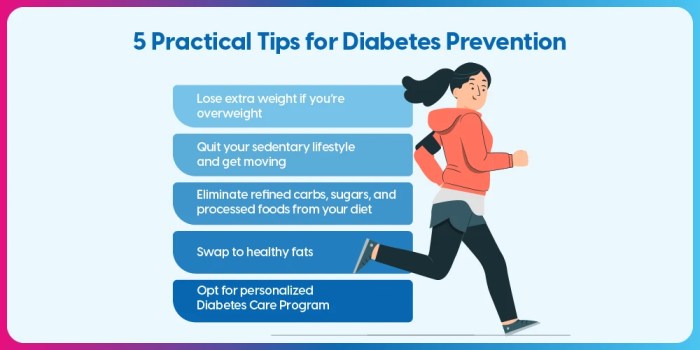
Preventing Type 1 diabetes is a complex undertaking, but current research offers glimmers of hope. This guide explores the autoimmune processes, genetic predispositions, and environmental factors implicated in the development of this chronic condition. We delve into promising prevention strategies, including immune system modulation and lifestyle modifications, highlighting the importance of early detection and intervention. Understanding the disease’s mechanisms and adopting proactive measures are crucial steps towards mitigating risk and improving overall health.
From exploring the latest scientific advancements to offering practical advice on diet, exercise, and stress management, this resource aims to empower individuals and families to navigate the complexities of type 1 diabetes prevention. We examine the role of genetic screening, the impact of lifestyle choices, and the significance of early intervention in potentially slowing or preventing the onset of the disease.
This comprehensive approach emphasizes the importance of a holistic perspective, encompassing physical health, mental well-being, and proactive risk management.
Understanding Type 1 Diabetes
Type 1 diabetes is a chronic autoimmune disease where the body’s immune system mistakenly attacks and destroys the insulin-producing beta cells in the pancreas. This leads to an inability to produce insulin, a hormone crucial for regulating blood sugar levels. Understanding the autoimmune process, genetic predisposition, symptoms, and distinguishing it from type 2 diabetes are vital for effective management and prevention strategies.
The Autoimmune Process in Type 1 Diabetes
The autoimmune process in type 1 diabetes involves a complex interplay of genetic and environmental factors. The body’s immune system, designed to protect against foreign invaders, malfunctions and identifies the beta cells in the pancreas as threats. This leads to an immune response, with T-cells and antibodies attacking and destroying these cells. Over time, this destruction diminishes insulin production, resulting in hyperglycemia (high blood sugar).
The exact triggers that initiate this autoimmune attack remain an area of active research. Environmental factors, such as viral infections or dietary components, are suspected to play a role in triggering the autoimmune response in genetically susceptible individuals.
Genetic Factors Contributing to Type 1 Diabetes Risk
While not everyone with a genetic predisposition develops type 1 diabetes, certain genes significantly increase the risk. These genes are often associated with immune system regulation and function. The presence of specific human leukocyte antigen (HLA) genes, particularly HLA-DR3 and HLA-DR4, is strongly linked to an increased risk. However, having these genes does not guarantee the development of the disease; other factors must also be involved.
Family history is a significant risk factor; individuals with a parent or sibling with type 1 diabetes have a substantially higher chance of developing the condition themselves. Research continues to identify additional genes and their interactions in determining individual susceptibility.
Symptoms of Type 1 Diabetes and Onset
Symptoms of type 1 diabetes often develop relatively quickly, sometimes over weeks or months. These can include increased thirst and frequent urination (polyuria), excessive hunger (polyphagia), unexplained weight loss, and fatigue. Children and adolescents may also experience blurred vision. The onset of symptoms can be gradual or sudden, and the severity can vary. Untreated, type 1 diabetes can lead to serious complications, including diabetic ketoacidosis (DKA), a life-threatening condition.
Early diagnosis and treatment are crucial to prevent these complications.
Comparison of Type 1 and Type 2 Diabetes
Type 1 and type 2 diabetes are both characterized by hyperglycemia, but they differ significantly in their underlying causes and mechanisms. Type 1 diabetes is an autoimmune disease resulting from the destruction of insulin-producing cells, while type 2 diabetes is primarily characterized by insulin resistance, where the body’s cells do not respond effectively to insulin. Type 2 diabetes is often associated with obesity, physical inactivity, and family history, while type 1 diabetes has a stronger genetic component and is not directly linked to lifestyle factors in the same way.
Key Differences Between Type 1 and Type 2 Diabetes
| Disease Type | Symptoms | Cause | Treatment |
|---|---|---|---|
| Type 1 Diabetes | Increased thirst, frequent urination, unexplained weight loss, fatigue, blurred vision | Autoimmune destruction of insulin-producing cells | Insulin therapy, regular blood glucose monitoring, healthy diet, exercise |
| Type 2 Diabetes | Increased thirst, frequent urination, increased hunger, fatigue, slow-healing sores, frequent infections | Insulin resistance and relative insulin deficiency | Lifestyle changes (diet, exercise), oral medications, insulin therapy (in some cases) |
Prevention Strategies
Current research offers several promising avenues for preventing type 1 diabetes, a complex autoimmune disease. While a complete prevention strategy remains elusive, significant progress is being made in understanding the genetic, immunological, and environmental factors involved. This understanding is driving the development of novel interventions aimed at delaying or preventing disease onset.
Genetic Screening and Risk Assessment
Genetic screening plays a crucial role in identifying individuals at increased risk of developing type 1 diabetes. Specific genes, such as HLA genes, are strongly associated with the disease. Identifying these genetic markers allows for earlier and more targeted interventions, potentially including lifestyle modifications and closer monitoring for early signs of the disease. While genetic screening alone cannot definitively predict who will develop type 1 diabetes, it provides valuable information for risk stratification and personalized prevention strategies.
For example, individuals with a strong family history of type 1 diabetes and specific genetic markers might benefit from regular blood tests and other preventative measures starting at a younger age.
Immune System Modulation
The immune system’s role in type 1 diabetes is central to current prevention research. The disease is characterized by an autoimmune attack on the insulin-producing beta cells in the pancreas. Strategies focused on immune system modulation aim to either prevent this autoimmune response or suppress it before significant damage occurs. This includes exploring various approaches such as immunotherapy, which involves using medications to regulate or suppress the immune system.
For instance, research is investigating the use of specific antibodies or other immune-modulating agents to target the autoimmune process.
Environmental Triggers and Prevention
Environmental factors are known to play a significant role in triggering type 1 diabetes in genetically susceptible individuals. Research is exploring various potential triggers, including viral infections, dietary factors, and exposure to certain chemicals. Understanding these triggers could lead to the development of preventative measures, such as vaccination against specific viruses or dietary interventions aimed at reducing inflammation.
One promising area is investigating the impact of early-life exposure to certain microbes on the development of the immune system and the subsequent risk of type 1 diabetes.
Ongoing Clinical Trials
Numerous clinical trials are currently underway, testing various strategies for preventing type 1 diabetes. These trials evaluate different interventions, including immune therapies, dietary modifications, and lifestyle changes. The results of these trials will be crucial in determining the efficacy and safety of these preventative approaches. Many trials are focused on high-risk individuals, such as those with a family history of the disease or specific genetic markers.
Significant Studies on Type 1 Diabetes Prevention
The following studies highlight some of the significant findings in the field of type 1 diabetes prevention:
- The Diabetes Prevention Program (DPP): While primarily focused on type 2 diabetes, the DPP demonstrated that lifestyle interventions, including weight loss and increased physical activity, can significantly reduce the risk of developing type 2 diabetes. This suggests that lifestyle modifications could also play a role in preventing or delaying the onset of type 1 diabetes, particularly in individuals at high risk.
- The TrialNet Study: This large-scale study is investigating various strategies for preventing type 1 diabetes in high-risk individuals. The study is evaluating the efficacy of different interventions, including immunotherapy, in delaying or preventing disease onset. Preliminary results have shown some promise in delaying the progression of the disease in certain participants.
- The Environmental Determinants of Diabetes in the Young (TEDDY) Study: This study is investigating the role of environmental factors in the development of type 1 diabetes. The study is following a large cohort of children at high risk for the disease, examining various environmental exposures and their association with disease onset. The TEDDY study has yielded valuable insights into the potential role of infections and other environmental triggers in the pathogenesis of type 1 diabetes.
Lifestyle Factors and Risk Reduction
While we can’t prevent type 1 diabetes entirely, adopting a healthy lifestyle can significantly influence risk factors and contribute to overall well-being. This involves focusing on diet, physical activity, and maintaining a healthy weight. These lifestyle choices impact the immune system and may play a role in delaying or potentially mitigating the onset of the disease.
Diet’s Role in Managing Type 1 Diabetes Risk Factors
A balanced diet rich in whole foods, low in processed foods and added sugars, is crucial for maintaining a healthy weight and supporting a robust immune system. Focusing on nutrient-dense foods provides the body with the building blocks it needs to function optimally. A diet high in processed foods, saturated fats, and refined carbohydrates, on the other hand, can contribute to inflammation and potentially increase susceptibility to autoimmune diseases.
Prioritizing fruits, vegetables, lean proteins, and whole grains is key.
Impact of Physical Activity on the Immune System and Type 1 Diabetes
Regular physical activity strengthens the immune system, improving its ability to fight off infections and potentially reducing the risk of autoimmune diseases like type 1 diabetes. Exercise helps regulate blood sugar levels, reduces inflammation, and promotes overall cardiovascular health. Studies have shown a correlation between physical inactivity and an increased risk of developing autoimmune disorders. The type and intensity of exercise should be tailored to individual fitness levels, but consistent activity is beneficial.
Maintaining a Healthy Weight and Reducing Type 1 Diabetes Risk
Maintaining a healthy weight is vital for overall health and can indirectly influence the risk of developing type 1 diabetes. Obesity is associated with chronic inflammation, which may contribute to the development of autoimmune diseases. While maintaining a healthy weight doesn’t directly prevent type 1 diabetes, it supports a healthy immune system and reduces the risk of other health complications that often accompany the disease.
Sample Meal Plan Emphasizing Whole Foods and Balanced Nutrition
A balanced meal plan should incorporate a variety of nutrient-rich foods from all food groups. The following sample meal plan provides a guideline:
| Meal | Food Items | Nutrients | Serving Size |
|---|---|---|---|
| Breakfast | Oatmeal with berries and nuts, a glass of milk | Fiber, antioxidants, protein, calcium | 1 cup oatmeal, ½ cup berries, ¼ cup nuts, 1 cup milk |
| Lunch | Salad with grilled chicken or fish, mixed greens, and vegetables | Protein, vitamins, minerals, fiber | 4 oz grilled chicken/fish, 2 cups mixed greens, 1 cup vegetables |
| Dinner | Baked salmon with roasted vegetables (broccoli, carrots, sweet potatoes) and quinoa | Omega-3 fatty acids, protein, vitamins, fiber | 4 oz salmon, 1 cup roasted vegetables, ½ cup quinoa |
| Snacks | Fruits (apple, banana, orange), yogurt, a handful of almonds | Vitamins, minerals, protein, healthy fats | 1 medium fruit, 1 cup yogurt, ¼ cup almonds |
Weekly Exercise Plan for Type 1 Diabetes Risk Reduction
This plan emphasizes a variety of activities to improve cardiovascular health, build strength, and enhance flexibility. Remember to consult your doctor before starting any new exercise program.
This plan suggests at least 150 minutes of moderate-intensity aerobic activity per week, along with strength training exercises twice a week.
| Day | Activity | Duration | Intensity |
|---|---|---|---|
| Monday | Brisk walking or jogging | 30 minutes | Moderate |
| Tuesday | Strength training (bodyweight exercises or weights) | 30 minutes | Moderate |
| Wednesday | Cycling or swimming | 30 minutes | Moderate |
| Thursday | Rest or light stretching | – | – |
| Friday | Brisk walking or jogging | 30 minutes | Moderate |
| Saturday | Yoga or Pilates | 30 minutes | Moderate |
| Sunday | Rest or active recovery (light walk) | – | – |
Stress and Anxiety Management Techniques
Stress and anxiety significantly impact the immune system, potentially increasing susceptibility to autoimmune diseases like type 1 diabetes. Managing these factors is crucial for overall well-being and may contribute to reducing the risk of developing the condition. Understanding the mind-body connection and implementing effective coping strategies is key.
The Connection Between Stress and the Immune System
Chronic stress triggers the release of cortisol and other stress hormones. While helpful in short bursts, prolonged exposure to these hormones can suppress the immune system’s function. This suppression can lead to an imbalance in immune responses, potentially increasing the likelihood of autoimmune disorders like type 1 diabetes, where the body mistakenly attacks its own cells. Research suggests a correlation between high stress levels and an increased risk of developing autoimmune diseases, though the exact mechanisms are still being investigated.
Relaxation Techniques for Stress Reduction
Effective stress reduction involves incorporating regular relaxation practices into your daily routine. These techniques help to calm the nervous system and reduce the production of stress hormones.
- Deep Breathing Exercises: Deep, slow breaths activate the parasympathetic nervous system, promoting relaxation. A simple technique involves inhaling deeply through the nose for a count of four, holding for a count of four, and exhaling slowly through the mouth for a count of four. Regular practice, even for a few minutes daily, can significantly reduce stress levels.
- Meditation: Meditation involves focusing on a single point of attention, such as your breath or a mantra, to quiet the mind and promote relaxation. Studies show that regular meditation can reduce cortisol levels and improve immune function. Guided meditation apps or classes can be helpful for beginners.
- Progressive Muscle Relaxation: This technique involves systematically tensing and releasing different muscle groups in the body. Starting with the toes and working upwards, you tense each muscle group for a few seconds, then release, focusing on the feeling of relaxation as the tension dissipates.
Managing Anxiety Through Cognitive Behavioral Therapy (CBT)
Cognitive Behavioral Therapy (CBT) is a widely used therapeutic approach that helps individuals identify and change negative thought patterns and behaviors contributing to anxiety. CBT teaches techniques like cognitive restructuring (challenging and reframing negative thoughts) and behavioral experiments (gradually exposing oneself to feared situations). For example, someone anxious about social situations might use CBT to challenge their negative self-beliefs and practice interacting in progressively more challenging social settings.
A therapist can guide individuals through the process of identifying their triggers, developing coping mechanisms, and implementing behavioral changes.
Benefits of Mindfulness Practices in Stress and Anxiety Reduction
Mindfulness involves paying attention to the present moment without judgment. Mindful practices, such as meditation and mindful breathing, cultivate awareness of thoughts, feelings, and bodily sensations without getting carried away by them. This helps to reduce reactivity to stress and anxiety triggers. Studies demonstrate that mindfulness practices can lower cortisol levels, improve emotional regulation, and enhance overall well-being.
Mindfulness encourages a non-judgmental acceptance of experiences, fostering resilience in the face of stress.
A Simple Guide to Incorporating Mindfulness into Daily Life
Incorporating mindfulness into daily life doesn’t require extensive time commitments. Even short, regular practices can yield significant benefits.
- Mindful Breathing: Take a few moments throughout the day to focus on your breath. Notice the sensation of the air entering and leaving your body. When your mind wanders (as it inevitably will), gently redirect your attention back to your breath.
- Mindful Walking: Pay attention to the sensations of your feet on the ground, the movement of your body, and the sights and sounds around you. Engage all your senses without judgment.
- Mindful Eating: Savor each bite of your food, noticing its taste, texture, and smell. Eat slowly and without distractions.
- Body Scan Meditation: Lie down comfortably and bring your attention to different parts of your body, noticing any sensations without judgment. This can help to increase body awareness and reduce tension.
Depression Support and Resources
Depression significantly impacts overall health, extending beyond mood. It can affect sleep, appetite, energy levels, concentration, and physical health, increasing the risk of chronic illnesses like heart disease and diabetes. Untreated depression can also lead to social isolation, strained relationships, and decreased quality of life. Recognizing and addressing depression is crucial for maintaining both mental and physical well-being.
The Impact of Depression on Overall Health
Depression’s influence on physical health is substantial. It weakens the immune system, making individuals more susceptible to infections. Chronic inflammation, often associated with depression, contributes to various health problems. Furthermore, depression can lead to unhealthy coping mechanisms, such as overeating or substance abuse, exacerbating physical health issues. The interplay between mental and physical health highlights the importance of holistic care in addressing depression.
Resources for Individuals Experiencing Depression
Several resources are available to support individuals struggling with depression. These resources offer various levels of support, from immediate crisis intervention to long-term therapy. Early intervention is key to managing depression effectively and preventing its progression. Access to these resources can make a significant difference in recovery and improving quality of life.
Types of Therapy Effective for Depression Treatment
Various therapeutic approaches effectively treat depression. Cognitive Behavioral Therapy (CBT) helps identify and change negative thought patterns and behaviors. Interpersonal Therapy (IPT) focuses on improving relationships and communication skills. Medication, often used in conjunction with therapy, can help regulate brain chemistry and alleviate symptoms. The choice of therapy depends on individual needs and preferences, with a mental health professional guiding the selection process.
The Importance of Seeking Professional Help for Depression
Seeking professional help for depression is vital. Mental health professionals, such as psychiatrists, psychologists, and therapists, possess the expertise to diagnose, treat, and provide ongoing support for depression. They can assess individual needs, develop personalized treatment plans, and monitor progress. Professional help ensures access to evidence-based treatments and reduces the risk of worsening symptoms or developing complications.
Depression Support Resources
| Resource Name | Type of Support | Contact Information | Website |
|---|---|---|---|
| The National Alliance on Mental Illness (NAMI) | Support groups, education, advocacy | 1-800-950-NAMI (6264) | nami.org |
| The Depression and Bipolar Support Alliance (DBSA) | Support groups, peer-to-peer support | 1-800-826-3632 | dbsalliance.org |
| The Substance Abuse and Mental Health Services Administration (SAMHSA) National Helpline | Crisis hotline, referrals | 1-800-662-HELP (4357) | samhsa.gov |
| The Crisis Text Line | Text-based crisis support | Text HOME to 741741 | crisistextline.org |
Building Resilience and Coping Mechanisms: Preventing Type 1 Diabetes

Living with a chronic illness like type 1 diabetes requires significant adaptation and ongoing management. Building resilience—the ability to bounce back from adversity—is crucial for navigating the emotional and practical challenges inherent in this condition. Resilience isn’t about avoiding difficulties, but rather about developing the inner strength and coping strategies to handle them effectively and maintain a positive outlook.
Emotional Resilience Strategies
Developing emotional resilience involves cultivating a mindset and adopting practices that foster emotional well-being. This includes practicing self-compassion, acknowledging and accepting difficult emotions without judgment, and actively seeking support from loved ones or professionals. Regular engagement in activities that promote relaxation and stress reduction, such as mindfulness meditation, yoga, or spending time in nature, are also vital components of building emotional strength.
Learning to identify and challenge negative thought patterns is equally important.
Effective Problem-Solving and Coping Techniques
Effective problem-solving involves a structured approach to addressing challenges. This often begins with clearly identifying the problem, brainstorming potential solutions, evaluating the pros and cons of each option, implementing a chosen solution, and finally, evaluating its effectiveness. When facing setbacks, it’s essential to adopt healthy coping mechanisms. These might include journaling to process emotions, engaging in physical activity to release tension, or seeking professional guidance from a therapist or counselor.
Utilizing problem-solving techniques in conjunction with effective coping strategies helps manage stress and improve overall well-being.
Examples of Positive Self-Talk and Affirmations
Positive self-talk involves consciously replacing negative thoughts with positive and encouraging ones. Instead of focusing on limitations imposed by diabetes, individuals can cultivate statements that highlight their strengths and abilities. For example, instead of thinking “I’ll never manage my blood sugar perfectly,” a more constructive thought might be “I am learning to manage my diabetes effectively, and I’m making progress every day.” Affirmations, such as “I am capable and strong,” or “I am in control of my health,” can reinforce positive self-perception and boost confidence in managing the condition.
Regular practice of these positive affirmations helps to build self-esteem and resilience.
Developing a Personalized Resilience Plan
Creating a personalized resilience plan is a proactive step toward effectively managing the challenges of living with type 1 diabetes. This plan should include identifying personal stressors, defining specific coping strategies tailored to individual needs, establishing support networks, and setting realistic goals for self-care. Regular review and adjustment of the plan are crucial to ensure its ongoing relevance and effectiveness.
For example, someone might incorporate regular exercise, mindful meditation, and weekly check-ins with a diabetes educator into their resilience plan. This individualized approach empowers individuals to actively participate in their well-being and navigate the complexities of their condition with greater ease and confidence.
Sleep Hygiene and Mental Well-being
Sufficient sleep is crucial for both physical and mental health. A consistent lack of sleep negatively impacts mood, cognitive function, and overall well-being, increasing the risk of developing mental health conditions and exacerbating existing ones. Conversely, prioritizing sleep hygiene can significantly improve mental health outcomes and contribute to a more resilient and balanced state.The relationship between sleep quality and mental health is bidirectional.
Poor sleep can trigger or worsen symptoms of anxiety, depression, and other mental health disorders. Simultaneously, mental health challenges often interfere with the ability to fall asleep, stay asleep, or experience restorative sleep. This cyclical relationship underscores the importance of addressing both sleep and mental health concurrently.
The Importance of a Regular Sleep Schedule
Maintaining a consistent sleep schedule, even on weekends, is vital for regulating the body’s natural sleep-wake cycle, known as the circadian rhythm. A regular sleep schedule helps synchronize the body’s internal clock, promoting better sleep quality and reducing the likelihood of sleep disturbances. Inconsistent sleep patterns disrupt this rhythm, leading to difficulty falling asleep, fragmented sleep, and daytime fatigue.
Studies show that individuals with more consistent sleep schedules report better mood, improved concentration, and reduced stress levels. For example, a person who consistently goes to bed and wakes up at the same time, even on weekends, will experience a more stable circadian rhythm and, consequently, better sleep quality.
Tips for Improving Sleep Hygiene
Creating a conducive sleep environment and practicing good sleep hygiene habits are essential for optimal sleep.
- Create a dark, quiet, and cool bedroom: Minimize light and noise distractions, and ensure the room temperature is comfortable for sleep.
- Use your bed only for sleep and sex: Avoid using your bed for activities like working or watching television, as this can associate your bed with wakefulness.
- Limit screen time before bed: The blue light emitted from electronic devices can interfere with melatonin production, a hormone that regulates sleep.
- Establish a relaxing bedtime routine: This could involve taking a warm bath, reading a book, or listening to calming music. Avoid strenuous exercise or stimulating activities close to bedtime.
- Avoid caffeine and alcohol before bed: Both substances can interfere with sleep quality.
- Get regular exercise, but not too close to bedtime: Physical activity can improve sleep quality, but avoid exercising intensely within a few hours of bedtime.
- Expose yourself to sunlight during the day: Sunlight helps regulate the circadian rhythm and improves sleep quality.
The Impact of Sleep Deprivation on Stress Levels and Immune Function
Sleep deprivation significantly impacts both stress levels and immune function. Lack of sleep increases the production of cortisol, a stress hormone, leading to heightened feelings of anxiety and stress. Chronic sleep deprivation also weakens the immune system, making individuals more susceptible to illness. For instance, studies have shown a correlation between insufficient sleep and an increased risk of developing common colds and other infections.
Furthermore, sleep deprivation can impair cognitive function, making it more difficult to cope with stressors effectively.
Creating a Relaxing Bedtime Routine
A consistent bedtime routine signals to your body that it’s time to wind down and prepare for sleep. This routine should be calming and relaxing, promoting a gradual transition from wakefulness to sleep.
- Dim the lights an hour before bed: This helps your body naturally produce melatonin.
- Take a warm bath or shower: The warm water helps relax your muscles and lower your body temperature, preparing you for sleep.
- Listen to calming music or nature sounds: Soothing sounds can help quiet your mind and promote relaxation.
- Read a book or engage in a relaxing hobby: Avoid screens; opt for activities that promote mental calmness.
- Practice relaxation techniques: Deep breathing exercises, meditation, or progressive muscle relaxation can help reduce stress and anxiety.
- Journal your thoughts and feelings: Writing down your thoughts can help clear your mind and reduce racing thoughts before bed.
Workplace Mental Health and Support
A healthy and supportive work environment is crucial for employee well-being and overall productivity. Prioritizing mental health in the workplace not only benefits individual employees but also contributes to a more positive and efficient work culture. Ignoring mental health concerns can lead to decreased productivity, increased absenteeism, and higher healthcare costs for both the employee and the employer.The Importance of Workplace Mental Health InitiativesInvesting in workplace mental health initiatives demonstrates a commitment to employee well-being and fosters a culture of care and support.
These initiatives can range from providing access to mental health resources to implementing stress-reduction programs and promoting open communication about mental health. Such initiatives can lead to increased employee engagement, improved morale, and reduced turnover. A supportive workplace culture allows employees to feel comfortable discussing mental health challenges without fear of stigma or judgment, encouraging early intervention and access to necessary support.
Employee Assistance Programs (EAPs)
Employee Assistance Programs (EAPs) offer confidential counseling, support services, and resources to employees and their families. These programs typically provide access to a range of services, including short-term counseling, stress management workshops, and referrals to mental health professionals. EAPs are a valuable resource for employees facing personal or work-related challenges that impact their mental health. The benefits of EAPs include early intervention for mental health issues, improved employee morale and productivity, and reduced absenteeism and healthcare costs.
Many EAPs also offer work-life balance resources, such as financial planning assistance and childcare support, which can indirectly improve mental well-being.
Strategies for Creating a Supportive Work Environment
Creating a supportive work environment involves fostering open communication, promoting work-life balance, and reducing workplace stress. This can be achieved through several strategies. For example, implementing flexible work arrangements, providing opportunities for regular breaks, and offering on-site wellness programs can all contribute to a healthier and more supportive workplace. Regular communication from leadership regarding mental health initiatives and resources, along with active promotion of mental health awareness, can significantly impact employee well-being.
Furthermore, actively encouraging employees to utilize available resources, without judgment or stigma, can create a safer and more supportive environment.
Promoting Mental Well-being Among Employees
Employers can actively promote mental well-being among their employees through various initiatives. This includes providing training for managers on recognizing and addressing mental health concerns among their team members, offering mental health workshops and seminars, and creating a culture that prioritizes mental health alongside physical health. Regular communication and feedback sessions can help foster a sense of connection and support within the team, reducing feelings of isolation and promoting a sense of belonging.
Furthermore, implementing stress-management techniques and mindfulness practices into the workplace can significantly benefit employees’ mental health. Examples include offering yoga classes, meditation sessions, or encouraging short breaks for mindful activities throughout the workday.
Sample Policy for Promoting Mental Health in the Workplace, Preventing type 1 diabetes
This sample policy Artikels the company’s commitment to supporting the mental health and well-being of its employees.
The [Company Name] is committed to fostering a workplace where employees feel supported, valued, and empowered to prioritize their mental health. We believe that a healthy workforce is a productive workforce. We provide access to confidential resources, promote open communication, and encourage a culture of support and understanding.
This policy will be reviewed and updated annually to ensure it remains relevant and effective. The company will provide training to managers and employees on mental health awareness and support. We will continue to evaluate and enhance our programs to best meet the evolving needs of our employees. Access to the Employee Assistance Program (EAP) will be clearly communicated and promoted.
Employees are encouraged to utilize the EAP and other available resources without fear of judgment or retribution.
Overcoming Addictions and Supporting Recovery
Addiction and mental health are deeply intertwined. Many individuals struggling with addiction also experience co-occurring mental health disorders, a phenomenon known as co-morbidity. This complex relationship means that addressing addiction effectively often requires a holistic approach that considers and treats both the addiction and any underlying mental health conditions. For example, someone with depression may turn to substance use as a coping mechanism, creating a vicious cycle where the addiction worsens the depression, and the depression fuels the addiction.The impact of addiction on physical and mental well-being is substantial and far-reaching.
Physically, addiction can lead to a range of health problems depending on the substance, including organ damage (liver cirrhosis from alcohol abuse, heart problems from stimulant use), weakened immune system, and increased risk of infectious diseases. Mentally, addiction can severely impact cognitive function, leading to difficulties with concentration, memory, and decision-making. It also often results in increased anxiety, depression, irritability, and feelings of isolation and hopelessness.
The effects extend to relationships, finances, and overall quality of life. For instance, chronic alcohol use can lead to severe liver damage, while opioid addiction can cause significant pain and withdrawal symptoms.
The Link Between Addiction and Mental Health
The relationship between addiction and mental health is often bidirectional. Mental health conditions like depression, anxiety, PTSD, and bipolar disorder can increase the risk of developing an addiction, as individuals may self-medicate to cope with their symptoms. Conversely, addiction itself can exacerbate existing mental health issues or trigger new ones. Effective treatment requires addressing both the addiction and the co-occurring mental health condition simultaneously.
For example, a person with anxiety might use alcohol to reduce their anxiety, but this only provides temporary relief and ultimately worsens their anxiety and leads to alcohol dependence.
Impact of Addiction on Physical and Mental Well-being
Addiction significantly impacts both physical and mental health. Physical consequences vary depending on the substance, but can include organ damage, weakened immune system, and increased risk of infectious diseases. Mental health consequences include cognitive impairment, mood disorders (depression, anxiety), and increased risk of suicidal ideation. For instance, long-term substance abuse can lead to cardiovascular disease, liver failure, and neurological damage.
Simultaneously, the individual might experience profound feelings of guilt, shame, and low self-esteem, impacting their mental well-being significantly.
Resources and Support Options for Addiction
Numerous resources and support options exist for individuals struggling with addiction. These range from individual and group therapy to medication-assisted treatment and support groups like Alcoholics Anonymous (AA) and Narcotics Anonymous (NA). Family therapy can also be invaluable in supporting the recovery process. Seeking professional help is crucial for developing a personalized treatment plan that addresses the individual’s specific needs and circumstances.
For example, cognitive behavioral therapy (CBT) can help individuals identify and change negative thought patterns and behaviors that contribute to addiction.
Treatment Approaches for Addiction Recovery
Treatment approaches for addiction recovery are diverse and tailored to individual needs. These include detoxification (medically supervised withdrawal), medication-assisted treatment (MAT), behavioral therapies (CBT, motivational interviewing), and support groups. A holistic approach, integrating multiple treatment modalities, often yields the best results. For instance, MAT might involve using medications like methadone or buprenorphine to manage withdrawal symptoms and cravings while simultaneously participating in therapy sessions to address underlying issues.
Addiction Recovery Resources
Finding the right resources is vital for successful recovery. Here are some examples:
- SAMHSA National Helpline: 1-800-662-HELP (4357) – This confidential, free, 24-hour-a-day, 365-day-a-year, information service, in English and Spanish, provides referrals to local treatment facilities, support groups, and community-based organizations.
- National Institute on Drug Abuse (NIDA): Offers comprehensive information on drug abuse and addiction, including treatment options and research findings.
- Alcoholics Anonymous (AA): A fellowship of men and women who share their experience, strength, and hope with each other that they may solve their common problem and help others to recover from alcoholism.
- Narcotics Anonymous (NA): A non-profit fellowship or 12-step program that provides support for individuals recovering from drug addiction.
- Local Treatment Centers: Many communities offer inpatient and outpatient treatment programs for addiction. It’s crucial to research local options and find a program that suits individual needs.
Ultimately, preventing type 1 diabetes requires a multi-faceted approach encompassing a deep understanding of the disease, proactive lifestyle choices, and ongoing engagement with the latest research. While a complete prevention strategy remains elusive, the knowledge and tools presented here empower individuals to take control of their health and make informed decisions to minimize their risk. By focusing on a healthy lifestyle, stress management, and early detection, we can collectively work towards a future where the impact of type 1 diabetes is significantly reduced.
FAQ Insights
Can type 1 diabetes be completely prevented?
Currently, there’s no guaranteed way to completely prevent type 1 diabetes. However, research suggests lifestyle factors and early intervention can significantly reduce the risk.
Are there specific foods to avoid to prevent type 1 diabetes?
While no specific diet prevents type 1 diabetes, a balanced diet rich in fruits, vegetables, and whole grains is beneficial for overall health and may indirectly reduce risk.
What is the role of genetics in type 1 diabetes?
Genetics play a significant role; having a family history increases risk. However, genetics alone don’t determine whether someone develops the disease.
How often should I get screened for type 1 diabetes?
Screening frequency depends on individual risk factors. Consult your doctor to determine the appropriate screening schedule based on your family history and other relevant factors.


