Pelvic Health in Women A Comprehensive Guide
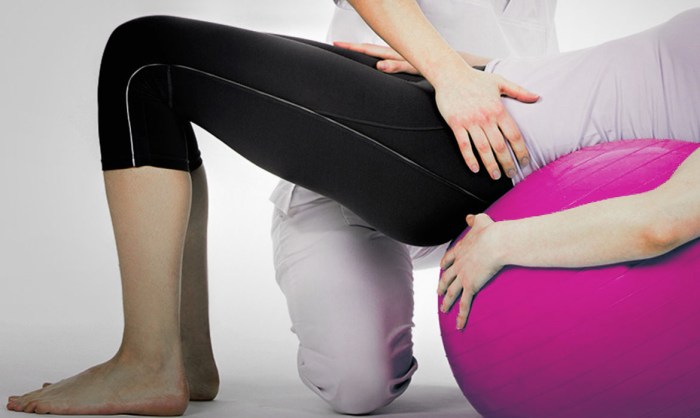
Pelvic health in women is a multifaceted area encompassing the anatomical structures, physiological functions, and potential dysfunctions of the pelvic floor. This crucial region supports vital organs and plays a significant role in overall well-being, yet often receives insufficient attention. Understanding its complexities is key to maintaining optimal health and addressing common issues that can impact quality of life.
This guide explores the intricate anatomy of the female pelvic floor, detailing its functions and how age, hormonal fluctuations, and lifestyle choices can affect its health. We delve into prevalent conditions such as urinary incontinence, pelvic organ prolapse, and pelvic pain, examining their causes, symptoms, and various treatment options, ranging from conservative approaches to surgical interventions. The guide also emphasizes the importance of preventative measures, including targeted exercises and lifestyle modifications, particularly for women during pregnancy and postpartum.
Pelvic Health and Pregnancy/Postpartum
Pregnancy and childbirth place significant stress on the pelvic floor, a group of muscles and ligaments supporting the pelvic organs. Understanding these changes and implementing appropriate preventative and rehabilitative measures is crucial for long-term pelvic health. This section will explore the impact of pregnancy and postpartum on pelvic floor function and highlight strategies for maintaining optimal health.
Changes in Pelvic Floor Function During Pregnancy and Childbirth
Hormonal shifts during pregnancy, notably increased relaxin, cause the ligaments and connective tissues supporting the pelvic floor to soften and stretch. This increased laxity, combined with the growing weight of the uterus, can lead to weakening of the pelvic floor muscles and altered muscle function. Childbirth itself further challenges the pelvic floor, particularly vaginal delivery, which involves significant stretching and potential trauma to the muscles and nerves.
Episiotomy or tearing can exacerbate this damage, leading to longer recovery times and a higher risk of complications. Even Cesarean sections, while avoiding direct trauma to the pelvic floor, still involve abdominal surgery that can indirectly impact pelvic floor function.
Increased Risk of Pelvic Floor Disorders Postpartum
The physiological changes during pregnancy and the stresses of childbirth significantly increase the risk of developing various pelvic floor disorders postpartum. These include urinary incontinence (leakage of urine), fecal incontinence (leakage of stool), pelvic organ prolapse (descent of pelvic organs into the vagina), and pelvic pain. The severity of these disorders varies, ranging from mild discomfort to significant functional impairment affecting daily life.
Risk factors include prolonged labor, instrumental delivery (forceps or vacuum), large baby size, previous pelvic floor disorders, and obesity. For example, a woman who experienced a third-degree tear during childbirth may be at a considerably higher risk of developing fecal incontinence compared to a woman with an uncomplicated vaginal delivery.
Importance of Postpartum Pelvic Floor Rehabilitation
Postpartum pelvic floor rehabilitation plays a vital role in restoring pelvic floor muscle strength, function, and integrity. A tailored rehabilitation program can address specific issues, such as muscle weakness, altered neuromuscular control, and tissue damage. This can significantly reduce the likelihood of developing long-term pelvic floor disorders and improve quality of life. Rehabilitation may involve pelvic floor muscle training (Kegels), manual therapy, biofeedback, and electrical stimulation, depending on the individual’s needs and the severity of any existing issues.
Early intervention is key, as it can prevent the progression of minor issues into more significant problems.
Examples of Exercises Suitable for Pregnant and Postpartum Women
Strengthening the pelvic floor is crucial throughout pregnancy and postpartum. Simple exercises can be performed safely and effectively.
- Pelvic Floor Lifts (Kegels): Contract the muscles as if stopping urination midstream. Hold for a few seconds, then relax. Repeat multiple times throughout the day. It is important to ensure only the pelvic floor muscles are engaged and not the abdominal or buttock muscles.
- Bridge Pose: Lie on your back with knees bent and feet flat on the floor. Lift your hips off the floor, squeezing your glutes and pelvic floor muscles. Lower slowly. This exercise strengthens the gluteal muscles which indirectly support pelvic floor function.
- Deep Breathing Exercises: Conscious deep breathing helps relax the pelvic floor muscles and improves coordination. Inhale deeply, filling your belly, and exhale slowly, engaging your pelvic floor during the exhalation.
Note: It’s crucial to consult with a healthcare professional or a pelvic floor physiotherapist before starting any exercise program, especially during pregnancy and postpartum. They can assess your individual needs and provide personalized guidance.
Recommendations for Preventing Pelvic Floor Issues During and After Pregnancy
Implementing preventative measures can significantly reduce the risk of developing pelvic floor problems.
- Maintain a Healthy Weight: Excess weight puts extra strain on the pelvic floor.
- Engage in Regular Pelvic Floor Exercises: Start before pregnancy, continue during pregnancy, and maintain a consistent routine postpartum.
- Avoid Constipation: Straining during bowel movements puts stress on the pelvic floor. Maintain a high-fiber diet and adequate hydration.
- Practice Good Posture: Good posture helps reduce strain on the pelvic floor.
- Seek Professional Help Early: If you experience any pelvic floor symptoms, seek advice from a healthcare professional or pelvic floor physiotherapist promptly.
Stress and Anxiety Management Related to Pelvic Health
Stress and anxiety are significant factors influencing pelvic health, often exacerbating existing conditions or even contributing to their development. The intricate connection between the mind and body means that psychological well-being significantly impacts the functioning of the pelvic floor muscles. Understanding this relationship is crucial for effective management of pelvic health issues.Stress and anxiety can exacerbate pelvic floor disorders through various physiological pathways.
For example, chronic stress triggers the release of hormones like cortisol, which can increase muscle tension, leading to pelvic floor muscle spasms and pain. Furthermore, heightened anxiety can amplify pain perception, making existing conditions feel more severe. This vicious cycle can negatively impact quality of life, leading to further stress and anxiety.
Techniques for Managing Stress and Anxiety
Effective stress and anxiety management is a cornerstone of successful pelvic health management. A multi-faceted approach, incorporating relaxation techniques and lifestyle modifications, often proves most beneficial.Deep breathing exercises, such as diaphragmatic breathing, are simple yet powerful tools for calming the nervous system. Focusing on slow, deep breaths allows the body to activate the parasympathetic nervous system, promoting relaxation and reducing muscle tension.
Mindfulness meditation, involving focused attention on the present moment, can help to reduce rumination and worry, which frequently contribute to anxiety related to pelvic health conditions. Regular practice of these techniques can significantly improve overall well-being and reduce the impact of stress on the pelvic floor.
Resources for Support and Coping
Seeking support is a crucial step in managing the stress and anxiety associated with pelvic health challenges. Numerous resources are available to help individuals navigate these difficulties. Support groups, either in-person or online, provide a safe space to connect with others facing similar experiences, fostering a sense of community and shared understanding. These groups allow individuals to share coping strategies and learn from each other’s experiences.
Additionally, many healthcare providers offer counseling and support services, providing professional guidance and personalized strategies. Online resources, such as reputable websites and forums dedicated to pelvic health, offer valuable information and support.
Benefits of Therapy and Counseling
Therapy and counseling provide a structured approach to address the psychological impact of pelvic health conditions. A therapist can help individuals identify and challenge negative thought patterns, develop effective coping mechanisms, and improve overall emotional well-being. Cognitive Behavioral Therapy (CBT) is a particularly effective approach, helping individuals to recognize and modify unhelpful thinking patterns that contribute to anxiety and stress.
Furthermore, therapy can provide a safe and supportive space to process emotions related to the condition, leading to improved self-esteem and a greater sense of control.
Building Resilience for Improved Coping
Building resilience is a proactive strategy for enhancing coping mechanisms in the face of pelvic health challenges. Resilience refers to the ability to bounce back from adversity and adapt to challenging situations. Developing a strong support network, engaging in self-care activities, and setting realistic goals are all crucial aspects of building resilience. Regular exercise, healthy eating, and sufficient sleep contribute to both physical and mental well-being, strengthening one’s capacity to cope with stress and manage pelvic health issues effectively.
By proactively building resilience, individuals can better navigate the emotional and physical challenges associated with pelvic health conditions and improve their overall quality of life.
Depression Support Resources and Pelvic Health: Pelvic Health In Women
The connection between depression and pelvic floor disorders is increasingly recognized. Women experiencing pelvic health issues, such as urinary incontinence, pelvic pain, or prolapse, often face significant emotional distress that can contribute to or exacerbate depression. The physical discomfort, lifestyle changes, and potential impact on intimacy can all negatively affect mental well-being. Understanding this link is crucial for providing holistic and effective care.The impact of pelvic floor disorders on mental health is significant, often leading to feelings of isolation, shame, and decreased quality of life.
This can manifest as depression, anxiety, or other mental health challenges. Fortunately, various resources are available to support women navigating these difficulties.
Resources for Depression Related to Pelvic Health Issues
Accessing appropriate support is vital for women experiencing depression linked to pelvic health problems. These resources can provide emotional support, practical advice, and guidance toward effective treatment strategies. They range from professional mental health services to peer support groups.
- Mental Health Professionals: Therapists, counselors, and psychiatrists specializing in women’s health or pelvic floor disorders can provide individual therapy, cognitive behavioral therapy (CBT), and other evidence-based treatments to address depression and its underlying causes. They can also help develop coping mechanisms and strategies for managing symptoms.
- Pelvic Floor Physiotherapists: These specialists offer physical therapy to address pelvic floor muscle dysfunction, which can significantly improve physical symptoms and contribute to improved mental well-being. Addressing the physical source of distress often has a positive ripple effect on mental health.
- Gynecologists and Urogynecologists: These medical professionals can diagnose and treat underlying pelvic health conditions, providing a crucial medical component to the overall care plan. They can also offer referrals to mental health specialists.
- Support Groups and Online Communities: Connecting with other women facing similar challenges can provide a sense of community and shared understanding. Online forums and support groups offer a safe space to share experiences, learn coping strategies, and reduce feelings of isolation.
Benefits of Seeking Professional Help
Seeking professional help is a crucial step in improving both mental and physical well-being. Professional guidance provides a structured approach to managing depression and pelvic health issues, offering evidence-based interventions tailored to individual needs. Early intervention is key to preventing the long-term effects of untreated depression and pelvic floor dysfunction. For example, a woman struggling with postpartum incontinence and depression might find that therapy combined with pelvic floor physiotherapy significantly improves her mood and reduces her physical symptoms.
Similarly, a woman experiencing chronic pelvic pain might find relief through a combination of medical treatment and stress management techniques learned through therapy.
Importance of Self-Care in Managing Depression
Self-care plays a vital role in managing depression and supporting overall well-being. It’s not a luxury, but a necessary component of a comprehensive treatment plan. Prioritizing self-care activities can help regulate mood, reduce stress, and improve overall health.
- Mindfulness and Meditation: Practicing mindfulness and meditation techniques can help reduce stress, improve focus, and promote emotional regulation.
- Regular Exercise: Engaging in regular physical activity, even gentle walks, releases endorphins and can improve mood and energy levels.
- Healthy Diet and Sleep: Maintaining a balanced diet and prioritizing sufficient sleep are crucial for physical and mental health. Nutritional deficiencies can exacerbate depression, while sleep deprivation worsens symptoms.
- Social Connection: Connecting with supportive friends, family, or community groups provides emotional support and reduces feelings of isolation.
Examples of Support Groups and Online Communities
Numerous online platforms and organizations offer support for women with pelvic health concerns. These resources provide a valuable avenue for connecting with others who understand the challenges and can offer encouragement and practical advice. While specific groups and websites may vary, searching online for “pelvic floor support groups” or “pelvic health online communities” will reveal a range of options.
Many organizations dedicated to women’s health also offer online resources and support networks.
Mindfulness Practices for Pelvic Health
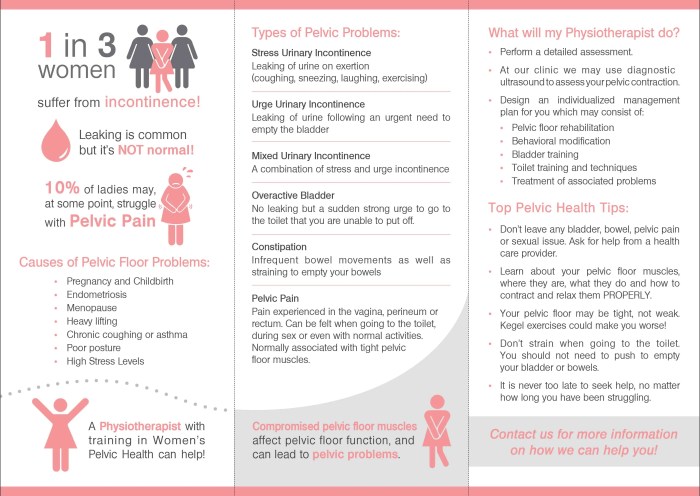
Mindfulness, the practice of paying attention to the present moment without judgment, offers a powerful approach to managing pelvic pain and discomfort. By cultivating awareness of bodily sensations and emotional responses, individuals can develop a more nuanced understanding of their pelvic floor and reduce the impact of tension and stress. This approach complements other therapeutic interventions and can significantly improve overall well-being.Mindfulness techniques help manage pelvic pain by shifting focus away from the pain itself and towards the present moment.
This reduces the intensity of pain perception and decreases the emotional distress often associated with chronic pain. By cultivating a sense of calm and self-compassion, mindfulness can also reduce muscle tension, a significant contributor to pelvic floor dysfunction.
Meditation for Pelvic Health
Meditation involves focusing your attention on a single point of reference, such as your breath, a mantra, or a visual image. Regular meditation practice can help calm the nervous system, reducing stress and anxiety which often exacerbate pelvic pain. By focusing on the breath, you can gently observe the sensations in your pelvic area without judgment, promoting relaxation and reducing tension.
Guided meditations specifically designed for pelvic floor relaxation are readily available online or through apps. These guided sessions often incorporate visualizations and affirmations to support the relaxation process. For example, a guided meditation might involve visualizing a warm, soothing light gently relaxing the pelvic floor muscles.
Body Scan Meditation for Pelvic Floor Awareness
Body scan meditation is a technique that involves systematically bringing awareness to different parts of the body, noticing sensations without judgment. This practice enhances body awareness, which is crucial for understanding and managing pelvic floor tension. By slowly scanning your body from head to toe, paying close attention to the sensations in your pelvic area, you can identify areas of tension and gently release them.
This process helps to cultivate a sense of connection with your body and promotes relaxation. For instance, you might notice a tightening in your hips and gently encourage relaxation through deep breathing.
Benefits of Daily Mindfulness for Pelvic Health
Incorporating mindfulness into daily life offers numerous benefits for pelvic health. These include reduced stress and anxiety, improved body awareness, increased relaxation, and a greater sense of self-compassion. These benefits contribute to a more balanced and resilient pelvic floor, making it less susceptible to pain and dysfunction. For example, a consistent mindfulness practice might reduce the frequency of painful spasms and improve overall quality of life.
Regular practice can also enhance the effectiveness of other pelvic floor therapies.
Guided Mindfulness Exercises for Pelvic Floor Relaxation
Many guided mindfulness exercises are specifically designed to promote pelvic floor relaxation. These exercises often combine deep breathing techniques with visualizations and affirmations. A common approach involves focusing on the breath while gently visualizing the pelvic floor muscles releasing tension. These guided exercises are often available through apps, online resources, or from qualified healthcare professionals. A therapist might guide a patient through a visualization of the pelvic floor muscles melting away tension like warm wax.
Step-by-Step Guide to Mindful Breathing for Pelvic Floor Relaxation
- Find a comfortable position, either sitting or lying down.
- Close your eyes gently and bring your attention to your breath. Notice the natural rhythm of your inhales and exhales.
- As you inhale, imagine your breath flowing down into your pelvic area, bringing warmth and relaxation.
- As you exhale, imagine any tension or tightness in your pelvic floor gently melting away.
- Continue this process for 5-10 minutes, focusing on the sensations in your pelvic area without judgment.
- If your mind wanders, gently redirect your attention back to your breath.
- When you’re ready, slowly open your eyes and take a moment to appreciate the sense of calm and relaxation.
Mental Health Advocacy and Pelvic Health
The intersection of mental and pelvic health is often overlooked, yet significantly impacts women’s overall well-being. Many women experiencing pelvic floor disorders also grapple with anxiety, depression, and other mental health challenges. Advocating for better access to comprehensive care that addresses both physical and mental health needs is crucial for improving quality of life and reducing the burden of these conditions.The inadequate access to pelvic health care and mental health support for women creates significant barriers to recovery and overall well-being.
This necessitates a multi-pronged approach involving improved awareness, increased funding, and policy changes to ensure equitable access to quality care.
Organizations Dedicated to Raising Pelvic Health Awareness
Several organizations play a vital role in raising awareness about pelvic health issues and advocating for better access to care. These organizations often provide educational resources, support networks, and lobby for policy changes. Their efforts contribute significantly to reducing stigma and improving patient outcomes.
Strategies for Advocating for Improved Mental Health Support
Effective advocacy requires a multifaceted approach. This includes educating policymakers and healthcare providers about the interconnectedness of pelvic health and mental health, advocating for insurance coverage of both physical and mental health treatments, and promoting research on effective interventions. Furthermore, supporting initiatives that increase access to mental health services, especially for underserved populations, is essential. This can involve collaborating with mental health organizations and advocating for integrated care models.
Examples of Successful Advocacy Campaigns Related to Women’s Health
Successful advocacy campaigns often leverage data-driven narratives, personal stories, and strategic partnerships. For example, campaigns highlighting the prevalence of postpartum depression have led to increased awareness and improved access to screening and treatment. Similarly, advocacy efforts focused on reproductive rights have resulted in policy changes that protect access to essential healthcare services. These successful campaigns demonstrate the power of collective action and the importance of using multiple advocacy channels.
A Public Awareness Campaign: “Connect & Thrive: Pelvic Health & Mental Well-being”
This campaign aims to improve understanding of the connection between pelvic health and mental well-being. It would utilize a multi-platform approach, including social media campaigns featuring relatable stories from women who have navigated these challenges, partnerships with healthcare providers and influencers to disseminate information, and the creation of educational materials (infographics, short videos, and articles) accessible to the public.
The campaign would emphasize the importance of seeking help, highlight available resources, and promote self-care strategies that support both physical and mental health. The visual identity of the campaign would feature calming imagery and a positive, supportive tone, designed to reduce stigma and encourage engagement. A key component would be the development of a website and social media platforms serving as central hubs for information and community support.
The website would include a directory of pelvic health professionals and mental health providers, ensuring ease of access to care. The campaign would also advocate for policy changes at the local and national levels to improve access to care.
Therapy and Counseling Options for Pelvic Health
Managing pelvic health conditions often requires a multi-faceted approach, incorporating both physical and emotional support. Many women experience significant distress alongside physical symptoms, highlighting the importance of integrated therapeutic interventions. This section explores various therapy and counseling options available to address both the physical and psychological aspects of pelvic health issues.
Physical Therapy’s Role in Pelvic Floor Disorders
Physical therapy, specifically pelvic floor physiotherapy, plays a crucial role in treating a wide range of pelvic floor disorders. Therapists utilize manual techniques, biofeedback, electrical stimulation, and individualized exercise programs to strengthen or relax pelvic floor muscles, depending on the specific condition. This approach aims to improve muscle function, reduce pain, and restore normal bowel and bladder control.
For example, women experiencing urinary incontinence might benefit from exercises to strengthen the pelvic floor, while those with chronic pelvic pain might benefit from techniques to release tension in the muscles. The therapist will assess the individual’s condition and tailor a treatment plan to address their specific needs.
Psychotherapy’s Impact on the Emotional Aspects of Pelvic Health
The emotional impact of pelvic health issues should not be underestimated. Conditions like endometriosis, interstitial cystitis, and prolapse can significantly affect a woman’s quality of life, leading to anxiety, depression, and feelings of isolation. Psychotherapy provides a safe space for women to process these emotions, learn coping mechanisms, and develop strategies for managing their condition. Different therapeutic approaches can be beneficial, depending on the individual’s needs.
Cognitive Behavioral Therapy (CBT) and Pelvic Floor Physiotherapy
Cognitive Behavioral Therapy (CBT) is a widely used approach that helps individuals identify and change negative thought patterns and behaviors contributing to their distress. In the context of pelvic health, CBT can help women manage anxiety related to pelvic floor dysfunction, challenge negative self-beliefs, and develop coping strategies for managing symptoms. When combined with pelvic floor physiotherapy, this integrated approach addresses both the physical and psychological aspects of the condition, leading to more comprehensive and sustainable improvements.
For instance, a woman with chronic pelvic pain might use CBT to manage anxiety related to pain flare-ups, while simultaneously engaging in physiotherapy to address muscle tension.
Comparison of Therapy Types
| Therapy Type | Benefits | Potential Drawbacks | Suitable For |
|---|---|---|---|
| Pelvic Floor Physiotherapy | Improved muscle function, reduced pain, improved bladder and bowel control | May require multiple sessions, not effective for all conditions | Urinary incontinence, fecal incontinence, pelvic pain, prolapse |
| Cognitive Behavioral Therapy (CBT) | Improved coping mechanisms, reduced anxiety and depression, improved quality of life | Requires active participation, may not be effective for all individuals | Anxiety, depression, chronic pain related to pelvic health conditions |
| Mindfulness-Based Stress Reduction (MBSR) | Reduced stress and anxiety, improved body awareness, enhanced self-regulation | Requires commitment to regular practice, may not be sufficient for severe conditions | Stress and anxiety related to pelvic health conditions |
| Other Psychotherapies (e.g., psychodynamic therapy) | Exploration of underlying emotional issues contributing to pelvic health problems, improved self-awareness | Can be time-consuming and expensive, may not be suitable for all individuals | Complex cases involving significant psychological distress |
Building Resilience and Overcoming Addictions
Chronic pelvic pain can significantly impact a woman’s life, leading to emotional distress and potentially contributing to the development or exacerbation of addictive behaviors. Building resilience is crucial for navigating these challenges and fostering a path towards improved physical and mental well-being. This section explores strategies for strengthening resilience, understanding the connection between addiction and pelvic health, and accessing appropriate support.
Addiction’s Impact on Pelvic Health and Overall Well-being
Substance abuse and addictive behaviors, including alcohol misuse, opioid dependence, and other forms of addiction, can negatively affect pelvic health in several ways. For example, chronic alcohol consumption can lead to liver damage, impacting hormone regulation and potentially contributing to pelvic floor dysfunction. Opioid use can cause constipation, which can strain the pelvic floor muscles and exacerbate existing conditions like endometriosis or pelvic organ prolapse.
Furthermore, the stress and neglect associated with addiction often hinder self-care practices crucial for pelvic health management, such as regular exercise and healthy eating. The overall impact extends beyond physical health, impacting mental well-being, relationships, and overall quality of life, creating a vicious cycle that intensifies pelvic pain and dysfunction.
The Importance of Seeking Professional Help for Addiction
Addressing addiction is paramount for improving pelvic health and overall well-being. Professional help provides a structured approach to recovery, offering personalized support tailored to individual needs and circumstances. Treatment plans may include medication-assisted treatment, therapy (such as cognitive behavioral therapy or CBT), support groups, and holistic approaches. Professional guidance helps individuals navigate the complexities of addiction, fostering self-awareness, coping mechanisms, and relapse prevention strategies.
Early intervention is crucial to mitigate long-term consequences and improve the chances of a successful recovery.
Resources for Addiction Treatment and Support
Numerous resources are available to support individuals struggling with addiction. These include:
- Substance Abuse and Mental Health Services Administration (SAMHSA): SAMHSA’s National Helpline (1-800-662-HELP (4357)) provides confidential treatment referral and information services. They offer a comprehensive website with resources and support groups.
- National Institute on Drug Abuse (NIDA): NIDA offers extensive information on various substances, their effects, and treatment options. Their website provides valuable insights into addiction science and research.
- Alcoholics Anonymous (AA) and Narcotics Anonymous (NA): These 12-step programs offer peer support and guidance through recovery. Meetings are widely available across the country.
- Local hospitals and clinics: Many healthcare facilities offer addiction treatment programs and can provide referrals to specialists.
Coping Mechanisms for Managing Stress and Building Resilience
Developing effective coping mechanisms is vital for managing stress and building resilience in the face of chronic pelvic pain. These strategies can help reduce reliance on unhealthy coping mechanisms and foster a more positive outlook.
- Mindfulness and meditation: Practicing mindfulness techniques can help manage pain and reduce stress. Regular meditation sessions can promote relaxation and emotional regulation.
- Physical activity: Gentle exercise, such as yoga or walking, can improve physical health, reduce stress, and boost mood. It’s crucial to choose activities appropriate for one’s physical limitations.
- Healthy diet and sleep hygiene: A balanced diet and sufficient sleep are fundamental to overall health and well-being. These habits can significantly impact stress levels and pain management.
- Social support: Connecting with friends, family, or support groups can provide emotional support and reduce feelings of isolation.
- Professional therapy: Therapy provides a safe space to process emotions, develop coping skills, and address underlying mental health concerns that might be contributing to or exacerbated by pelvic pain.
Sleep and Mental Health in Relation to Pelvic Health
The intricate connection between sleep, mental well-being, and pelvic health is often overlooked, yet understanding this relationship is crucial for holistic women’s health. Insufficient sleep negatively impacts both mental and physical health, significantly affecting pelvic floor function and the management of pelvic health conditions. Conversely, addressing sleep disturbances can contribute to improved mental health and better pelvic floor health outcomes.The impact of sleep deprivation on various bodily systems, including the nervous and hormonal systems, is well-documented.
These systems play a critical role in pelvic floor function, influencing muscle tone, coordination, and overall health. Lack of sleep can exacerbate symptoms of conditions like pelvic floor dysfunction, urinary incontinence, and painful intercourse. Furthermore, sleep deprivation can intensify stress and anxiety, which are already common factors in many pelvic health issues. This creates a vicious cycle where poor sleep worsens pelvic health, which further disrupts sleep patterns.
Sleep Deprivation’s Effect on Pelvic Floor Function
Sleep deprivation leads to hormonal imbalances, particularly affecting cortisol (the stress hormone) levels. Elevated cortisol can increase muscle tension, potentially contributing to pelvic floor muscle spasms and hypertonicity (excessive muscle tightness). Furthermore, insufficient restorative sleep impairs the body’s natural repair processes, hindering the healing of pelvic floor tissues after injury or childbirth. This can manifest as persistent pain, reduced muscle control, and ongoing pelvic health challenges.
Studies have shown a correlation between chronic sleep problems and increased symptoms of pelvic floor dysfunction, emphasizing the importance of prioritizing sleep for optimal pelvic health.
Strategies for Improving Sleep Hygiene
Establishing consistent sleep hygiene practices is fundamental to improving sleep quality. This involves creating a supportive sleep environment and adopting healthy sleep habits. For example, maintaining a regular sleep schedule, even on weekends, helps regulate the body’s natural sleep-wake cycle. Creating a dark, quiet, and cool bedroom is also crucial. Limiting exposure to screens (phones, tablets, computers) before bed is essential, as the blue light emitted from these devices interferes with melatonin production, a hormone that regulates sleep.
Creating a Relaxing Bedtime Routine
A calming bedtime routine can significantly improve sleep quality. This might include a warm bath or shower, reading a book, listening to calming music, or practicing gentle relaxation techniques like deep breathing or progressive muscle relaxation. These activities help signal to the body that it’s time to wind down and prepare for sleep. Avoiding caffeine and alcohol before bed is also important, as these substances can interfere with sleep.
A regular, moderate exercise routine (avoiding strenuous activity close to bedtime) can also contribute to better sleep.
Benefits of Adequate Sleep for Stress and Anxiety Management, Pelvic health in women
Adequate sleep is essential for managing stress and anxiety, both of which are frequently linked to pelvic health problems. During sleep, the brain processes and consolidates information, allowing for emotional regulation and stress reduction. Sufficient sleep also strengthens the immune system, which is vital for overall health and well-being. When individuals are well-rested, they are better equipped to cope with stressors and manage anxiety related to pelvic health conditions.
This improved coping mechanism can lead to a more positive outlook and reduced reliance on unhealthy coping strategies.
Workplace Mental Health and Pelvic Health
Many women experience pelvic health issues that significantly impact their daily lives, and the workplace is no exception. The intersection of pelvic health challenges and workplace demands can create a complex web of difficulties, affecting both physical and mental well-being. Understanding these challenges and implementing supportive strategies is crucial for fostering a healthy and productive work environment.The challenges faced by women with pelvic health issues in the workplace are multifaceted.
Physical symptoms, such as chronic pain, urinary incontinence, and fatigue, can directly impact work performance and productivity. The need for frequent bathroom breaks, limitations on physical activity, and unpredictable pain episodes can lead to decreased efficiency and potential job insecurity. Furthermore, the stigma surrounding pelvic health issues often prevents open communication, leading to feelings of isolation, shame, and anxiety.
This can further exacerbate mental health challenges, leading to increased stress, depression, and difficulty concentrating. The lack of understanding from colleagues and supervisors can compound these difficulties, creating a hostile or unsupportive work environment.
Workplace Support and Understanding: Importance
A supportive and understanding workplace is essential for women managing pelvic health issues. Open communication and a non-judgmental environment are crucial for allowing employees to feel comfortable disclosing their conditions and seeking necessary accommodations. When employees feel safe and supported, they are more likely to seek help, manage their conditions effectively, and maintain their productivity. This also contributes to a positive work culture that values employee well-being and fosters inclusivity.
A supportive environment can reduce stress, improve morale, and increase employee retention. Conversely, a lack of support can lead to increased absenteeism, decreased productivity, and even job loss.
Advocating for Accommodations in the Workplace
Advocating for workplace accommodations requires a proactive approach. This involves clearly communicating needs to supervisors and human resources, providing medical documentation when necessary, and proposing reasonable adjustments to work duties or schedules. Examples of accommodations could include flexible work arrangements, ergonomic adjustments to workstations, access to accessible restrooms, and reduced workloads during periods of increased pain or discomfort.
It is important to frame requests in terms of maintaining productivity and ensuring equal opportunities, emphasizing the benefits to both the employee and the employer. Documentation from healthcare professionals outlining the specific needs and limitations caused by the pelvic health condition is often crucial in securing appropriate accommodations.
Resources for Employees Experiencing Mental Health Challenges Related to Pelvic Health
Employees facing mental health challenges linked to pelvic health conditions can benefit from various resources. These include employee assistance programs (EAPs), which often provide confidential counseling and support services. Mental health professionals specializing in pelvic health conditions can offer tailored therapy and support. Support groups, either online or in-person, can provide a sense of community and shared experience.
Additionally, resources from organizations focused on pelvic health and mental health can offer valuable information, guidance, and support networks. These resources can help individuals develop coping mechanisms, manage stress, and improve their overall well-being.
Supporting Employees with Pelvic Health Concerns: A Guide for Employers
Creating a supportive workplace requires a multifaceted approach from employers. This includes providing comprehensive training for managers and HR personnel on pelvic health conditions and their impact on the workplace. Developing clear policies and procedures for handling accommodation requests is crucial, ensuring a fair and consistent process. Promoting open communication and creating a culture of understanding and empathy are essential for fostering a supportive environment.
Offering access to resources such as EAPs and providing information about available pelvic health services can empower employees to seek help and manage their conditions effectively. Regularly reviewing workplace policies and practices to ensure inclusivity and accessibility further demonstrates a commitment to employee well-being. By investing in employee well-being, employers can create a more productive, engaged, and inclusive workforce.
Personal Growth and Self-Care for Pelvic Health
Managing pelvic health conditions often requires a holistic approach that extends beyond medical treatments. Personal growth and self-care play a crucial role in improving both physical and mental well-being, fostering resilience, and enhancing the overall quality of life for women experiencing these challenges. A proactive and compassionate approach to self-care can significantly impact the management and alleviation of symptoms.
The Importance of Self-Compassion and Self-Acceptance
Self-compassion and self-acceptance are fundamental to navigating the emotional and physical complexities associated with pelvic health issues. Many women experience feelings of shame, guilt, or embarrassment related to their conditions. Cultivating self-compassion involves treating oneself with kindness, understanding, and empathy, acknowledging that experiencing these challenges is not a personal failing. Self-acceptance encourages recognizing and embracing one’s body and experiences without judgment, fostering a positive self-image and reducing feelings of inadequacy.
This positive self-perception is vital for adhering to treatment plans and engaging in self-care activities.
Self-Care Practices and Their Impact on Well-being
Engaging in regular self-care practices significantly contributes to both mental and physical well-being. Prioritizing self-care helps manage stress, reduce anxiety, improve sleep quality, and boost overall mood. Physically, self-care practices can alleviate pain, improve muscle function, and promote relaxation, potentially easing pelvic floor tension. The cumulative effect of consistent self-care is a noticeable improvement in overall health and a greater sense of control over one’s well-being.
This, in turn, empowers women to actively participate in their recovery journey.
Benefits of Setting Realistic Goals and Prioritizing Self-Care
Setting achievable goals is essential for successful self-care. Overambitious goals can lead to frustration and discouragement, undermining the entire process. Starting small and gradually increasing the intensity or duration of activities is a more sustainable approach. Prioritizing self-care means scheduling dedicated time for these activities, treating them as non-negotiable appointments. This demonstrates self-respect and reinforces the importance of self-care in the overall health and wellness plan.
Consistent effort, even with small steps, yields cumulative benefits over time.
Examples of Self-Care Activities for Relaxation and Stress Reduction
Numerous self-care activities can promote relaxation and stress reduction. These include: gentle yoga or stretching exercises specifically designed for pelvic floor health; mindful breathing techniques; progressive muscle relaxation; spending time in nature; engaging in hobbies that bring joy and relaxation; listening to calming music; practicing meditation or mindfulness; taking warm baths; and enjoying aromatherapy with calming essential oils like lavender or chamomile.
Choosing activities that resonate personally is crucial for maintaining consistent engagement. For instance, a woman who enjoys gardening might find it incredibly relaxing, while another might find solace in reading a book.
Personalized Self-Care Plan Template
A personalized self-care plan should be tailored to individual needs and preferences. It’s helpful to consider the following:
| Area | Specific Activities | Frequency | Duration | Notes |
|---|---|---|---|---|
| Physical Self-Care | Gentle exercise, warm baths, massage | Daily/Weekly | 15-30 minutes | Adapt to energy levels |
| Mental Self-Care | Meditation, mindfulness, journaling | Daily/Weekly | 10-20 minutes | Find a quiet space |
| Emotional Self-Care | Connecting with supportive friends/family, therapy | Weekly/As needed | Varies | Prioritize emotional support |
| Spiritual Self-Care | Prayer, spending time in nature, yoga | Daily/Weekly | Varies | Connect with inner peace |
This template can be adapted and expanded upon to include other self-care practices that are relevant and beneficial to the individual. Regular review and adjustments are encouraged to ensure the plan remains effective and supportive.
Maintaining optimal pelvic health is vital for women’s overall well-being, impacting physical comfort, daily activities, and mental health. While challenges such as incontinence, prolapse, and pelvic pain can significantly affect quality of life, effective management strategies exist, from conservative treatments like physiotherapy and lifestyle changes to surgical interventions when necessary. By understanding the complexities of the pelvic floor and proactively addressing potential issues, women can empower themselves to live healthier, more fulfilling lives.
Open communication with healthcare providers is crucial in identifying concerns, receiving appropriate diagnoses, and accessing effective treatment options.
FAQ Section
What are the early warning signs of pelvic organ prolapse?
Early signs can include a feeling of pressure or fullness in the vagina, a bulge or lump in the vaginal area, urinary or bowel problems, and lower back pain. However, many women experience no symptoms initially.
Can Kegel exercises help with all pelvic floor issues?
Kegel exercises are beneficial for strengthening the pelvic floor muscles, which can help with some conditions like stress incontinence and mild prolapse. However, they are not a cure-all and may not be sufficient for more severe issues. A healthcare professional should guide you on appropriate exercises.
How often should I see a pelvic floor physical therapist?
The frequency of visits depends on your individual needs and the severity of your condition. Your therapist will create a treatment plan outlining the appropriate schedule of appointments.
Is surgery always necessary for pelvic organ prolapse?
No, surgery is usually considered only after conservative treatments, such as pelvic floor physical therapy and lifestyle modifications, have been tried and deemed insufficient. The decision to proceed with surgery is made on a case-by-case basis in consultation with a healthcare provider.