Managing Chronic Stress with Illness
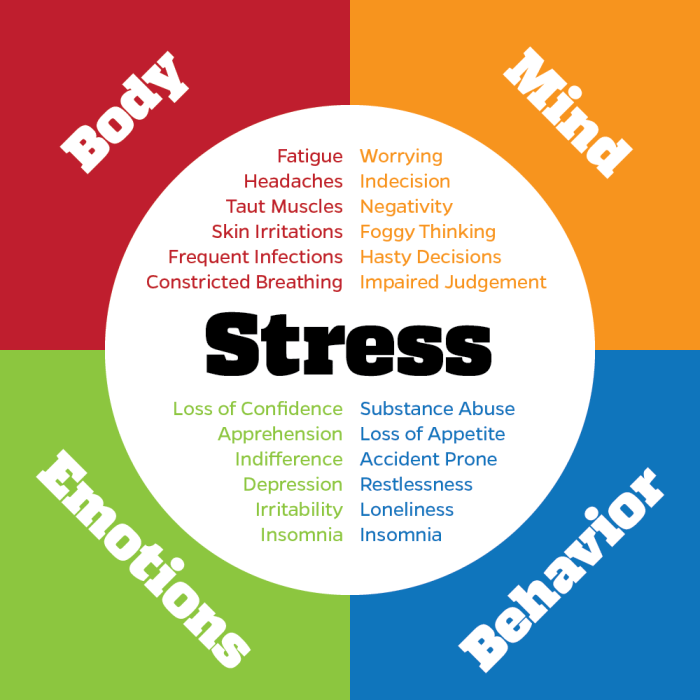
Managing chronic stress with illness presents a significant challenge for many individuals. This exploration delves into the intricate relationship between chronic stress and the exacerbation of existing health conditions, examining how various stressors impact different illnesses. We’ll explore effective stress and anxiety management techniques tailored for those living with chronic pain and other conditions, including relaxation exercises, mindfulness meditation, and coping mechanisms for navigating the emotional rollercoaster of medical appointments and treatments.
Furthermore, we’ll address the often-overlooked link between chronic illness, depression, and addiction, providing resources and strategies for building resilience and fostering overall well-being.
The journey towards managing chronic stress alongside illness is multifaceted and requires a holistic approach. This guide offers practical strategies for improving sleep quality, navigating workplace challenges, and cultivating self-compassion through personal growth and self-care. By understanding the interplay between physical and mental health, individuals can develop personalized plans to mitigate the effects of stress and enhance their quality of life.
Understanding Chronic Stress and Illness
Chronic stress significantly impacts our physical and mental well-being, particularly for individuals already managing chronic illnesses. The constant activation of the body’s stress response system – involving the release of hormones like cortisol – can exacerbate existing health problems and even trigger new ones. This intricate relationship necessitates a deeper understanding to effectively manage both stress and illness.The physiological connection between chronic stress and the worsening of existing illnesses is multifaceted.
Prolonged exposure to stress hormones leads to inflammation throughout the body. This inflammation can worsen conditions like arthritis, inflammatory bowel disease, and even heart disease. Furthermore, stress can disrupt sleep patterns, weaken the immune system, and increase blood pressure, all contributing to a decline in overall health and making individuals more vulnerable to infections and disease progression. For instance, a person with type 2 diabetes might experience higher blood sugar levels during periods of intense stress, increasing their risk of complications.
The Impact of Different Stress Types on Various Health Conditions
Different types of stress can differentially impact various health conditions. Acute stress, characterized by short-term, intense pressure, might trigger a flare-up in conditions like migraines or irritable bowel syndrome. In contrast, chronic stress, a prolonged state of tension, is more strongly linked to the development and progression of cardiovascular disease, depression, and autoimmune disorders. For example, the constant worry associated with financial insecurity could exacerbate symptoms of anxiety and depression, while workplace bullying might lead to increased blood pressure and heart problems.
The type of stressor, its intensity, and the individual’s coping mechanisms all play a crucial role in determining the health consequences.
Stress Management Techniques and Improved Health Outcomes
Implementing effective stress management techniques can significantly improve health outcomes for individuals with chronic illnesses. Mindfulness practices, such as meditation and deep breathing exercises, can help regulate the body’s stress response, reducing inflammation and promoting relaxation. Regular physical activity, even moderate exercise, releases endorphins, which have mood-boosting and pain-relieving effects. Cognitive behavioral therapy (CBT) provides individuals with tools to identify and challenge negative thought patterns that contribute to stress and anxiety.
For instance, a patient with chronic back pain might find that regular yoga sessions, combined with CBT to manage pain-related anxieties, lead to a reduction in pain intensity and improved quality of life. Similarly, a person with hypertension might experience lower blood pressure through a combination of regular exercise and stress-reduction techniques like progressive muscle relaxation. The tailored application of these techniques, often in conjunction with medical treatment, is key to successful management.
Stress and Anxiety Management Techniques for Individuals with Chronic Illness: Managing Chronic Stress With Illness

Living with a chronic illness presents unique challenges, often exacerbating stress and anxiety levels. Effective management strategies are crucial for improving quality of life and overall well-being. This section explores several techniques proven to help individuals cope with the emotional and physical burdens of chronic illness.
Relaxation Techniques for Chronic Pain Management
Deep breathing exercises and progressive muscle relaxation are valuable tools for managing chronic pain-related stress. Deep, slow breaths activate the parasympathetic nervous system, counteracting the “fight-or-flight” response associated with stress and pain. This can lead to reduced muscle tension, heart rate, and blood pressure. Progressive muscle relaxation involves systematically tensing and releasing different muscle groups, promoting physical relaxation and reducing pain perception.
For example, starting with the toes, tensing for a few seconds, then releasing and noticing the difference in tension. This process is repeated throughout the body, culminating in a feeling of overall relaxation. Practicing these techniques regularly, even for short periods, can significantly impact pain levels and overall stress.
Coping Mechanisms for Medical Appointments and Treatment Anxiety
Medical appointments and treatments can trigger significant anxiety in individuals with chronic illnesses. Developing effective coping mechanisms is essential for managing this anxiety. Preparation is key; compiling a list of questions beforehand can reduce uncertainty and empower the patient. Practicing relaxation techniques before appointments, such as deep breathing or mindfulness meditation, can help manage pre-appointment anxiety. Having a support person accompany you to appointments can also provide comfort and emotional support.
Additionally, exploring cognitive behavioral therapy (CBT) techniques can help challenge negative thought patterns and develop more adaptive coping strategies for dealing with the anxiety associated with medical procedures. For example, reframing negative thoughts like “This procedure will be terrible” into more realistic and positive ones like “I’ll get through this, and I have support”.
Mindfulness Meditation for Stress Reduction and Well-being, Managing chronic stress with illness
Mindfulness meditation, the practice of paying attention to the present moment without judgment, offers significant benefits for individuals with chronic conditions. It can reduce stress, improve pain management, and enhance overall well-being. By focusing on the breath, body sensations, or sounds, individuals can detach from anxious thoughts and worries related to their illness. Regular mindfulness practice can cultivate self-awareness, emotional regulation, and acceptance of difficult experiences.
This acceptance can be particularly helpful for individuals coping with the unpredictable nature of chronic illness.
Comparison of Mindfulness Techniques
Mindfulness encompasses various techniques, each offering unique benefits. The following table compares a few common methods:
| Mindfulness Technique | Description | Benefits | Suitable For |
|---|---|---|---|
| Body Scan | Systematically bringing awareness to different parts of the body, noticing sensations without judgment. | Increased body awareness, reduced tension, improved pain management. | Individuals with chronic pain, anxiety, or stress. |
| Mindful Walking | Paying close attention to the physical sensations of walking – the feeling of feet on the ground, the movement of the body. | Improved focus, reduced stress, increased awareness of the present moment. | Individuals with limited mobility or those seeking gentle movement. |
| Mindful Breathing | Focusing on the sensation of the breath entering and leaving the body. | Reduced anxiety, improved focus, enhanced relaxation. | Suitable for all individuals, especially those experiencing high stress or anxiety. |
| Mindful Eating | Paying close attention to the taste, texture, and smell of food while eating slowly and deliberately. | Increased awareness of bodily sensations, improved digestion, and reduced stress related to eating habits. | Individuals struggling with emotional eating or disordered eating patterns. |
Depression Support and Chronic Illness
Living with a chronic illness significantly increases the risk of developing depression. The constant physical discomfort, limitations on daily activities, and the emotional toll of managing a long-term health condition can contribute to feelings of hopelessness, sadness, and isolation. Understanding this connection is crucial for effective management of both the illness and the mental health challenges it can bring.The symptoms of depression in individuals with chronic illnesses can sometimes be difficult to distinguish from the symptoms of the illness itself.
However, common indicators include persistent sadness or low mood, loss of interest in activities once enjoyed, changes in appetite or sleep patterns (either increased or decreased), fatigue, feelings of worthlessness or excessive guilt, difficulty concentrating, and recurrent thoughts of death or suicide. It’s important to note that the severity and presentation of these symptoms can vary widely among individuals.
Identifying and Addressing Depression Symptoms in Chronic Illness
Recognizing depression’s presence in the context of a chronic illness requires careful observation and a holistic approach. Clinicians often assess for depression alongside the management of the primary condition, considering the interplay between physical and mental health. A thorough evaluation, including a detailed medical history, physical examination, and psychological assessment, is essential for accurate diagnosis and personalized treatment planning.
This collaborative approach, involving healthcare professionals and mental health specialists, is crucial for effective management.
Support Groups and Online Communities
Finding a supportive community can significantly alleviate the isolation and emotional burden often associated with both chronic illness and depression. Many support groups and online communities cater specifically to individuals facing these dual challenges. For example, organizations focused on specific chronic illnesses often have support networks that include discussions about mental health. Online forums and social media groups dedicated to chronic illness frequently provide a space for sharing experiences, seeking advice, and finding emotional support from others who understand.
These platforms offer a sense of belonging and validation, reducing feelings of loneliness and stigma.
Resources for Managing Depression Alongside Chronic Illness
Accessing reliable resources is vital for effective self-management and professional support. A multi-faceted approach, combining professional help with self-care strategies, can lead to improved mental and physical well-being.
- Websites: The National Institute of Mental Health (NIMH) and the Depression and Bipolar Support Alliance (DBSA) offer extensive information, resources, and support for individuals experiencing depression. Many chronic illness-specific organizations also provide links to mental health resources on their websites.
- Helplines: The National Suicide Prevention Lifeline (988) and the Crisis Text Line (text HOME to 741741) provide immediate support for those experiencing a mental health crisis. Many organizations also operate helplines specifically focused on chronic illness and mental health.
- Apps: Several mental health apps offer guided meditations, cognitive behavioral therapy (CBT) techniques, and mood tracking tools that can be beneficial in managing depression. Some apps also integrate with wearable technology to monitor activity levels and sleep patterns, providing additional insights into overall well-being.
Mindfulness Practices for Enhanced Well-being
Mindfulness, the practice of paying attention to the present moment without judgment, offers a powerful tool for individuals managing chronic illness and the associated stress. By cultivating awareness of bodily sensations, thoughts, and emotions, individuals can develop a greater sense of control and acceptance, ultimately improving their overall well-being. This section explores how mindfulness can be specifically applied to enhance the lives of those living with chronic conditions.Mindfulness techniques provide a path towards managing the emotional distress often intertwined with chronic illness.
The constant worry about symptoms, limitations, and the uncertainty of the future can lead to significant anxiety and depression. Mindfulness helps to create space between these distressing thoughts and emotions, preventing them from overwhelming the individual. By focusing on the present moment, rather than dwelling on the past or fearing the future, individuals can reduce the intensity of their emotional suffering and cultivate a sense of calm.
A Guided Body Scan Meditation for Chronic Pain
This short guided meditation focuses on bringing awareness to the body, promoting acceptance of sensations, and reducing the intensity of chronic pain. Find a comfortable position, either sitting or lying down. Close your eyes gently. Begin by noticing your breath, the natural rhythm of inhaling and exhaling. Now, bring your attention to your feet, noticing any sensations – tingling, pressure, warmth, or coolness.
Don’t judge these sensations; simply observe them. Gradually move your attention upwards, noticing sensations in your ankles, calves, knees, thighs, and so on, all the way up to the top of your head. If you encounter areas of pain, acknowledge it without judgment. Notice the quality of the pain – is it sharp, dull, aching? Simply observe it as a sensation, without resisting it or trying to change it.
Continue to scan your body, bringing awareness to each part, noticing any sensations without judgment. When you’re ready, gently bring your awareness back to your breath and then to the sounds around you. Slowly open your eyes.
Applying Mindfulness to Daily Routines
Incorporating mindfulness into daily routines can significantly enhance coping skills. For example, during mealtimes, focus entirely on the experience of eating – the taste, texture, and smell of the food. Avoid distractions like television or work. This simple act can increase appreciation for everyday pleasures and reduce stress. Similarly, while performing routine tasks such as showering or brushing teeth, pay close attention to the physical sensations involved.
Notice the warmth of the water on your skin or the feeling of the toothbrush against your teeth. These mindful moments, however brief, can provide anchors to the present and reduce the impact of intrusive thoughts about illness or pain. Even during moments of pain, practicing mindful breathing can help regulate the body’s stress response, reducing the overall intensity of the experience.
Focusing on the breath, observing its natural rhythm, and acknowledging the sensations without judgment can offer a sense of grounding and stability during difficult times.
Ultimately, managing chronic stress while living with illness requires a multifaceted approach that integrates practical techniques, emotional support, and a commitment to self-care. By understanding the physiological connection between stress and illness, employing effective stress management techniques, and building resilience, individuals can significantly improve their overall well-being and quality of life. Remember, seeking support from healthcare professionals and support groups is crucial in navigating this journey.
Prioritizing self-compassion and celebrating small victories along the way are vital components of a successful and sustainable path towards a healthier and more fulfilling life.
Top FAQs
What are some common signs that stress is negatively impacting my chronic illness?
Increased pain, fatigue, flare-ups, difficulty sleeping, decreased immune function, and emotional distress can all indicate that stress is worsening your condition.
How can I find a therapist or counselor specializing in chronic illness?
You can search online directories of therapists, contact your primary care physician for referrals, or reach out to support groups for individuals with chronic illnesses. Many therapists specialize in this area.
Is it safe to use sleep aids if I have a chronic illness?
It’s crucial to discuss any sleep aids with your doctor before use, as they may interact with your existing medications or worsen your condition. Your doctor can recommend safe and appropriate options.
How can I explain my chronic illness to my employer without feeling judged?
Prepare a concise and professional explanation focusing on your functional limitations and the accommodations you need to succeed in your role. Be prepared to discuss specific needs and strategies for effective communication.


