Healthy Eating for Children A Comprehensive Guide

Healthy eating for children is far more than just providing nutritious meals; it’s about cultivating lifelong healthy habits. This guide delves into the crucial role of nutrition in a child’s development, addressing common challenges like picky eating and offering practical strategies for parents, educators, and caregivers. We’ll explore the connection between diet and everything from cognitive function and physical growth to stress management and mental well-being, providing a holistic approach to ensuring children thrive.
From creating balanced weekly meal plans to understanding the impact of stress on eating habits and offering solutions for childhood obesity, we aim to empower you with the knowledge and tools to support your child’s healthy growth and development. We’ll also discuss the importance of creating a positive and supportive environment around food, avoiding power struggles, and fostering a healthy relationship with eating that lasts a lifetime.
Importance of Healthy Eating in Child Development
Healthy eating plays a pivotal role in a child’s overall development, influencing their physical growth, cognitive abilities, and immune system strength. Providing children with the right nutrients during their formative years sets the stage for a healthier and more successful life. The impact of nutrition extends far beyond simply preventing illness; it directly shapes their future potential.
Nutrition and Cognitive Development
Proper nutrition is fundamental to a child’s brain development and cognitive function. Essential fatty acids, like omega-3s found in fatty fish and flaxseeds, are crucial for brain structure and function, impacting learning, memory, and attention span. Similarly, iron deficiency can significantly impair cognitive abilities, leading to reduced concentration and poor academic performance. A balanced diet rich in vitamins and minerals supports optimal brain development and enhances cognitive skills throughout childhood and adolescence.
Studies have consistently shown a strong correlation between adequate nutrition and improved academic achievement. For example, research has indicated that children with better nutritional intake tend to perform better on standardized tests and exhibit improved concentration in the classroom.
Impact of Healthy Eating on Physical Growth and Immunity
A balanced diet directly impacts a child’s physical growth and development. Sufficient protein is essential for building and repairing tissues, ensuring proper muscle development and overall growth. Calcium and vitamin D are vital for strong bones and teeth, preventing conditions like rickets and osteoporosis. Furthermore, a healthy diet strengthens the immune system, making children less susceptible to infections and illnesses.
A diet lacking in essential vitamins and minerals can lead to stunted growth, weakened immunity, and increased vulnerability to various health problems. For instance, a deficiency in vitamin C can lead to scurvy, while zinc deficiency can impair immune function and wound healing.
Nutrient-Rich Foods for Children’s Healthy Growth
A variety of nutrient-rich foods are essential for children’s healthy development. Fruits and vegetables provide essential vitamins, minerals, and antioxidants. Lean proteins, such as chicken, fish, beans, and lentils, are crucial for muscle growth and repair. Whole grains, like brown rice and whole-wheat bread, offer sustained energy and fiber. Dairy products, or alternatives like fortified plant milks, provide calcium for strong bones.
Healthy fats, found in avocados, nuts, and seeds, are essential for brain development and overall health. It’s important to limit processed foods, sugary drinks, and unhealthy fats, as these can contribute to weight gain, nutrient deficiencies, and various health issues.
Sample Weekly Meal Plan for Children (Ages 5-10)
A balanced meal plan ensures children receive a diverse range of nutrients. Variety is key to maintaining interest and ensuring adequate intake of all essential nutrients. Portion sizes should be adjusted according to the child’s age, activity level, and individual needs.
| Day | Breakfast | Lunch | Dinner |
|---|---|---|---|
| Monday | Oatmeal with berries and nuts | Turkey and cheese sandwich on whole-wheat bread, with carrot sticks and apple slices | Chicken stir-fry with brown rice and mixed vegetables |
| Tuesday | Scrambled eggs with whole-wheat toast and avocado | Leftover chicken stir-fry | Baked salmon with roasted sweet potatoes and broccoli |
| Wednesday | Yogurt with granola and fruit | Lentil soup with whole-wheat crackers and a side salad | Lean ground beef and bean chili with cornbread |
| Thursday | Whole-wheat pancakes with fruit and syrup (in moderation) | Tuna salad sandwich on whole-wheat bread with cucumber and tomato slices | Pasta with marinara sauce and meatballs (lean ground turkey or beef) |
| Friday | Breakfast burrito with scrambled eggs, black beans, and cheese | Leftover pasta | Pizza on whole-wheat crust with lots of vegetables |
| Saturday | French toast (whole-wheat bread) with berries | Chicken nuggets (baked, not fried) with sweet potato fries and a side salad | Homemade chicken and vegetable skewers with quinoa |
| Sunday | Waffles (whole-wheat) with fruit and yogurt | Leftover chicken and vegetable skewers | Roast chicken with roasted vegetables (carrots, potatoes, and Brussels sprouts) |
Overcoming Picky Eating in Children
Picky eating is a common concern for many parents, often causing stress and frustration at mealtimes. Understanding the underlying reasons behind this behavior can help parents develop effective strategies to encourage a wider variety of healthy foods in their children’s diets. It’s important to remember that this is a phase, and with patience and the right approach, most children eventually expand their palates.Picky eating in children stems from a combination of factors.
Biological predispositions, such as heightened sensitivity to certain tastes and textures, play a role. Children may also develop strong preferences based on previous negative experiences with particular foods, or they may simply be asserting their independence and control. Furthermore, parental anxieties surrounding food can inadvertently reinforce picky eating behaviors. The environment during mealtimes also greatly impacts a child’s willingness to try new foods.
Reasons for Picky Eating
Several interconnected reasons contribute to picky eating. Genetic factors influence taste perception, making some children naturally more sensitive to bitterness or strong flavors. Negative experiences, such as choking or unpleasant textures, can create strong aversions. Children also naturally exhibit neophobia, a fear of new things, which extends to unfamiliar foods. Finally, parental pressure and power struggles surrounding food can inadvertently reinforce picky eating behaviors.
A child might use food refusal as a way to exert control.
Strategies for Introducing New Foods
Introducing new foods gradually and repeatedly is key. Start by offering small portions alongside familiar favorites. Don’t pressure the child to eat the new food; simply its presence on the plate. Repeated exposure, even without consumption, can gradually increase acceptance. Involve children in food preparation; this increases their interest and willingness to try new things.
Make it fun! Use cookie cutters to shape vegetables or create fun faces on plates with different foods.
Creating a Positive Eating Environment
Mealtimes should be relaxed and enjoyable, free from pressure or distractions. Avoid using food as a reward or punishment. Instead, focus on creating a positive and supportive atmosphere where children feel comfortable exploring different foods. Family meals are a great opportunity to model healthy eating habits and demonstrate enjoyment of a variety of foods. Children are more likely to try new things when they see their parents eating them enthusiastically.
Managing Mealtimes Without Power Struggles
Avoiding power struggles is crucial. Instead of forcing a child to eat, offer choices within a healthy framework. For example, offer two vegetable options, allowing the child to choose which one they prefer. Focus on the process of eating, not the quantity. Celebrate small victories and avoid focusing solely on what the childisn’t* eating.
Consistency is key; maintain regular meal and snack times to establish healthy routines.
Creative Ways to Incorporate Healthy Ingredients
Parents can creatively incorporate healthy ingredients into children’s favorite meals. Here are some ideas:
- Puree vegetables into sauces for pasta or pizza.
- Grate zucchini or carrots into meatballs or meatloaf.
- Add finely chopped spinach or other leafy greens to smoothies.
- Make fruit skewers with colorful combinations of berries and melon.
- Hide pureed vegetables in mac and cheese or other creamy dishes.
The Role of Parents and Schools in Promoting Healthy Eating: Healthy Eating For Children
Parents and schools play crucial, interconnected roles in shaping a child’s relationship with food and establishing lifelong healthy eating habits. A collaborative approach, where home and school environments reinforce positive messages, is most effective in fostering healthy nutrition. This section will explore the specific responsibilities of parents and schools, and compare strategies used to promote healthy eating in educational settings.
Parental Responsibilities in Shaping Children’s Eating Habits
Parents are the primary influencers of their children’s dietary choices. Their actions and attitudes significantly impact a child’s food preferences and eating behaviors. This influence begins early, even before a child starts solid foods. Parents model healthy eating habits through their own food choices and the way they discuss food. Consistent mealtimes, offering a variety of nutritious foods, and avoiding food as a reward or punishment are key strategies.
Furthermore, engaging children in meal preparation and grocery shopping can foster a positive relationship with food and increase their willingness to try new things. Addressing picky eating requires patience, persistence, and a positive approach, focusing on introducing new foods repeatedly rather than forcing consumption.
The Role of Schools in Providing Nutritious Meals and Education on Healthy Eating
Schools play a vital supporting role in promoting healthy eating. They can significantly impact children’s nutrition through the provision of nutritious school meals and the implementation of comprehensive nutrition education programs. Schools can offer a variety of fruits, vegetables, and whole grains, limiting processed foods, sugary drinks, and unhealthy fats. Nutrition education programs can teach children about the importance of balanced diets, the benefits of different food groups, and how to make healthy food choices.
These programs should be age-appropriate and engaging, using interactive activities and hands-on experiences to enhance learning.
Different Approaches to Promoting Healthy Eating in School Settings
Several approaches exist for promoting healthy eating in schools. Some schools implement comprehensive wellness programs that address nutrition, physical activity, and overall well-being. Others focus on specific initiatives, such as establishing school gardens where children can grow their own fruits and vegetables, or implementing taste tests of healthy foods to encourage trying new options. Some schools partner with local organizations or community gardens to provide fresh produce for school meals.
The effectiveness of these approaches varies depending on factors such as school resources, community support, and the level of parental involvement. A successful strategy often incorporates a multi-pronged approach that includes nutrition education, improved food service, and a supportive school environment.
Resources for Parents and Educators on Child Nutrition
Access to reliable information is crucial for parents and educators. Numerous organizations provide resources on child nutrition. The United States Department of Agriculture (USDA) offers comprehensive dietary guidelines and educational materials. The Academy of Nutrition and Dietetics provides evidence-based information on healthy eating for children and families. Many local health departments and hospitals also offer nutrition education programs and resources.
Online databases, such as those maintained by universities and government agencies, provide a wealth of information on child nutrition, including recipes, meal planning tools, and educational resources. These resources can help parents and educators make informed decisions about children’s diets and create a supportive environment for healthy eating.
Addressing Childhood Obesity Through Healthy Eating
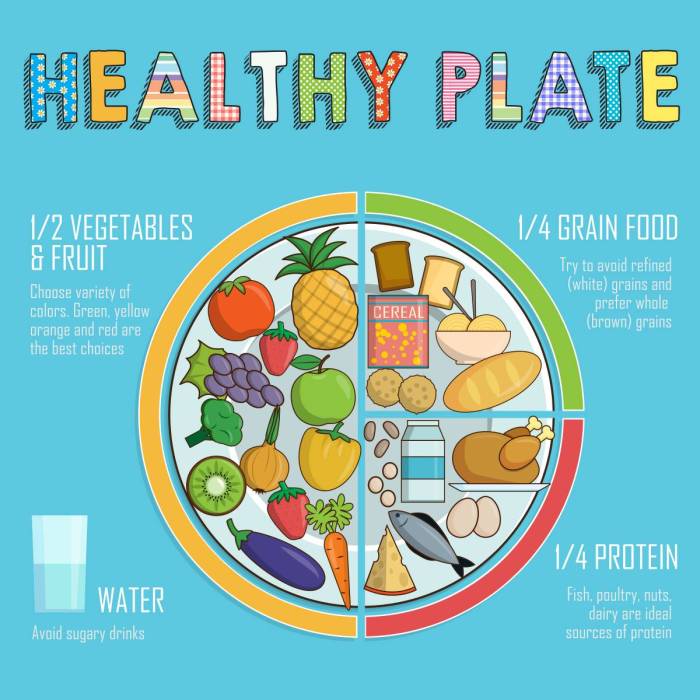
Childhood obesity is a significant public health concern, with a strong correlation to unhealthy eating habits. The excessive consumption of processed foods, sugary drinks, and high-fat meals contributes significantly to weight gain in children, leading to a range of serious health problems. Understanding this link is crucial to developing effective strategies for prevention and intervention.The link between unhealthy eating habits and childhood obesity is multifaceted.
Frequent consumption of energy-dense, nutrient-poor foods provides excess calories without offering the essential vitamins, minerals, and fiber needed for healthy growth and development. This imbalance leads to weight gain, which, if left unchecked, can persist into adulthood. Furthermore, lack of physical activity exacerbates the problem, as fewer calories are burned than consumed.
Long-Term Health Consequences of Childhood Obesity
Childhood obesity significantly increases the risk of developing numerous chronic diseases later in life. These include type 2 diabetes, heart disease, certain types of cancer, sleep apnea, and osteoarthritis. Children who are obese are also more likely to experience social and psychological issues, such as low self-esteem, bullying, and depression. The long-term impact on health and well-being is substantial, emphasizing the importance of early intervention and preventative measures.
For example, a child diagnosed with type 2 diabetes at a young age faces a lifetime of managing the condition, including medication, dietary restrictions, and potential complications.
Healthy Snacks and Meal Replacements for Overweight Children, Healthy eating for children
Providing nutritious alternatives is crucial in managing childhood obesity. Instead of processed snacks, offer options like fruits (apples, bananas, berries), vegetables (carrots, celery sticks with hummus), whole-grain crackers with cheese, or a small portion of yogurt. For meal replacements, focus on lean proteins (chicken, fish, beans), whole grains (brown rice, quinoa), and plenty of vegetables. A healthy lunchbox could include a turkey and avocado sandwich on whole-wheat bread, a side of baby carrots, and a piece of fruit.
It’s vital to ensure meals are balanced and portion-controlled, preventing overconsumption. Consider replacing sugary drinks with water, unsweetened tea, or milk.
Strategies for Encouraging Physical Activity
Physical activity is essential in combating childhood obesity. Incorporate regular exercise into a child’s daily routine. This could involve activities like playing active games (tag, basketball), swimming, cycling, or walking. Limit screen time (television, video games, tablets) and encourage participation in organized sports or extracurricular activities. Family walks or bike rides can be a fun way to incorporate physical activity into family time.
Aim for at least 60 minutes of moderate-to-vigorous physical activity per day, as recommended by health organizations. Finding activities the child enjoys will increase the likelihood of adherence. For instance, if a child loves dancing, enrolling them in dance classes can be a fun and effective way to promote physical activity.
Stress and Anxiety Management in Children (Related to Healthy Eating)
Stress and anxiety significantly impact a child’s overall well-being, and this influence extends directly to their eating habits. Understanding this connection is crucial for parents and caregivers to support children in developing healthy relationships with food and managing their emotional states. A child’s nutritional intake plays a vital role in their ability to cope with stress, highlighting the importance of a holistic approach to well-being.The effects of stress and anxiety on a child’s appetite can manifest in various ways.
Some children may overeat as a coping mechanism, seeking comfort in food, leading to potential weight gain and related health issues. Others may experience a decreased appetite, neglecting essential nutrients due to heightened stress levels. This can result in nutritional deficiencies and further compromise their ability to manage stress effectively. These changes in eating patterns can create a vicious cycle, where poor nutrition exacerbates stress and anxiety, leading to further disruptions in eating habits.
The Relationship Between Nutrition and Stress Resilience
Adequate nutrition provides the building blocks for a child’s physical and mental health, directly influencing their ability to withstand and recover from stressful situations. Essential nutrients, such as omega-3 fatty acids found in fatty fish, flaxseeds, and walnuts, support brain function and reduce inflammation, contributing to improved mood regulation and stress response. Similarly, sufficient intake of B vitamins, found in whole grains, leafy greens, and legumes, plays a crucial role in energy production and nerve function, enhancing a child’s ability to cope with stress.
Conversely, deficiencies in these essential nutrients can impair a child’s ability to manage stress effectively, increasing vulnerability to anxiety and other emotional challenges. For example, a child lacking sufficient iron may experience fatigue and irritability, making them more susceptible to stress.
Dietary Strategies for Stress and Anxiety Management
Implementing dietary changes can significantly contribute to a child’s ability to manage stress and anxiety. Focusing on a balanced diet rich in whole foods, including fruits, vegetables, whole grains, and lean proteins, provides the necessary nutrients to support optimal brain function and mood regulation. Regular consumption of meals and snacks helps stabilize blood sugar levels, preventing energy crashes that can exacerbate anxiety.
Limiting processed foods, sugary drinks, and excessive caffeine, which can trigger mood swings and increase anxiety, is also crucial. Incorporating foods rich in tryptophan, an amino acid that helps produce serotonin (a neurotransmitter associated with mood regulation), such as turkey, bananas, and eggs, can promote relaxation and reduce anxiety. For instance, a child’s afternoon snack could include a small banana with a handful of almonds, providing both tryptophan and healthy fats.
Mindfulness Practices for Healthy Eating and Stress Reduction
Mindful eating encourages children to pay attention to their hunger and fullness cues, fostering a healthier relationship with food. This practice involves eating slowly, savoring each bite, and noticing the textures, flavors, and smells of their food. Mindfulness exercises, such as deep breathing and body scans, can be incorporated into a child’s daily routine to reduce stress and improve focus.
These practices help children become more aware of their physical and emotional states, allowing them to identify and manage stress triggers more effectively. For example, before a meal, a child could engage in a few minutes of deep breathing, focusing on their breath and calming their nervous system. This simple practice can significantly improve their ability to eat mindfully and enjoy their food without distractions.
Depression Support Resources for Children and Families
Depression in children and adolescents is a serious issue that requires professional attention and support. Early intervention is key to improving outcomes and preventing long-term difficulties. Fortunately, numerous resources are available to families navigating this challenging experience. Understanding these resources and recognizing the signs of depression are crucial steps in providing effective support.
Reputable Organizations Offering Support for Children Experiencing Depression
Finding the right support can feel overwhelming, but several organizations specialize in providing assistance for children and families dealing with depression. These organizations offer a range of services, from helplines and online resources to therapy and support groups. Accessing these resources can significantly improve the well-being of children and families.
- The Jed Foundation: This non-profit organization focuses on protecting emotional health and preventing suicide for teens and young adults. They offer resources, support, and educational programs.
- The National Alliance on Mental Illness (NAMI): NAMI provides support, education, and advocacy for individuals and families affected by mental illness, including depression. They offer numerous resources, including support groups and educational materials.
- Child Mind Institute: This organization offers information, resources, and support for children and families struggling with mental health challenges, including depression. They provide access to clinicians and educational materials.
- The Trevor Project: This crisis intervention and suicide prevention lifeline is specifically for LGBTQ young people, providing a safe space to talk about mental health concerns.
The Role of Nutrition in Supporting Mental Health and Recovery from Depression
Nutrition plays a significant role in overall mental well-being, including recovery from depression. A balanced diet provides the essential nutrients needed for brain function and mood regulation. While nutrition alone cannot cure depression, it can significantly contribute to improved mental health and enhance the effectiveness of other treatments.While there isn’t a specific “depression diet,” focusing on nutrient-rich foods is beneficial.
A diet rich in fruits, vegetables, whole grains, and lean protein provides the necessary vitamins, minerals, and antioxidants for optimal brain health. Regular consumption of omega-3 fatty acids, found in fatty fish and flaxseeds, has been linked to improved mood and reduced symptoms of depression. Conversely, limiting processed foods, sugary drinks, and excessive caffeine can positively impact mood and energy levels.
For example, a study published in the
American Journal of Clinical Nutrition* found a correlation between a diet high in processed foods and an increased risk of depression.
Identifying Signs of Depression in Children and Encouraging Help-Seeking Behavior
Recognizing the signs of depression in children is crucial for early intervention. While symptoms can vary, common indicators include persistent sadness, loss of interest in activities, changes in sleep or appetite, irritability, difficulty concentrating, and feelings of hopelessness or worthlessness. In younger children, these symptoms might manifest as clinginess, regression to earlier behaviors, or unexplained physical complaints.Encouraging help-seeking behavior involves creating a safe and supportive environment where children feel comfortable discussing their feelings.
Open communication, active listening, and validation of their emotions are essential. Reassure children that seeking help is a sign of strength, not weakness. Seeking professional help from a pediatrician, therapist, or psychiatrist is vital for accurate diagnosis and treatment. Early intervention significantly improves the chances of a successful recovery. For instance, a child exhibiting persistent sadness and withdrawal from social activities for several weeks should be evaluated by a mental health professional.
Mindfulness Practices for Children
Mindfulness, the practice of paying attention to the present moment without judgment, offers significant benefits for children’s well-being. By incorporating simple mindfulness exercises into their daily routines, children can develop crucial skills for managing stress, improving focus, and enhancing their overall emotional health. These practices are particularly valuable in today’s fast-paced world, where children often face increased pressures and demands.Mindfulness cultivates a child’s ability to observe their thoughts and feelings without getting carried away by them.
This increased self-awareness empowers children to respond to challenges more effectively, rather than reacting impulsively. The ability to focus attention, regulate emotions, and manage stress are all significantly improved through consistent mindfulness practice. This, in turn, positively impacts their academic performance, social interactions, and overall sense of well-being.
Age-Appropriate Mindfulness Exercises
Several simple exercises can introduce children to the practice of mindfulness. These activities are designed to be engaging and fun, making it easier for children to participate and reap the benefits. The key is to keep the sessions short, focusing on creating a calm and enjoyable experience.
- Belly Breathing: Children lie on their backs with a small toy or stuffed animal on their belly. They are instructed to watch the toy rise and fall as they breathe deeply in and out through their noses. This visual cue helps them focus on their breath and promotes relaxation. This exercise can be done for 3-5 minutes.
- Mindful Listening: Children close their eyes and listen attentively to the sounds around them – the birds chirping, the wind blowing, or even the ticking of a clock. They are encouraged to identify and name each sound without judgment. This exercise sharpens their auditory awareness and enhances their ability to focus on a single stimulus.
- Body Scan: Children lie down comfortably and are guided to bring their attention to different parts of their body, one at a time, noticing any sensations without trying to change them. They might start with their toes, moving up to their head, paying attention to the feeling of their skin against the surface, or any tingling or warmth. This exercise increases body awareness and helps children connect with their physical sensations.
- Mindful Eating: Children are encouraged to pay close attention to the taste, texture, and smell of their food while eating. They are asked to eat slowly and savor each bite, without distractions. This exercise promotes mindful awareness of sensory experiences and can help children appreciate their food more.
Improved Focus and Emotional Regulation Through Mindfulness
Mindfulness training enhances children’s ability to focus their attention and regulate their emotions. Regular practice strengthens the prefrontal cortex, the part of the brain responsible for executive functions like attention, planning, and impulse control. By learning to observe their thoughts and feelings without judgment, children develop a greater capacity to manage their emotional responses, reducing impulsivity and improving their ability to cope with challenging situations.
For example, a child prone to tantrums might learn to recognize the early signs of anger and use deep breathing techniques to calm themselves down before the outburst occurs.
Benefits of Mindfulness on Sleep Quality and Overall Well-being
Mindfulness practices significantly improve sleep quality and overall well-being in children. By reducing stress and anxiety, mindfulness helps children relax their minds and bodies, making it easier to fall asleep and stay asleep. Improved sleep, in turn, enhances cognitive function, mood regulation, and overall physical health. Studies have shown that children who regularly practice mindfulness exhibit lower levels of stress hormones, improved attention spans, and enhanced emotional resilience, leading to a greater sense of well-being and improved overall health.
Ultimately, nurturing healthy eating habits in children is a journey that requires consistent effort, understanding, and a supportive environment. By combining a balanced diet, mindful eating practices, and a focus on overall well-being, we can empower children to make healthy choices that benefit their physical and mental health for years to come. Remember, small changes can make a significant difference, and every step towards a healthier lifestyle is a step towards a brighter future for your child.
FAQ Summary
What are some creative ways to hide vegetables in meals?
Puree vegetables into sauces, soups, or smoothies. Grate vegetables into meatballs or casseroles. Finely chop vegetables and add them to pasta sauces or scrambled eggs.
How can I encourage my child to drink more water?
Make water readily available throughout the day. Offer flavored water (with natural fruit slices) as an alternative to sugary drinks. Incorporate water breaks into daily routines.
My child refuses to try new foods. What should I do?
Introduce new foods gradually, alongside familiar favorites. Don’t pressure your child to eat everything on their plate. Be patient and persistent; it may take multiple exposures before a child accepts a new food.
How can I deal with mealtime tantrums?
Stay calm and consistent. Avoid power struggles. Offer choices within healthy options. Establish clear mealtime routines and expectations.


