Healthy Aging Advice Live Well Longer

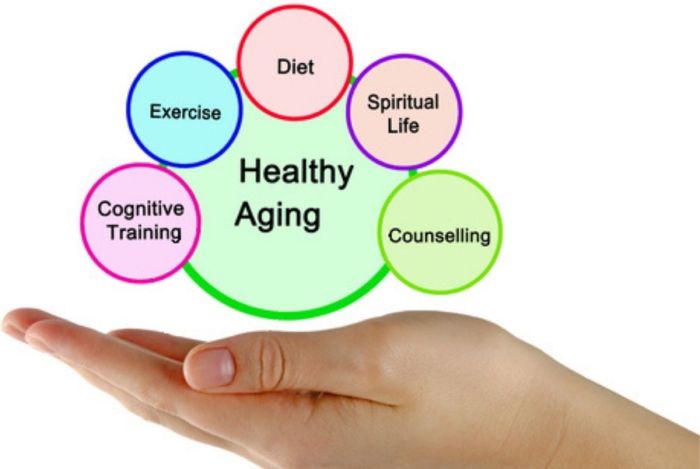
Healthy aging advice encompasses far more than just avoiding illness; it’s about proactively cultivating a vibrant and fulfilling life as we age. This guide explores key strategies for maintaining physical and mental well-being, empowering you to navigate the aging process with grace and resilience. We’ll delve into practical steps for optimizing nutrition, incorporating regular exercise, fostering strong social connections, and managing stress effectively.
From understanding the nutritional needs of older adults to developing coping mechanisms for stress and anxiety, this comprehensive resource offers a holistic approach to healthy aging. We will also address common concerns like depression, sleep disturbances, and addiction, providing valuable resources and support to help you or your loved ones thrive in their later years. The aim is to equip you with the knowledge and tools to enjoy a longer, healthier, and more meaningful life.
Nutrition for Healthy Aging
Maintaining a balanced and nutritious diet is crucial for healthy aging, supporting physical function, cognitive health, and overall well-being as we age. A well-planned diet can help prevent age-related diseases and improve quality of life. This section will Artikel key nutritional considerations for older adults.
Dietary Guidelines for Older Adults
A balanced diet for older adults should emphasize nutrient-dense foods, prioritizing whole grains, fruits, vegetables, lean proteins, and healthy fats. Portion sizes may need adjustment based on individual caloric needs, which often decrease with age and reduced activity levels. It’s important to focus on the nutritional value of food rather than simply the quantity. This approach ensures the body receives the necessary vitamins, minerals, and antioxidants to support various bodily functions.
Consuming a variety of foods helps ensure a broad range of nutrients are obtained.
Hydration and Fluid Intake
Adequate hydration is essential for maintaining bodily functions, including digestion, temperature regulation, and nutrient transport. Older adults are often at increased risk of dehydration due to decreased thirst sensation and reduced kidney function. Strategies to ensure adequate fluid intake include keeping water readily available, drinking fluids throughout the day, and incorporating hydrating foods like fruits and vegetables into the diet.
Aim for at least eight glasses of water daily, but individual needs may vary depending on activity levels, climate, and overall health. Electrolyte-rich drinks can be beneficial during periods of increased sweating or illness.
Managing Dietary Challenges in Seniors
Many older adults face challenges such as difficulty chewing or swallowing (dysphagia). These challenges can significantly impact nutritional intake. Strategies for managing these difficulties include modifying food textures – pureeing or softening foods – and choosing foods that are easy to chew and swallow. Consulting a speech therapist or registered dietitian can provide personalized recommendations and support in managing dysphagia.
Smaller, more frequent meals may be more manageable than three large meals a day. Supplements may also be necessary in consultation with a healthcare professional to ensure adequate nutrient intake.
Weekly Meal Plan Example
This sample weekly meal plan incorporates a variety of food groups and considers common nutritional needs of older adults. Remember to adjust portion sizes based on individual caloric requirements and preferences. Consult a healthcare professional or registered dietitian for personalized dietary advice.
| Day | Breakfast | Lunch | Dinner |
|---|---|---|---|
| Monday | Oatmeal with berries and nuts | Chicken salad sandwich on whole-wheat bread with a side salad | Baked salmon with roasted vegetables |
| Tuesday | Scrambled eggs with spinach and whole-wheat toast | Lentil soup with a whole-wheat roll | Lean ground beef stir-fry with brown rice |
| Wednesday | Yogurt with granola and fruit | Tuna salad with crackers and a side of fruit | Chicken breast with mashed sweet potatoes and green beans |
| Thursday | Whole-wheat pancakes with fruit and syrup | Leftover chicken breast with a side salad | Vegetarian chili with cornbread |
| Friday | Breakfast burrito with eggs, beans, and vegetables | Turkey and avocado sandwich on whole-wheat bread | Baked cod with quinoa and steamed broccoli |
| Saturday | French toast with berries | Leftover vegetarian chili | Roast chicken with roasted potatoes and carrots |
| Sunday | Omelet with vegetables and cheese | Salad with grilled chicken or chickpeas | Pasta with marinara sauce and vegetables |
Nutritional Comparison of Foods
The following table compares the nutritional benefits of various food groups. These values are approximate and can vary depending on the specific type and preparation method.
| Food Group | Example | Key Nutrients | Benefits for Older Adults |
|---|---|---|---|
| Fruits | Berries, oranges, bananas | Vitamins C and A, fiber, potassium | Support immune function, digestive health, and blood pressure regulation. |
| Vegetables | Leafy greens, broccoli, carrots | Vitamins A, C, and K, folate, fiber | Support vision, bone health, and immune function. |
| Protein Sources | Fish, poultry, beans, lentils | Protein, iron, zinc, omega-3 fatty acids | Maintain muscle mass, support immune function, and promote heart health. |
Physical Activity and Exercise: Healthy Aging Advice
Maintaining a regular exercise routine is crucial for healthy aging. It significantly impacts both physical and cognitive well-being, helping older adults retain independence and enjoy a higher quality of life for longer. Consistent physical activity combats age-related decline and improves overall health outcomes.Regular exercise offers a multitude of benefits for older adults. Physically, it strengthens muscles and bones, improving balance and reducing the risk of falls – a major concern for seniors.
It also helps manage weight, lowers blood pressure and cholesterol, and improves cardiovascular health. Cognitively, exercise boosts blood flow to the brain, enhancing memory, attention, and cognitive processing speed. Studies have shown a strong correlation between regular physical activity and a reduced risk of developing age-related cognitive decline and dementia.
Sample Exercise Routine for Different Fitness Levels
This sample routine incorporates strength training, flexibility exercises, and cardiovascular activity, catering to various fitness levels. Beginners should start slowly, focusing on proper form over intensity, gradually increasing duration and intensity as fitness improves. Those with mobility limitations should consult their physician or a physical therapist before starting any new exercise program and adapt exercises as needed.
Beginner (Low Impact):
- Cardio: 10-15 minutes of brisk walking, chair exercises (arm raises, leg lifts), or water aerobics.
- Strength Training: 10-12 repetitions of chair squats, wall push-ups, and light weight lifting (using water bottles or resistance bands).
- Flexibility: 5-10 minutes of gentle stretching, focusing on major muscle groups like legs, arms, and back.
Intermediate (Moderate Impact):
- Cardio: 20-30 minutes of brisk walking, cycling, swimming, or dancing.
- Strength Training: 12-15 repetitions of squats, lunges, push-ups, and weight training using light to moderate weights.
- Flexibility: 10-15 minutes of yoga or Pilates.
Advanced (High Impact):
- Cardio: 30-45 minutes of running, hiking, swimming, or other vigorous activities.
- Strength Training: 15-20 repetitions of squats, lunges, push-ups, and weight training using moderate to heavy weights.
- Flexibility: 15-20 minutes of yoga, Pilates, or other advanced flexibility exercises.
Importance of Strength Training, Flexibility Exercises, and Cardiovascular Activities
Each type of exercise plays a vital role in healthy aging. Strength training builds and maintains muscle mass, crucial for preventing age-related muscle loss (sarcopenia) and maintaining independence. Flexibility exercises improve range of motion, reducing stiffness and the risk of injury. Cardiovascular activities improve heart health, blood flow, and overall fitness levels. A balanced program incorporating all three is ideal.
Low-Impact Exercises for Seniors
Many exercises are safe and effective for seniors, even those with mobility limitations. Prioritizing low-impact activities minimizes stress on joints and reduces the risk of injury.
- Walking: A simple yet effective way to improve cardiovascular health and maintain mobility.
- Water Aerobics: The buoyancy of water supports joints, making it ideal for those with arthritis or other joint conditions.
- Chair Yoga: Modified yoga poses performed while seated provide flexibility and strength benefits without requiring standing.
- Tai Chi: Gentle, flowing movements improve balance, coordination, and flexibility.
- Cycling (stationary or outdoor): Provides cardiovascular benefits with minimal joint stress.
Incorporating Physical Activity into Daily Routines
Integrating exercise into daily life doesn’t require drastic changes. Simple adjustments can make a significant difference. Taking the stairs instead of the elevator, walking or cycling instead of driving short distances, and incorporating short bursts of activity throughout the day can all contribute to overall physical activity. For example, a 10-minute walk after lunch, a few minutes of stretching before bed, or engaging in household chores can all add up to a healthier lifestyle.
Even small increases in daily activity can yield substantial health benefits over time.
Social Engagement and Cognitive Stimulation
Maintaining strong social connections and engaging in mentally stimulating activities are crucial for healthy aging. These factors significantly impact mental well-being, reducing the risk of cognitive decline and promoting a higher quality of life in later years. Social isolation, on the other hand, is linked to increased rates of depression, anxiety, and even physical health problems. Therefore, prioritizing social engagement and cognitive stimulation is a vital aspect of a holistic approach to healthy aging.
The Importance of Social Connections for Mental Well-being
Strong social connections provide a sense of belonging, purpose, and support, all of which are vital for mental health. Regular interaction with friends, family, and community members combats feelings of loneliness and isolation, which are particularly prevalent among older adults. The emotional support derived from these connections acts as a buffer against stress and helps maintain a positive outlook on life.
Studies have consistently shown a correlation between strong social networks and improved cognitive function, reduced risk of dementia, and increased longevity. Maintaining these connections isn’t merely about socializing; it’s about fostering a sense of community and shared experience.
Activities Promoting Social Interaction and Reducing Isolation
Numerous activities can foster social interaction and combat feelings of isolation. Joining a senior center offers opportunities for group activities, such as games, crafts, and social gatherings. Volunteering provides a sense of purpose and connects individuals with others who share similar interests. Participating in group classes, whether it’s a fitness class, a book club, or a language course, creates opportunities for social interaction within a structured setting.
Simply spending time with loved ones, whether through regular visits, phone calls, or video chats, significantly contributes to social well-being. Regular attendance at religious services or community events also provides opportunities for social connection and shared experiences.
Strategies for Maintaining Cognitive Engagement
Staying mentally engaged is equally important for healthy aging. Learning new skills, such as a new language, a musical instrument, or a craft, challenges the brain and promotes cognitive flexibility. Engaging in mentally stimulating activities, such as puzzles, brain games, and reading, keeps the mind active and sharp. Participating in intellectually stimulating discussions, whether through book clubs, debates, or simply engaging in conversations with others, helps maintain cognitive function.
Taking up a new hobby, such as gardening, painting, or photography, provides a creative outlet and stimulates different parts of the brain. Regular participation in these activities helps maintain cognitive reserve, enhancing the brain’s ability to cope with age-related changes.
A Plan for Engaging in Social Activities
A personalized plan for social engagement should consider individual interests and abilities. Start by identifying activities that align with personal preferences and physical capabilities. Gradually increase the frequency and intensity of social activities to avoid feeling overwhelmed. Seek out activities that offer a balance of structured and unstructured time, allowing for both social interaction and periods of relaxation.
Consider joining a group or club that caters to specific interests, such as a hiking group, a choir, or a knitting circle. Don’t be afraid to try new things and explore different options until you find activities that bring enjoyment and a sense of fulfillment. It’s important to remember that consistency is key; regular participation is more beneficial than sporadic involvement.
Resources for Finding Social Groups and Activities
Finding social groups and activities tailored to seniors is easier than ever.
- Senior Centers: Most communities offer senior centers with a wide range of programs and activities.
- Community Colleges: Many community colleges offer courses and workshops suitable for older adults.
- Religious Organizations: Churches, synagogues, and other religious institutions often have social groups and activities.
- Volunteer Organizations: Volunteering provides social interaction and a sense of purpose.
- Online Resources: Websites and social media groups dedicated to senior activities can be valuable resources.
- Local Libraries: Libraries frequently host book clubs, lectures, and other events.
Stress and Anxiety Management
Stress and anxiety are common experiences, but their impact can be particularly significant for older adults. Effectively managing these emotions is crucial for maintaining overall well-being and enjoying a fulfilling later life. This section explores practical coping mechanisms, relaxation techniques, and strategies for building resilience.
Effective Coping Mechanisms for Stress and Anxiety
Managing stress and anxiety involves a multifaceted approach. It’s not about eliminating stress entirely – which is often impossible – but rather about developing healthy ways to respond to it. This includes identifying personal stressors, understanding their impact, and implementing strategies to mitigate their negative effects. Regular physical activity, a balanced diet, and sufficient sleep are fundamental cornerstones of stress management.
Additionally, setting realistic expectations, prioritizing tasks, and learning to say “no” to overwhelming commitments can significantly reduce daily stress levels. Seeking social support from family, friends, or support groups provides valuable emotional buffering and reduces feelings of isolation.
Relaxation Techniques: Deep Breathing and Meditation
Relaxation techniques offer powerful tools for calming the nervous system and reducing anxiety. Deep breathing exercises, for example, involve consciously slowing and deepening your breaths, focusing on the sensation of the breath entering and leaving your body. This simple practice can activate the parasympathetic nervous system, which helps to counter the effects of stress hormones. A common technique is to inhale deeply through your nose, hold for a few seconds, and exhale slowly through your mouth.
Repeating this cycle for several minutes can significantly reduce feelings of tension.Meditation, another effective relaxation technique, involves focusing your attention on a single point of reference, such as your breath, a mantra, or a visual image. Regular meditation practice can cultivate a sense of calm, improve focus, and reduce stress reactivity over time. Guided meditations, readily available through apps or online resources, can be particularly helpful for beginners.
For instance, a guided meditation might involve a soothing voice leading you through a visualization exercise, focusing on relaxing different parts of your body.
Building Resilience and Coping with Stressful Life Events
Building resilience involves cultivating the ability to bounce back from adversity. This is a crucial skill for navigating the challenges that life inevitably throws our way, particularly as we age. Developing strong social connections is vital; having a supportive network provides emotional support and practical assistance during difficult times. Maintaining a positive outlook and practicing gratitude, focusing on what is good in your life, can shift perspective and foster a more optimistic mindset.
Problem-solving skills are also essential; learning to break down complex problems into smaller, manageable steps can reduce feelings of overwhelm. Seeking professional help from a therapist or counselor is not a sign of weakness but rather a proactive step towards improving mental well-being. They can provide guidance and support in developing coping strategies tailored to individual needs.
Benefits of Mindfulness Practices for Stress Reduction
Mindfulness practices, which involve paying attention to the present moment without judgment, offer numerous benefits for stress reduction and improved mental well-being. Mindfulness meditation, for example, cultivates awareness of thoughts, feelings, and sensations without getting carried away by them. This non-reactive approach helps to reduce the intensity of emotional responses to stress. Studies have shown that regular mindfulness practice can reduce cortisol levels (the stress hormone), improve sleep quality, and enhance emotional regulation.
It also fosters self-compassion, allowing individuals to treat themselves with kindness and understanding during challenging times. Mindfulness can be integrated into daily life through simple practices such as mindful eating, mindful walking, or simply paying attention to the sensations of your breath throughout the day.
A Step-by-Step Guide to Practicing Mindfulness Meditation
- Find a quiet space where you can sit or lie down comfortably.
- Close your eyes gently.
- Bring your attention to your breath, noticing the sensation of the air entering and leaving your body.
- Notice the rise and fall of your chest or abdomen.
- As you focus on your breath, your mind will likely wander. Gently redirect your attention back to your breath each time this happens, without judgment.
- Continue this practice for 5-10 minutes, gradually increasing the duration as you become more comfortable.
- When you’re ready, slowly open your eyes and gently return to your surroundings.
Depression Support Resources
Depression is a significant concern among older adults, often overlooked or misattributed to other age-related changes. Recognizing the signs and accessing appropriate support is crucial for maintaining well-being and quality of life in later years. Understanding the available resources and treatment options can empower individuals and their families to navigate this challenging experience effectively.
Common Signs and Symptoms of Depression in Older Adults
Depression in older adults may manifest differently than in younger populations. While sadness and loss of interest are common, other symptoms such as physical complaints (unexplained aches and pains, fatigue), memory problems, social withdrawal, and changes in sleep patterns can also be indicative of depression. It’s important to note that these symptoms can overlap with other age-related health issues, making accurate diagnosis crucial.
A thorough assessment by a healthcare professional is essential to differentiate between age-related changes and depression.
Available Support Groups and Community Resources
Many community-based organizations and senior centers offer support groups specifically designed for older adults experiencing depression. These groups provide a safe and supportive environment for sharing experiences, learning coping mechanisms, and connecting with others facing similar challenges. Local hospitals and mental health clinics often have information about these groups and can provide referrals. Additionally, many faith-based organizations and community centers offer counseling services and support networks.
Online support groups also provide a convenient option for those who may find it difficult to attend in-person meetings. These virtual communities offer anonymity and accessibility, allowing individuals to connect with others from the comfort of their homes.
The Importance of Seeking Professional Help and Available Treatment Options
Seeking professional help for depression is vital. Untreated depression can lead to significant health complications, including increased risk of chronic illnesses and reduced life expectancy. Treatment options vary depending on individual needs and may include psychotherapy (such as cognitive behavioral therapy or interpersonal therapy), medication (antidepressants), or a combination of both. A healthcare professional can assess the severity of depression and recommend the most appropriate course of action.
Early intervention is key to improving outcomes and preventing the worsening of symptoms.
Contact Information for Relevant Mental Health Organizations and Helplines
Several national and international organizations provide resources and support for individuals experiencing depression. Examples include the National Institute of Mental Health (NIMH) in the United States, offering extensive information and resources online. Similarly, organizations like the Alzheimer’s Association offer support for individuals and families dealing with depression alongside dementia. Many countries have dedicated helplines offering immediate support and crisis intervention.
These helplines provide a confidential and accessible avenue for individuals to seek help when needed. It’s crucial to research the resources available in your specific geographic location to find the most appropriate and accessible support.
A Brochure Outlining Various Avenues for Depression Support
[Imagine a tri-fold brochure. The front panel would feature a calming image, perhaps a sunrise over a peaceful landscape, and the title: “Finding Hope: Support for Depression in Older Adults.” The inside left panel would list common symptoms of depression in older adults, with clear and concise descriptions to aid recognition. The inside right panel would feature a list of resources, including contact information for local senior centers, mental health organizations, and national helplines.
The back panel would provide a brief message of encouragement and hope, emphasizing the importance of seeking help and the availability of support. The brochure would be designed in a clear, easy-to-read font with a calming color scheme.]
Mindfulness Practices
Mindfulness, at its core, is the practice of paying attention to the present moment without judgment. It involves cultivating awareness of your thoughts, feelings, bodily sensations, and the environment around you, accepting them without trying to change or suppress them. This practice, far from being passive, actively strengthens your ability to manage stress, regulate emotions, and improve overall well-being.
It’s about creating space between your reactions and your experiences, fostering a sense of calm and clarity.Mindfulness cultivates a non-judgmental awareness of your internal and external experiences. It’s not about emptying your mind or achieving a state of perfect tranquility; rather, it’s about acknowledging whatever arises in your awareness – thoughts, feelings, sensations – without getting carried away by them.
This allows you to respond to situations with greater clarity and composure, rather than reacting automatically. Regular practice can lead to significant improvements in emotional regulation and stress management.
Mindfulness Techniques
Several techniques can facilitate the development of mindfulness. These practices are accessible to individuals of all ages and backgrounds and can be easily incorporated into daily routines. Consistent engagement with these techniques is key to reaping their benefits.
- Body Scan Meditation: This involves systematically bringing awareness to different parts of your body, noticing sensations without judgment. You might start with your toes, noticing any tingling, warmth, or tension, then slowly move your attention upwards, through your legs, torso, arms, and head. This practice helps to ground you in the present moment and increase body awareness.
- Mindful Walking: Instead of rushing through your day, pay close attention to the physical sensations of walking. Notice the feeling of your feet on the ground, the movement of your legs, the rhythm of your breath. Observe your surroundings without getting lost in thought. This simple act can transform a mundane activity into a mindful experience.
- Mindful Breathing: This foundational practice involves focusing your attention on the sensation of your breath entering and leaving your body. Notice the rise and fall of your chest or abdomen, the coolness of the air as it enters your nostrils, and the warmth as it leaves. When your mind wanders, gently redirect your attention back to your breath.
Benefits of Mindfulness for Stress and Emotional Regulation
Incorporating mindfulness into your daily routine offers numerous benefits, particularly in managing stress and regulating emotions. By cultivating present moment awareness, you can interrupt the cycle of negative thought patterns and emotional reactivity. This increased self-awareness allows you to observe your emotions without judgment, reducing their intensity and preventing them from overwhelming you. Studies have shown that regular mindfulness practice can lower cortisol levels (the stress hormone) and improve overall emotional well-being.
Guided Meditation Script for Relaxation and Anxiety Reduction
Find a comfortable position, either sitting or lying down. Close your eyes gently. Begin to notice your breath, the natural rhythm of inhaling and exhaling. As you breathe in, feel the air filling your lungs, expanding your chest and abdomen. As you breathe out, feel the air leaving your body, releasing any tension you may be holding.Now, bring your attention to your body.
Notice any sensations, without judgment. You might feel warmth, coolness, tingling, or pressure. Simply acknowledge these sensations without trying to change them.Let your thoughts come and go, like clouds drifting across the sky. Don’t try to stop them; simply observe them without getting caught up in their stories.If your mind wanders, gently guide your attention back to your breath.
Continue to breathe deeply and evenly, allowing yourself to relax more and more with each breath.Repeat silently to yourself: “I am safe. I am calm. I am present.”Continue this practice for 5-10 minutes, or as long as feels comfortable. When you’re ready, slowly bring your awareness back to your surroundings, gently opening your eyes.
Mindful Breathing Exercise: Visual Representation
Imagine a large, clear glass bowl filled with water. The water is calm and still, reflecting the light. Your breath is like a gentle breeze blowing across the surface of the water. As you inhale, imagine a single ripple expanding outwards from the center of the bowl. As you exhale, watch the ripple gently subside, returning the water to its calm state.
Focus on the smooth, continuous movement of the ripples, mirroring the natural rhythm of your breath. The bowl represents your body, and the water represents your mind. The gentle ripples symbolize your breath, continuously calming and restoring inner peace. Observe the ripples without judgment, allowing them to naturally expand and contract.
Mental Health Advocacy
Championing mental well-being requires a multifaceted approach, encompassing awareness, stigma reduction, community engagement, and policy reform. Advocating for improved mental healthcare is crucial for fostering a society that values and supports the mental health of all its members. This involves actively working to change attitudes, improve access to services, and create supportive environments.
The Importance of Mental Health Awareness and Stigma Reduction
Raising awareness about mental health conditions is paramount in dismantling the stigma that often prevents individuals from seeking help. Stigma creates barriers to treatment, leading to delayed diagnosis, inadequate care, and poorer outcomes. Effective awareness campaigns utilize various channels to educate the public about mental illness, its prevalence, and the availability of effective treatments. This includes dispelling misconceptions and promoting understanding through open conversations and relatable personal stories.
For example, campaigns featuring celebrities openly discussing their mental health journeys have proven highly effective in normalizing the experience and encouraging others to seek support.
Promoting Mental Health in Communities and Workplaces
Creating supportive environments in both communities and workplaces is essential for fostering mental well-being. Community initiatives can involve organizing mental health workshops, establishing peer support groups, and partnering with local organizations to provide accessible resources. In the workplace, implementing mental health policies that prioritize employee well-being, such as providing access to Employee Assistance Programs (EAPs) and promoting a culture of open communication, can significantly improve mental health outcomes.
Companies like Google and Microsoft have invested heavily in employee wellness programs, demonstrating a commitment to supporting their workforce’s mental health.
The Role of Policy and Legislation in Supporting Mental Health Initiatives
Policy and legislation play a critical role in shaping mental health services and access. Policies that increase funding for mental health research, expand access to affordable treatment, and implement parity laws (ensuring equal coverage for mental and physical healthcare) are vital for improving mental health outcomes. The Mental Health Parity and Addiction Equity Act of 2008 in the United States, for instance, mandated that group health plans offer mental health and substance use disorder benefits comparable to medical and surgical benefits.
This legislation has had a significant impact on access to care for millions of Americans.
Key Organizations Involved in Mental Health Advocacy and Their Activities, Healthy aging advice
Numerous organizations dedicate themselves to mental health advocacy. The National Alliance on Mental Illness (NAMI) in the United States, for example, provides support, education, and advocacy to individuals and families affected by mental illness. The World Health Organization (WHO) plays a global role in setting standards, providing guidance, and promoting mental health worldwide. These organizations engage in various activities, including lobbying for policy changes, raising public awareness, providing educational resources, and funding research.
Their collaborative efforts contribute significantly to advancing mental health globally.
A Social Media Campaign Promoting Mental Health Awareness
A social media campaign could utilize the hashtag #MindMatters to encourage open conversations about mental health. The campaign could feature short videos with personal stories from individuals sharing their experiences, infographics explaining common mental health conditions and their treatments, and links to relevant resources. Regular posts could include tips for self-care, stress management techniques, and information about local support groups.
The campaign would actively engage with users, responding to comments and questions, and promoting a supportive and inclusive online community. The visual elements of the campaign could feature bright, positive imagery to counter the often-negative stereotypes associated with mental illness.
Therapy and Counseling Options
As we age, navigating the complexities of life can sometimes lead to emotional challenges. Therapy and counseling offer valuable support in addressing these concerns and improving overall well-being. Various therapeutic approaches cater to diverse needs and preferences, making professional help accessible to older adults facing a wide range of mental health issues.
Therapy for older adults encompasses a broad spectrum of approaches designed to address specific mental health concerns. These methods aim to improve emotional regulation, coping mechanisms, and overall mental health. Finding the right fit is crucial, and understanding the available options empowers individuals to make informed decisions about their care.
Types of Therapy for Older Adults
Several types of therapy prove effective for older adults. Cognitive Behavioral Therapy (CBT) focuses on identifying and changing negative thought patterns and behaviors. Talk therapy, or psychodynamic therapy, explores past experiences and their impact on current emotions and relationships. Other approaches include Acceptance and Commitment Therapy (ACT), focusing on accepting difficult emotions and committing to valued actions; and interpersonal therapy, which concentrates on improving relationships and communication skills.
The choice of therapy often depends on individual needs and the specific mental health concern.
Finding Qualified Therapists and Counselors
Locating a qualified therapist specializing in geriatric mental health requires careful consideration. Several resources can assist in this process. Online directories, such as those maintained by professional organizations like the American Psychological Association (APA) or the National Association of Social Workers (NASW), provide searchable databases of licensed therapists. Referrals from primary care physicians, senior centers, or local hospitals can also be invaluable.
It is crucial to verify a therapist’s credentials, experience with older adults, and insurance coverage before scheduling an initial appointment.
Benefits of Seeking Professional Therapeutic Support
Seeking professional therapeutic support offers numerous benefits for older adults. Therapy can provide a safe and confidential space to process emotions, develop coping strategies, and improve overall mental well-being. It can help manage symptoms of depression, anxiety, grief, and other mental health conditions. Furthermore, therapy can enhance self-esteem, improve relationships, and foster a greater sense of purpose and meaning in life.
Early intervention is often key to successful outcomes, preventing minor issues from escalating into more significant problems.
Accessing Mental Health Services and Navigating Insurance Coverage
Accessing mental health services typically involves an initial consultation to assess needs and determine the appropriate treatment plan. Many therapists offer phone or video consultations for initial assessments. Insurance coverage for mental health services varies widely, depending on the plan and provider. It’s essential to contact your insurance provider to understand your coverage, including co-pays, deductibles, and the process for obtaining pre-authorization for services.
Many therapists offer sliding-scale fees to make their services more accessible to those with limited financial resources.
Comparison of Therapeutic Approaches
The effectiveness of different therapeutic approaches can vary depending on the individual and their specific mental health condition. The following table provides a general comparison; however, individual experiences may differ.
| Therapeutic Approach | Focus | Effective for | Potential Limitations |
|---|---|---|---|
| Cognitive Behavioral Therapy (CBT) | Identifying and changing negative thought patterns and behaviors | Depression, anxiety, PTSD | May require significant self-reflection and effort; not always suitable for all individuals. |
| Talk Therapy (Psychodynamic Therapy) | Exploring past experiences and their impact on current emotions and relationships | Depression, anxiety, relationship issues | Can be a lengthy process; may not be suitable for individuals seeking immediate symptom relief. |
| Acceptance and Commitment Therapy (ACT) | Accepting difficult emotions and committing to valued actions | Anxiety, chronic pain, stress | Requires a willingness to accept difficult emotions; may not be suitable for individuals who prefer problem-solving approaches. |
| Interpersonal Therapy (IPT) | Improving relationships and communication skills | Depression, grief, relationship problems | Focuses primarily on relationships; may not address underlying psychological issues. |
Building Resilience
Resilience is the ability to bounce back from adversity, to cope with stress, and to adapt to change. It’s not about avoiding hardship, but about developing the skills and mindset to navigate challenges effectively and emerge stronger. Building resilience is crucial for healthy aging, enabling individuals to maintain well-being in the face of inevitable age-related changes and life’s unexpected turns.Resilience involves a complex interplay of factors, including psychological resources, social support, and physical health.
Individuals with high resilience tend to possess a positive outlook, strong coping mechanisms, and a sense of self-efficacy – the belief in their ability to succeed. This inner strength allows them to view setbacks as opportunities for growth and learning rather than insurmountable obstacles.
Developing a Strong Support System
A strong support network acts as a buffer against stress and adversity. Meaningful connections with family, friends, and community members provide emotional support, practical assistance, and a sense of belonging. Regular interaction with loved ones can significantly improve resilience by fostering feelings of security and reducing feelings of isolation. Actively nurturing these relationships through consistent communication and shared activities is essential.
Practicing Self-Compassion
Self-compassion involves treating oneself with kindness, understanding, and acceptance, especially during difficult times. It’s about recognizing that everyone makes mistakes and experiences setbacks, and that these experiences are a normal part of life. Instead of self-criticism, self-compassion encourages self-soothing and focusing on self-care. Techniques like mindfulness meditation can help cultivate self-compassion by promoting self-awareness and acceptance.
Overcoming Adversity and Bouncing Back from Setbacks
Overcoming adversity often requires a proactive approach. This involves identifying the problem, breaking it down into manageable steps, and seeking support when needed. For example, facing a health challenge might involve researching treatment options, joining a support group, and focusing on achievable daily goals rather than being overwhelmed by the overall situation. Celebrating small victories along the way helps maintain motivation and reinforces a sense of accomplishment.
The Role of Positive Self-Talk and Optimistic Thinking
Positive self-talk and optimistic thinking are powerful tools for building resilience. Replacing negative self-statements with positive affirmations can significantly improve mood and motivation. For instance, instead of thinking “I’ll never overcome this,” one might focus on “I can handle this one step at a time.” Cultivating optimism involves focusing on potential solutions and positive outcomes rather than dwelling on problems.
Practicing gratitude, by regularly acknowledging things one is thankful for, can further enhance positive thinking.
Identifying Personal Strengths and Resources
The following exercise can help identify personal strengths and resources:
| Strength Category | Specific Examples | How This Strength Helps Me Cope |
|---|---|---|
| Emotional Strengths | (e.g., empathy, patience, humor) | (e.g., helps me connect with others, manage difficult situations) |
| Intellectual Strengths | (e.g., problem-solving skills, creativity, critical thinking) | (e.g., helps me find solutions, approach challenges strategically) |
| Physical Strengths | (e.g., physical endurance, healthy habits) | (e.g., provides energy, reduces stress) |
| Social Strengths | (e.g., strong relationships, social skills) | (e.g., provides support, reduces feelings of isolation) |
| Spiritual Strengths | (e.g., faith, values, sense of purpose) | (e.g., provides meaning and hope) |
This exercise encourages self-reflection and helps individuals recognize their existing coping mechanisms and resources, fostering a sense of self-efficacy and empowering them to navigate future challenges more effectively.
Embracing healthy aging is a journey of continuous growth and self-discovery. By prioritizing physical activity, nourishing nutrition, strong social connections, and effective stress management, you can significantly enhance your quality of life as you age. Remember that seeking professional support when needed is a sign of strength, not weakness. This guide provides a framework for a healthier, happier future; take control of your well-being and embark on this enriching path toward a vibrant and fulfilling life.
User Queries
What are some common signs of age-related cognitive decline?
Common signs include memory loss, difficulty with problem-solving, changes in mood or personality, and challenges with language or communication.
How can I improve my sleep hygiene as I age?
Establish a regular sleep schedule, create a relaxing bedtime routine, ensure a comfortable sleep environment (dark, quiet, cool), and avoid caffeine and alcohol before bed.
Are there specific exercises recommended for seniors with arthritis?
Low-impact exercises like swimming, water aerobics, walking, and chair yoga are often recommended, always consulting a doctor before starting a new routine.
What are some resources for finding senior-friendly social activities?
Local senior centers, community centers, churches, and online groups often offer a variety of activities catering to different interests and abilities.


