Exercise for Chronic Illness Patients
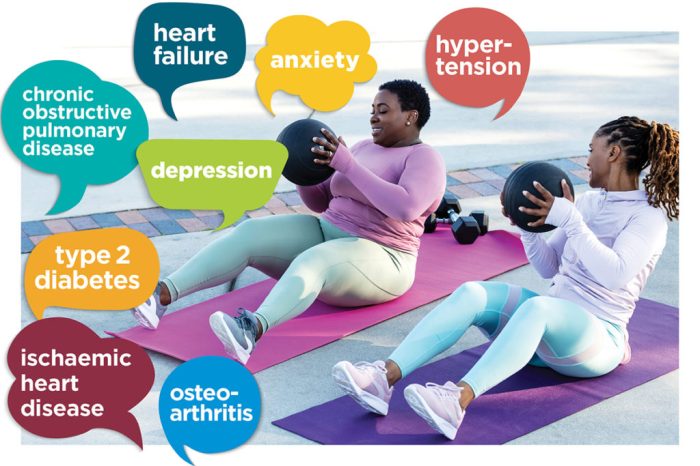
Exercise for chronic illness patients is a crucial aspect of holistic healthcare, significantly impacting both physical and mental well-being. This exploration delves into the types of exercise suitable for various conditions, outlining safe and effective programs tailored to individual needs and abilities. We’ll examine the benefits, precautions, and strategies for incorporating exercise into a lifestyle managing chronic illness, emphasizing the importance of collaboration with healthcare professionals.
The following sections detail the design of personalized exercise programs, considering factors such as disease type, fitness level, and potential limitations. We’ll also address the vital role of stress management, mental health support, and building resilience in managing chronic conditions. This comprehensive guide aims to empower individuals to actively participate in their health journey, improving quality of life and overall well-being.
Stress and Anxiety Management Techniques for Chronic Illness Patients
Living with a chronic illness can significantly impact mental well-being, often leading to increased stress and anxiety. Effective management strategies are crucial for improving quality of life. This section explores several techniques proven beneficial for managing these challenges.
Relaxation Techniques: Deep Breathing and Progressive Muscle Relaxation
Relaxation techniques offer practical tools to counteract the physiological effects of stress. These methods can be learned and practiced independently, offering immediate relief and long-term benefits.
- Deep Breathing Exercises: Deep, slow breaths activate the parasympathetic nervous system, which counteracts the “fight-or-flight” response. A simple technique involves inhaling deeply through your nose, holding for a few seconds, and exhaling slowly through your mouth. Repeating this for 5-10 minutes can significantly reduce feelings of anxiety. Focus on the sensation of the breath entering and leaving your body, noticing the rise and fall of your chest or abdomen.
Regular practice enhances the effectiveness of this technique.
- Progressive Muscle Relaxation: This technique involves systematically tensing and releasing different muscle groups in the body. Starting with the toes, tense a muscle group for a few seconds, noticing the tension, then release, focusing on the feeling of relaxation. Continue this process, moving up the body, through the feet, calves, thighs, abdomen, chest, shoulders, arms, hands, neck, and face. This methodical approach helps release physical tension associated with stress and anxiety, promoting a sense of overall calmness.
Guided Imagery Scripts for Stress Reduction
Guided imagery uses visualization to create a calming and restorative mental experience. By focusing on positive and peaceful images, individuals can reduce stress hormones and promote relaxation. The effectiveness of guided imagery is enhanced by regular practice and the use of evocative language.
Example 1: Imagine yourself on a peaceful beach. Feel the warm sun on your skin, the gentle breeze in your hair, and the soft sand beneath your feet. Hear the soothing sound of the waves crashing against the shore. Notice the calming blue of the ocean and the clear blue sky above. Breathe deeply, allowing the peace and tranquility of this scene to wash over you.
Example 2: Picture yourself in a lush forest, surrounded by towering trees and vibrant green foliage. Inhale the fresh, clean air, and feel the cool shade on your skin. Hear the gentle rustling of leaves and the soft chirping of birds. Feel a sense of calm and serenity wash over you as you connect with the natural beauty of your surroundings.
Yoga and Meditation for Stress and Anxiety Management
Yoga and meditation offer holistic approaches to stress and anxiety management, integrating physical postures, breathing techniques, and mindfulness practices. These practices have demonstrated effectiveness in reducing stress hormones, improving mood, and enhancing overall well-being.
Yoga combines physical postures (asanas), breathing exercises (pranayama), and meditation to promote physical and mental relaxation. The physical postures improve flexibility and strength, while the breathing exercises and meditation help calm the mind and reduce stress. Different styles of yoga cater to various fitness levels and preferences.
Meditation involves focusing the mind on a single point of reference, such as the breath, a mantra, or a visual image. Regular meditation practice strengthens the ability to focus attention, reduce mind-wandering, and cultivate a sense of inner peace and calm. Mindfulness meditation, in particular, encourages non-judgmental observation of thoughts and feelings, promoting emotional regulation and stress reduction.
Studies have shown that both yoga and meditation can significantly reduce symptoms of anxiety and depression in individuals with chronic illnesses.
Depression Support Resources and Strategies
Living with a chronic illness can significantly increase the risk of depression. It’s crucial to understand that seeking help is a sign of strength, not weakness. Numerous resources are available to provide support and guidance in managing depressive symptoms. This section Artikels some key resources and strategies that can be beneficial.
Depression, characterized by persistent sadness, loss of interest, and changes in sleep or appetite, can be profoundly challenging. However, effective strategies and support systems can significantly improve the quality of life for individuals experiencing these symptoms.
Reputable Organizations and Online Resources
Accessing reliable information and support networks is essential for managing depression. The following organizations and online platforms offer valuable resources and assistance:
- The National Institute of Mental Health (NIMH): Provides comprehensive information on depression, including symptoms, diagnosis, treatment options, and research findings. They offer a wealth of educational materials and links to other relevant resources.
- The Depression and Bipolar Support Alliance (DBSA): Offers peer-to-peer support groups, educational materials, and advocacy for individuals and families affected by mood disorders. Their website and local chapters provide a sense of community and understanding.
- The Substance Abuse and Mental Health Services Administration (SAMHSA): A U.S. government agency that provides information and resources on mental health and substance abuse disorders. They offer a national helpline and online tools to find treatment facilities.
- MentalHealth.gov: A website run by the U.S. government that provides a central hub for mental health information, including resources on depression, treatment options, and finding local providers.
- The American Psychological Association (APA): Offers a directory of psychologists and other mental health professionals, along with information on various mental health conditions and treatments. They provide resources for both patients and professionals.
Cognitive Behavioral Therapy (CBT) Techniques
Cognitive Behavioral Therapy (CBT) is a widely used and effective approach for managing depression. It focuses on identifying and changing negative thought patterns and behaviors that contribute to depressive symptoms.
CBT techniques involve:
- Identifying negative thought patterns: Learning to recognize and challenge automatic negative thoughts (ANTs) – those fleeting, often unconscious, thoughts that contribute to negative feelings.
- Cognitive restructuring: Replacing negative thoughts with more balanced and realistic ones. This involves examining the evidence for and against negative beliefs.
- Behavioral activation: Engaging in activities that bring pleasure or a sense of accomplishment, even when motivation is low. This helps break the cycle of inactivity and withdrawal often associated with depression.
- Problem-solving skills training: Developing strategies for addressing challenges and overcoming obstacles in a more effective manner. This can help reduce feelings of helplessness and hopelessness.
Building a Strong Support System
Having a strong support system is vital for navigating the challenges of depression. This involves cultivating relationships with people who offer understanding, encouragement, and practical assistance.
Strategies for building a strong support system include:
- Connecting with loved ones: Sharing your feelings and experiences with trusted family members or friends. Open communication can help reduce feelings of isolation and increase emotional support.
- Joining support groups: Connecting with others who understand what you’re going through. Support groups provide a safe space to share experiences and receive peer support.
- Seeking professional help: Therapists, counselors, and psychiatrists can provide guidance, support, and evidence-based treatment for depression. They can offer tools and techniques to manage symptoms and improve overall well-being.
- Engaging in self-care activities: Prioritizing activities that promote physical and emotional well-being, such as exercise, healthy eating, mindfulness practices, and hobbies. These activities can help improve mood and resilience.
Mindfulness Practices for Improved Well-being

Mindfulness, the practice of paying attention to the present moment without judgment, offers a powerful tool for managing the challenges associated with chronic illness. By cultivating awareness of thoughts, feelings, and bodily sensations, individuals can develop a greater sense of control and reduce the impact of chronic pain and emotional distress. This section explores various mindfulness techniques and provides a practical guide for integrating them into daily life.Mindfulness techniques offer a path towards improved emotional regulation and pain management for those living with chronic illness.
By focusing on the present, individuals can interrupt the cycle of negative thought patterns and reduce the intensity of physical discomfort. This approach fosters a sense of calm and acceptance, contributing to overall well-being.
Mindful Walking
Mindful walking involves paying close attention to the physical sensations of walking. Notice the feeling of your feet making contact with the ground, the movement of your legs, and the rhythm of your breath. This simple practice can ground you in the present moment and reduce racing thoughts. Focus on the details – the temperature of the air on your skin, the sounds around you, the feeling of the sun or wind.
Even a short walk can be a powerful mindfulness exercise.
Body Scan Meditation
Body scan meditation is a guided meditation where you systematically bring awareness to different parts of your body. Starting with your toes, you slowly move your attention upwards, noticing any sensations without judgment. This can help you become more aware of tension or pain in your body, allowing you to approach it with acceptance and compassion rather than resistance.
The process typically involves focusing on each body part for a short period, noticing sensations like warmth, coolness, tingling, or pressure. This increased body awareness can help in managing pain and stress.
Step-by-Step Guide to Incorporating Mindfulness into Daily Routines
Incorporating mindfulness into your daily life doesn’t require hours of dedicated practice. Start small and gradually increase the duration and frequency of your practice.
- Start with short sessions: Begin with just 5-10 minutes of mindful practice each day. You can gradually increase the duration as you become more comfortable.
- Find a quiet space: Choose a comfortable and quiet space where you won’t be interrupted.
- Focus on your breath: Pay attention to the natural rhythm of your breath—the rise and fall of your chest or abdomen. If your mind wanders, gently redirect your attention back to your breath.
- Expand your awareness: Gradually expand your awareness to include other senses, such as sounds, smells, and tactile sensations. Notice these sensations without judgment.
- Practice regularly: Consistency is key. Aim to practice mindfulness daily, even if it’s just for a few minutes.
- Be patient and kind to yourself: Mindfulness is a skill that takes time and practice to develop. Don’t get discouraged if your mind wanders. Simply acknowledge it and gently redirect your attention back to the present moment.
“Mindfulness isn’t about stopping thoughts; it’s about recognizing and accepting them without judgment.”
Mental Health Advocacy and Patient Empowerment
Living with a chronic illness often presents significant mental health challenges. Access to quality mental healthcare is crucial for managing these challenges and improving overall well-being. However, many patients face barriers to care, highlighting the critical need for patient advocacy and empowerment. Effective advocacy can lead to improved access to resources, better treatment, and a stronger voice for those navigating the complexities of chronic illness and mental health.Patient advocacy plays a vital role in bridging the gap between patients’ needs and available mental health resources.
It ensures that the voices of those directly impacted by chronic illness and mental health issues are heard and considered in policy decisions and service delivery. Through advocacy, individuals can influence change, advocate for better treatment options, and improve the overall mental healthcare system. This empowerment process leads to improved patient outcomes and a more equitable healthcare system.
Strategies for Advocating for Better Mental Health Care Policies
Effective advocacy requires a multi-pronged approach. Individuals can participate in local and national advocacy efforts by contacting elected officials, joining patient advocacy groups, and participating in public awareness campaigns. Sharing personal experiences can be particularly powerful in influencing policymakers and healthcare providers. Collaborating with healthcare professionals and researchers is also essential for developing evidence-based advocacy strategies. By working together, patients, healthcare professionals, and policymakers can create a more supportive and effective mental healthcare system.
Examples of Successful Patient Advocacy Initiatives, Exercise for chronic illness patients
Numerous successful patient advocacy initiatives demonstrate the power of collective action. For example, the work of the National Alliance on Mental Illness (NAMI) has significantly improved public awareness and access to mental healthcare resources. Their advocacy efforts have led to policy changes at both the state and federal levels, resulting in increased funding for mental health services and improved access to care.
Similarly, patient-led organizations focused on specific chronic illnesses have successfully advocated for the inclusion of mental health services in comprehensive care plans. These initiatives highlight the effectiveness of patient-led advocacy in driving positive change within the healthcare system. These successes demonstrate the potential for individual and collective action to create meaningful change in the mental healthcare landscape for those living with chronic illnesses.
Therapy and Counseling Options for Chronic Illness
Living with a chronic illness presents unique challenges, often impacting not only physical health but also mental and emotional well-being. Therapy and counseling can provide invaluable support in navigating these complexities, offering tools and strategies to manage emotional distress and improve overall quality of life. Different therapeutic approaches cater to diverse needs and preferences, allowing individuals to find the best fit for their specific circumstances.Therapy can help chronic illness patients manage emotional distress by providing a safe and supportive space to process feelings of frustration, anger, grief, and anxiety.
It equips individuals with coping mechanisms to handle the physical and emotional demands of their condition, fostering resilience and improving their ability to adapt to ongoing challenges. Furthermore, therapy can strengthen self-efficacy, empowering patients to actively participate in their healthcare and make informed decisions about their treatment and lifestyle.
Types of Therapy for Chronic Illness Patients
Several therapeutic approaches have proven effective in supporting individuals with chronic illnesses. These approaches offer different perspectives and techniques to address the multifaceted challenges of living with a chronic condition. The choice of therapy often depends on individual needs, preferences, and the specific nature of the illness and its impact.
Comparison of Therapeutic Approaches
| Therapy Type | Benefits | Limitations | Suitability for Chronic Illness |
|---|---|---|---|
| Cognitive Behavioral Therapy (CBT) | Helps identify and change negative thought patterns and behaviors; teaches coping skills; improves problem-solving abilities. | Requires active participation; may not be suitable for all cognitive abilities; can feel structured or demanding for some. | Highly effective for managing anxiety, depression, and pain associated with chronic illness; teaches practical coping strategies. |
| Psychodynamic Therapy | Explores unconscious patterns and past experiences; promotes self-awareness and understanding; addresses underlying emotional issues. | Can be lengthy and expensive; may not directly address immediate symptoms; requires a strong therapeutic alliance. | Helpful for exploring the emotional impact of chronic illness and its relationship to past experiences; can improve emotional regulation. |
| Acceptance and Commitment Therapy (ACT) | Focuses on accepting difficult emotions and thoughts; encourages commitment to valued actions; promotes psychological flexibility. | May not be suitable for individuals who struggle with acceptance; requires a willingness to engage with challenging emotions. | Effective for managing chronic pain, anxiety, and depression; helps individuals live a meaningful life despite their illness. |
| Supportive Therapy | Provides emotional support and encouragement; helps build coping mechanisms; fosters a sense of hope and resilience. | May not address underlying psychological issues; less focused on specific techniques or strategies. | Beneficial for individuals who need emotional support and encouragement; particularly helpful during periods of crisis or transition. |
Building Resilience and Coping Skills: Exercise For Chronic Illness Patients
Living with a chronic illness presents numerous challenges, impacting not only physical health but also emotional well-being. Developing resilience and effective coping strategies is crucial for navigating these difficulties and maintaining a positive quality of life. Resilience isn’t about avoiding hardship; it’s about adapting and bouncing back from adversity. This section explores the concept of resilience and provides practical tools to build your coping mechanisms.Resilience is the ability to adapt well in the face of adversity, trauma, tragedy, threats, or significant sources of stress—such as family and relationship problems, serious health problems, or workplace and financial stressors.
It means “bouncing back” from difficult experiences. For chronic illness patients, resilience is paramount. It allows individuals to manage symptoms, navigate healthcare systems, and maintain a sense of hope and purpose despite ongoing challenges. Building resilience empowers individuals to actively participate in their own care and find meaning in their lives, even amidst difficult circumstances.
Effective Coping Strategies for Managing Chronic Illness Challenges
Effective coping strategies are essential for managing the day-to-day challenges associated with chronic illness. These strategies can help reduce stress, improve mood, and enhance overall well-being. Implementing a combination of strategies often yields the best results.
- Mindfulness and Meditation: Practicing mindfulness helps to focus on the present moment, reducing rumination on past events or anxieties about the future. Regular meditation can calm the nervous system and promote relaxation.
- Stress-Reduction Techniques: Techniques like deep breathing exercises, progressive muscle relaxation, and yoga can help manage physical and emotional stress responses. These methods can be learned through classes, online resources, or with the guidance of a healthcare professional.
- Healthy Lifestyle Choices: Maintaining a healthy lifestyle, including regular exercise (adapted to individual abilities), a balanced diet, and sufficient sleep, significantly impacts both physical and mental health. Even small amounts of physical activity can make a difference.
- Social Support Networks: Connecting with supportive friends, family, or support groups provides emotional comfort and practical assistance. Sharing experiences with others facing similar challenges can foster a sense of community and reduce feelings of isolation.
- Cognitive Behavioral Therapy (CBT) Techniques: CBT helps identify and challenge negative thought patterns and develop more adaptive coping mechanisms. This approach can be particularly helpful in managing chronic pain and fatigue.
- Journaling: Regularly writing down thoughts and feelings can help process emotions and identify triggers for stress or anxiety. It offers a safe space for self-reflection and emotional release.
- Setting Realistic Goals: Breaking down large tasks into smaller, manageable steps prevents feeling overwhelmed and fosters a sense of accomplishment. Celebrating small victories along the way reinforces positive self-perception.
Building Emotional Resilience
Building emotional resilience involves cultivating a mindset and skillset that allows you to navigate challenges effectively. This is a process that takes time and effort, but the rewards are significant.
- Self-Compassion: Treat yourself with the same kindness and understanding you would offer a friend facing similar difficulties. Acknowledge that setbacks are a normal part of life and avoid self-criticism.
- Positive Self-Talk: Challenge negative thoughts and replace them with more positive and realistic ones. Focus on your strengths and accomplishments rather than dwelling on limitations.
- Acceptance: Accepting the reality of your chronic illness, without judgment, is a crucial step toward building resilience. This doesn’t mean resignation, but rather a realistic assessment of the situation.
- Finding Meaning and Purpose: Engaging in activities that bring you joy and a sense of purpose helps maintain motivation and hope. This could be anything from volunteering to pursuing a hobby.
- Seeking Professional Support: Don’t hesitate to seek professional help from therapists, counselors, or support groups. They can provide guidance, coping strategies, and emotional support.
Sleep and Mental Health in Chronic Illness
Living with a chronic illness often presents significant challenges, and sleep disturbances are a common and often overlooked one. The intricate relationship between sleep and mental health is amplified in individuals managing chronic conditions, creating a vicious cycle that can significantly impact quality of life. Understanding this connection and implementing effective strategies for sleep improvement is crucial for better overall health and well-being.The bidirectional relationship between sleep disturbances and mental health issues in chronic illness is well-documented.
Chronic pain, fatigue, and other physical symptoms associated with many chronic illnesses frequently disrupt sleep patterns, leading to insomnia, sleep apnea, or other sleep disorders. Conversely, poor sleep exacerbates existing mental health conditions like anxiety and depression, and can even trigger their onset. The lack of restorative sleep diminishes cognitive function, increases irritability, and reduces emotional resilience, making it harder to cope with the challenges of chronic illness.
This interplay can lead to a downward spiral, where poor sleep worsens mental health, which in turn further disrupts sleep.
Sleep Disturbances and Mental Health Conditions in Chronic Illness
Insomnia, characterized by difficulty falling asleep, staying asleep, or experiencing non-restorative sleep, is prevalent among individuals with chronic illnesses. Conditions such as fibromyalgia, rheumatoid arthritis, and heart failure often involve pain and discomfort that interfere with sleep. Furthermore, anxiety and depression, frequently co-occurring with chronic illnesses, often manifest as racing thoughts and worry that prevent individuals from falling asleep or cause them to wake up frequently during the night.
Sleep apnea, a condition where breathing repeatedly stops and starts during sleep, is also more common in individuals with chronic illnesses, contributing to daytime fatigue and impacting mood regulation. The resulting daytime sleepiness can further hinder daily functioning and exacerbate the symptoms of both the chronic illness and any co-occurring mental health conditions.
Practical Recommendations for Improving Sleep Hygiene
Establishing good sleep hygiene involves creating a consistent and supportive sleep environment and practicing healthy sleep habits. This includes maintaining a regular sleep schedule, even on weekends, to regulate the body’s natural sleep-wake cycle. Creating a relaxing bedtime routine that includes activities such as taking a warm bath, reading a book, or listening to calming music can help signal to the body that it’s time to sleep.
Optimizing the sleep environment is also important; this involves ensuring the bedroom is dark, quiet, and cool. Limiting exposure to screens (phones, tablets, computers) before bed is crucial, as the blue light emitted from these devices can interfere with melatonin production, a hormone that regulates sleep. Regular physical activity is beneficial, but it should be avoided close to bedtime.
Finally, it’s important to avoid caffeine and alcohol before bed, as these substances can interfere with sleep quality.
The Impact of Sleep Deprivation on Chronic Illness and Mental Health
Sleep deprivation significantly worsens the symptoms of many chronic illnesses and mental health conditions. Lack of sleep impairs the immune system, making individuals more susceptible to infections and exacerbating existing illnesses. It also diminishes pain tolerance, leading to increased pain perception and reduced ability to manage chronic pain. Cognitive function is severely affected, leading to difficulties with concentration, memory, and decision-making.
Emotionally, sleep deprivation increases irritability, anxiety, and feelings of depression. For example, a patient with rheumatoid arthritis experiencing sleep deprivation might report significantly increased joint pain and stiffness, along with heightened anxiety and decreased ability to cope with daily tasks. Similarly, a patient with depression might find their depressive symptoms, including hopelessness and low mood, exacerbated by poor sleep, leading to a cycle of worsening mental and physical health.
Workplace Mental Health and Chronic Illness
Navigating the workplace while managing a chronic illness presents unique challenges. The interplay between physical and mental health significantly impacts an individual’s ability to perform their job effectively and maintain overall well-being. This section explores the difficulties encountered by employees with chronic conditions and offers strategies for successful workplace integration.The demands of a typical work environment can exacerbate the symptoms of chronic illnesses, leading to increased stress, fatigue, and reduced productivity.
Many individuals face stigma and misunderstanding from colleagues and supervisors, further compounding their challenges. The need for frequent medical appointments, unpredictable symptom flares, and limitations in physical or cognitive abilities can all impact job performance and career progression. This can result in decreased self-esteem, feelings of isolation, and even job loss.
Challenges Faced by Individuals with Chronic Illness in the Workplace
Individuals with chronic illnesses often face a multitude of obstacles in the workplace. These can range from physical limitations impacting job performance to the emotional toll of managing a long-term condition. For example, someone with fibromyalgia might experience debilitating pain and fatigue, making it difficult to concentrate or maintain a consistent work schedule. Similarly, an individual with Crohn’s disease might need frequent restroom breaks, which can be challenging in some work environments.
Beyond the physical challenges, many employees face social stigma and a lack of understanding from colleagues and supervisors. This can lead to feelings of isolation and anxiety. The constant worry about managing symptoms and potential workplace repercussions adds another layer of stress to their lives.
Strategies for Managing Stress and Maintaining Productivity
Effective stress management is crucial for individuals with chronic illnesses who wish to maintain productivity in the workplace. Prioritization and time management techniques can help individuals focus on essential tasks and avoid burnout. Breaking down large tasks into smaller, manageable steps can make them feel less overwhelming. Learning to say “no” to additional responsibilities when feeling overwhelmed is essential for self-preservation.
Regular breaks throughout the workday, even short ones, can help prevent fatigue and improve focus. Furthermore, incorporating stress-reduction techniques such as mindfulness exercises or deep breathing can help manage symptoms and improve overall well-being. Open communication with supervisors about limitations and needs is also vital for fostering a supportive work environment.
The Importance of Employer Support and Workplace Accommodations
Employer support is paramount in enabling individuals with chronic illnesses to thrive in the workplace. Providing reasonable accommodations, such as flexible work schedules, remote work options, or ergonomic adjustments, can significantly improve an employee’s ability to perform their job and maintain their well-being. Creating a culture of understanding and acceptance is equally crucial. Employers can achieve this through employee training on chronic illness awareness and by fostering open communication about individual needs.
Implementing policies that protect employees from discrimination and ensure equal opportunities can significantly reduce stress and improve the overall work environment. Providing access to employee assistance programs (EAPs) that offer counseling and support services can also benefit employees managing chronic illnesses. The investment in these supportive measures not only benefits individual employees but also increases overall workplace productivity and employee retention.
Overcoming Addictions and Promoting Recovery
Chronic illness, mental health challenges, and addiction often intertwine, creating a complex web of interconnected issues. The chronic pain, fatigue, and emotional distress associated with many illnesses can lead individuals to self-medicate with substances or engage in addictive behaviors as a coping mechanism. Conversely, untreated addiction can exacerbate existing health conditions and significantly impair mental well-being, creating a vicious cycle that requires multifaceted intervention.The relationship between chronic illness, mental health, and addiction is frequently bidirectional.
For example, someone with chronic pain might turn to opioids for relief, leading to opioid use disorder. This, in turn, can worsen their mental health, leading to depression or anxiety, further complicating their overall health and well-being. Similarly, someone experiencing depression might use alcohol or drugs to numb their feelings, resulting in substance use disorder that negatively impacts their physical health and ability to manage their chronic condition.
Strategies for Overcoming Addiction and Maintaining Long-Term Recovery
Successful recovery from addiction requires a comprehensive approach that addresses both the physical and psychological aspects of the problem. This often involves a combination of medical treatment, therapy, and support systems. Medication-assisted treatment (MAT) can be crucial in managing withdrawal symptoms and cravings, particularly for opioid or alcohol addiction. Cognitive behavioral therapy (CBT) helps individuals identify and change negative thought patterns and behaviors that contribute to addiction.
Support groups, such as Narcotics Anonymous or Alcoholics Anonymous, provide a sense of community and shared experience, fostering accountability and encouragement. A strong support system involving family, friends, or sponsors is also essential for long-term recovery. Regular engagement in healthy activities, such as exercise and mindfulness practices, can further contribute to overall well-being and reduce the risk of relapse.
Resources and Support Options for Individuals Struggling with Addiction
Numerous resources exist to assist individuals struggling with addiction. These include:
These resources offer a range of services, including detoxification, inpatient and outpatient treatment, medication-assisted treatment, individual and group therapy, and ongoing support. The Substance Abuse and Mental Health Services Administration (SAMHSA) National Helpline (1-800-662-HELP (4357)) provides confidential treatment referral and information services, in English and Spanish. Many hospitals and healthcare systems also offer addiction treatment programs, often integrated with mental health services.
It’s important to find a program that meets an individual’s specific needs and preferences.
Addressing Co-occurring Disorders
Individuals with chronic illness often experience co-occurring disorders, meaning they have both a chronic health condition and a mental health or substance use disorder. Integrated treatment approaches that address both conditions simultaneously are crucial for effective recovery. These approaches may involve collaborative care models where mental health professionals and healthcare providers work together to provide holistic care. A comprehensive treatment plan will consider the individual’s unique circumstances, addressing both the physical and mental health aspects of their condition.
This integrated approach can significantly improve outcomes and contribute to a better quality of life.
Personal Growth and Self-Care Strategies
Living with a chronic illness presents unique challenges, impacting not only physical health but also emotional and mental well-being. A proactive approach to personal growth and self-care is crucial for navigating these challenges and fostering a sense of control and well-being. This involves creating a holistic plan that addresses the interconnected aspects of your health, setting achievable goals, and cultivating a positive inner dialogue.Personalizing a self-care plan requires a thoughtful assessment of your individual needs and preferences.
It’s not a one-size-fits-all approach; rather, it’s a dynamic process of self-discovery and adaptation. Consistency and flexibility are key to success in maintaining a self-care routine that effectively supports your overall health and happiness.
Designing a Personalized Self-Care Plan
A personalized self-care plan should incorporate elements that support physical, emotional, and mental well-being. For example, physical self-care might involve gentle exercise like yoga or tai chi, adequate sleep, and a nutritious diet. Emotional self-care could include journaling, spending time in nature, or engaging in hobbies that bring joy. Mental self-care might involve mindfulness practices, cognitive behavioral therapy techniques, or seeking support from a therapist or support group.
The plan should be tailored to your specific needs and preferences, and it’s important to regularly evaluate and adjust it as needed. Consider scheduling specific times for each activity, and incorporate them into your daily or weekly routine to ensure consistency.
Setting Realistic Goals and Celebrating Small Victories
Setting realistic, achievable goals is essential for maintaining motivation and preventing feelings of frustration or discouragement. Start with small, manageable goals, and gradually increase the difficulty as you progress. For example, instead of aiming for an hour of exercise daily, begin with 15 minutes and gradually increase the duration and intensity. Celebrating small victories, no matter how insignificant they may seem, is crucial for reinforcing positive behavior and boosting self-esteem.
This could involve acknowledging a successful day of following your medication schedule, completing a small household task, or simply having a relaxing evening. Keep a journal to track your progress and celebrate your achievements, no matter how small.
Fostering Positive Self-Talk and Self-Compassion
Negative self-talk can significantly impact mental and emotional well-being, particularly for individuals managing chronic illness. Replacing negative thoughts with positive affirmations and practicing self-compassion is crucial for building resilience and self-esteem. For example, instead of thinking “I’m a failure because I missed my exercise today,” try “It’s okay that I missed my exercise today. I’ll try again tomorrow.” Practicing self-compassion involves treating yourself with the same kindness and understanding that you would offer a friend facing similar challenges.
This might involve engaging in activities that bring you joy, practicing mindfulness, or seeking support from loved ones. Remember that self-compassion is not self-indulgence; it’s about acknowledging your struggles and treating yourself with kindness and understanding.
Ultimately, integrating exercise into the lives of chronic illness patients is a journey of empowerment and self-care. By understanding the specific needs of each individual, and by carefully designing tailored programs that address both physical and mental health, we can significantly improve quality of life and foster greater independence. Remember, consultation with healthcare professionals is crucial before embarking on any new exercise regimen.
The information provided here serves as a starting point for a collaborative and supportive approach to health management.
Top FAQs
Can I exercise if I have a heart condition?
Consult your cardiologist. Low-impact activities like walking or water aerobics might be suitable, but intensity and type must be individually determined.
How often should I exercise?
Frequency depends on your condition and fitness level. Start slowly and gradually increase duration and intensity as tolerated. Aim for consistency rather than intensity.
What if I experience pain during exercise?
Stop immediately and consult your doctor or physical therapist. Pain is a warning sign and should not be ignored.
Are there any exercises I should avoid?
This depends entirely on your specific condition. Your doctor or physical therapist can advise you on exercises to avoid based on your limitations.


