Common Childhood Illnesses A Comprehensive Guide
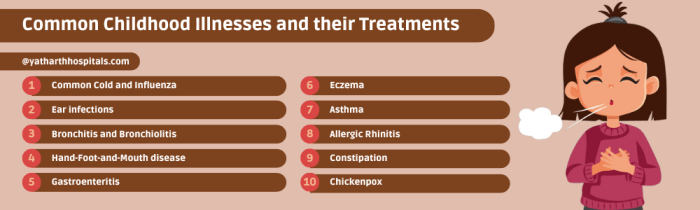
Common childhood illnesses are a significant part of growing up, impacting millions of children globally each year. Understanding these illnesses, from the common cold to more serious conditions like measles, is crucial for parents and caregivers. This guide provides a detailed overview of prevalent childhood illnesses, covering their symptoms, causes, prevention, and treatment. We’ll explore both common viral and bacterial infections, as well as delve into the increasingly important topic of children’s mental health and well-being.
This resource aims to equip readers with the knowledge to recognize potential health issues, make informed decisions regarding their child’s care, and understand when professional medical attention is necessary. We’ll also address preventative measures like vaccination and discuss strategies for managing symptoms at home, while emphasizing the importance of seeking professional help when needed.
Common Childhood Illnesses
Childhood illnesses are a common part of growing up, exposing children to various pathogens and strengthening their immune systems. Understanding these illnesses, their symptoms, and preventative measures is crucial for parents and caregivers. This section provides an overview of common childhood illnesses, categorized by type, with details on symptoms, transmission, prevention, and treatment.
Viral Childhood Illnesses, Common childhood illnesses
Viral infections are the most prevalent type of childhood illness. These infections are caused by viruses, tiny pathogens that replicate within the body’s cells. Many viral illnesses are self-limiting, meaning they resolve on their own with supportive care.
Examples include:
- Common Cold (Rhinovirus): Symptoms include runny nose, cough, sneezing, and sometimes a mild fever. Incubation period is 1-3 days. Transmission occurs through respiratory droplets. Prevention involves frequent handwashing and avoiding close contact with infected individuals. Treatment focuses on symptom relief.
- Influenza (Flu): Symptoms include fever, cough, sore throat, muscle aches, and fatigue. Incubation period is 1-4 days. Transmission is similar to the common cold. Prevention includes annual flu vaccination and good hygiene practices. Treatment involves rest, fluids, and over-the-counter medications for symptom relief.
In severe cases, antiviral medications may be prescribed.
- Chickenpox (Varicella-zoster virus): Characterized by an itchy rash with small, fluid-filled blisters. Incubation period is 10-21 days. Transmission occurs through respiratory droplets and direct contact with the rash. Prevention involves the varicella vaccine. Treatment focuses on managing itching and preventing secondary infections.
- Measles (Rubeola virus): Symptoms include high fever, cough, runny nose, and a characteristic rash. Incubation period is 7-14 days. Highly contagious, transmitted through respiratory droplets. Prevention is achieved through the MMR vaccine. Treatment is supportive, focusing on managing symptoms.
- Mumps (Paramyxovirus): Swollen salivary glands (parotid glands) are the hallmark symptom. Incubation period is 12-25 days. Transmission is through respiratory droplets and saliva. Prevention is through the MMR vaccine. Treatment focuses on symptom management.
Bacterial Childhood Illnesses
Bacterial infections are caused by bacteria, single-celled microorganisms. These infections can range from mild to severe and may require antibiotic treatment.
Examples include:
- Strep Throat (Streptococcus pyogenes): Symptoms include sore throat, fever, headache, and sometimes a rash. Incubation period is 2-5 days. Transmission occurs through respiratory droplets. Prevention involves good hygiene. Treatment typically involves antibiotics.
- Ear Infections (Otitis media): Inflammation or infection of the middle ear. Symptoms include ear pain, fever, and sometimes hearing loss. Incubation period varies. Transmission can be through respiratory droplets or Eustachian tube dysfunction. Treatment may involve antibiotics, pain relievers, and sometimes surgical intervention.
- Whooping Cough (Pertussis): Characterized by severe coughing fits followed by a “whooping” sound during inhalation. Incubation period is 7-10 days. Highly contagious, transmitted through respiratory droplets. Prevention is through the DTaP vaccine. Treatment involves antibiotics and supportive care.
Other Childhood Illnesses
Some childhood illnesses are caused by other pathogens or factors.
Examples include:
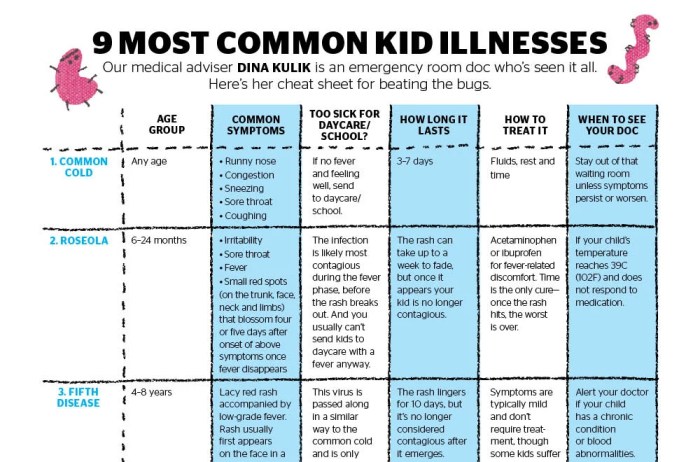
- Roseola (Human herpesvirus 6 or 7): High fever followed by a rash. Incubation period is 5-15 days. Transmission is thought to be through saliva. Treatment is supportive, focusing on fever reduction.
- Fifth Disease (Parvovirus B19): “Slapped cheek” rash on the face, followed by a lacy rash on the body. Incubation period is 4-14 days. Transmission is through respiratory droplets. Treatment is supportive.
Comparison of Symptoms
The following table compares the symptoms of some common childhood illnesses to aid in differentiation. Note that these are general symptoms and individual presentations can vary. A medical professional should always be consulted for diagnosis and treatment.
| Illness | Fever | Rash | Respiratory Symptoms |
|---|---|---|---|
| Common Cold | Mild or absent | Absent | Runny nose, cough, sneezing |
| Influenza | Often high | Absent | Cough, sore throat, sometimes runny nose |
| Chickenpox | Mild to moderate | Itchy rash with blisters | Mild or absent |
| Measles | High | Maculopapular rash | Cough, runny nose |
| Mumps | Mild to moderate | Absent | Swollen salivary glands |
| Strep Throat | Often high | Sometimes present | Sore throat |
| Roseola | High, then rash appears | Rose-pink rash | Mild or absent |
| Fifth Disease | Mild or absent | “Slapped cheek” rash, then lacy rash | Mild or absent |
Measles, Mumps, and Rubella (MMR): Common Childhood Illnesses
Measles, mumps, and rubella are three highly contagious viral illnesses that were once common childhood diseases. The development of the MMR vaccine has dramatically reduced their incidence, but outbreaks still occur, particularly in communities with low vaccination rates. Understanding these illnesses, their potential complications, and the crucial role of the MMR vaccine is vital for maintaining public health.The MMR vaccine is a highly effective way to prevent these three diseases.
It significantly reduces the risk of contracting measles, mumps, and rubella, protecting individuals and contributing to herd immunity, which protects those who cannot be vaccinated. The vaccine’s effectiveness underscores its importance in preventing severe complications and widespread outbreaks.
Measles Complications
Untreated measles can lead to serious complications, including pneumonia (a lung infection), encephalitis (brain swelling), and even death. These complications are more likely in young children, pregnant women, and individuals with weakened immune systems. Severe complications can result in long-term health problems or disability. For example, encephalitis can cause permanent brain damage, affecting cognitive function and motor skills.
Pneumonia, if severe, can lead to respiratory failure requiring hospitalization.
Mumps Complications
While many individuals experience mild mumps symptoms, complications can arise. The most concerning complication is meningitis (inflammation of the membranes surrounding the brain and spinal cord), which can cause severe headaches, fever, and stiff neck. In rare cases, mumps can lead to encephalitis or hearing loss. Inflammation of the testicles (orchitis) in males and ovaries (oophoritis) in females can also occur, potentially affecting fertility in severe cases.
One documented case involved a young adult male experiencing severe orchitis requiring hospitalization and prolonged recovery.
Rubella Complications
For most adults, rubella is a mild illness. However, the consequences can be severe for pregnant women. Infection during pregnancy can cause congenital rubella syndrome (CRS) in the developing fetus. CRS can lead to a range of birth defects, including deafness, blindness, heart defects, and intellectual disability. The severity of CRS varies greatly, but even mild cases can have lifelong implications for the child.
A historical example demonstrates the devastating impact of rubella epidemics before widespread vaccination, where numerous infants were born with severe CRS, highlighting the critical importance of vaccination for pregnant women and those planning pregnancy.
Symptoms, Diagnosis, and Treatment of MMR Infections
Measles typically begins with fever, cough, runny nose, and a characteristic rash that spreads across the body. Mumps is characterized by swelling of the salivary glands, causing noticeable swelling under the ears or jaw. Rubella often presents with a mild fever, rash, and swollen lymph nodes. Diagnosis is usually based on clinical symptoms, but laboratory tests can confirm the infection.
Treatment for MMR infections is primarily supportive, focusing on managing symptoms such as fever and discomfort. Rest, fluids, and over-the-counter pain relievers are typically recommended.
Frequently Asked Questions about the MMR Vaccine and its Safety
The MMR vaccine’s safety has been extensively studied, and the benefits far outweigh the risks. Here are some common concerns and their answers:
- Question: Is the MMR vaccine safe? Answer: Yes, the MMR vaccine is one of the safest and most effective vaccines available. Extensive research has shown it to be very safe and highly effective in preventing measles, mumps, and rubella.
- Question: Can the MMR vaccine cause autism? Answer: No, numerous large-scale studies have conclusively shown no link between the MMR vaccine and autism.
- Question: What are the possible side effects of the MMR vaccine? Answer: Mild side effects, such as fever, rash, or soreness at the injection site, are common and usually resolve quickly. Serious side effects are extremely rare.
- Question: When should children receive the MMR vaccine? Answer: The recommended schedule is typically two doses, with the first dose given at 12-15 months of age and the second dose before entering kindergarten or school.
- Question: Is the MMR vaccine effective? Answer: Yes, the MMR vaccine is highly effective in preventing measles, mumps, and rubella. Two doses provide very high protection against these diseases.
Chickenpox and Influenza
Chickenpox and influenza, while both common viral illnesses, present distinct symptoms, transmission methods, and potential complications. Understanding their differences is crucial for effective prevention and management. This section will compare and contrast these two illnesses, focusing on their symptoms, transmission, treatment, potential complications, home management strategies, and vaccine availability.
Symptoms of Chickenpox and Influenza
Chickenpox, caused by the varicella-zoster virus (VZV), is characterized by an itchy, blister-like rash that progresses through stages from small, red bumps to fluid-filled blisters that eventually crust over. Other symptoms may include fever, fatigue, headache, and loss of appetite. Influenza, or the flu, caused by influenza viruses, typically presents with fever, cough, sore throat, muscle aches, and fatigue.
While some may experience a runny nose, the hallmark symptom is often the abrupt onset of fever and body aches. A key difference is the characteristic rash present in chickenpox, which is absent in influenza.
Transmission of Chickenpox and Influenza
Chickenpox spreads through direct contact with an infected person’s respiratory secretions or fluid from the blisters, as well as through airborne droplets produced when an infected person coughs or sneezes. Influenza also spreads through respiratory droplets produced during coughing or sneezing, and direct contact with infected individuals. However, influenza viruses can survive for a short time on surfaces, allowing for indirect transmission through contact with contaminated objects.
Treatment of Chickenpox and Influenza
Treatment for both illnesses focuses primarily on managing symptoms. For chickenpox, antiviral medications are rarely used except in high-risk individuals. Treatment focuses on relieving itching (with cool baths and calamine lotion), managing fever (with acetaminophen or ibuprofen), and preventing secondary bacterial infections. For influenza, antiviral medications can be effective if started early in the course of the illness, especially in high-risk individuals.
Again, symptomatic treatment, including rest, fluids, and over-the-counter pain relievers, is crucial.
Complications of Chickenpox and Influenza
Chickenpox complications are relatively rare but can include bacterial skin infections, pneumonia, encephalitis (brain inflammation), and in rare cases, death. These complications are more likely in individuals with weakened immune systems. Influenza complications can be more significant and include pneumonia, bronchitis, ear infections, sinus infections, and worsening of chronic medical conditions such as asthma or heart disease. Complications are more common in young children, the elderly, and individuals with underlying health conditions.
Home Management of Chickenpox and Influenza
Managing Chickenpox Symptoms at Home
- Keep the child home from school or daycare until all blisters have crusted over.
- Administer acetaminophen or ibuprofen to reduce fever and discomfort, following age-appropriate dosage instructions.
- Give cool baths or apply calamine lotion to relieve itching.
- Keep fingernails trimmed short to prevent scratching and secondary infections.
- Dress the child in loose, comfortable clothing.
- Ensure adequate fluid intake.
- Monitor for signs of complications, such as worsening fever, difficulty breathing, or changes in mental status.
Managing Influenza Symptoms at Home
- Keep the individual home from work or school until fever-free for at least 24 hours.
- Encourage rest and adequate fluid intake.
- Administer acetaminophen or ibuprofen to reduce fever and discomfort, following dosage instructions.
- Use a humidifier or saline nasal spray to relieve congestion.
- Monitor for signs of complications, such as worsening symptoms, difficulty breathing, or chest pain.
Vaccines for Chickenpox and Influenza
A highly effective chickenpox vaccine is available and recommended for all children. It significantly reduces the risk of developing chickenpox and its complications. Annual influenza vaccines are also recommended for most individuals six months of age and older. The vaccine’s effectiveness varies from year to year depending on how well the vaccine strains match circulating influenza viruses, but it significantly reduces the risk of influenza and its associated complications, especially severe illness.
Respiratory Infections (Bronchitis, Pneumonia)
Respiratory infections, such as bronchitis and pneumonia, are common childhood illnesses that can range in severity from mild to life-threatening. Understanding the risk factors, symptoms, diagnosis, and treatment options is crucial for effective management and prevention. These infections primarily affect the lower respiratory tract, impacting the bronchi (bronchitis) and the lungs (pneumonia).
Several factors increase a child’s susceptibility to respiratory infections. Young children, particularly those under five years old, have less developed immune systems, making them more vulnerable. Exposure to secondhand smoke, air pollution, and crowded environments significantly raises the risk. Pre-existing conditions like asthma or cystic fibrosis can also increase susceptibility. Furthermore, children with weakened immune systems due to underlying medical conditions or treatments are at higher risk of developing severe infections.
Bronchitis and Pneumonia: Distinguishing Symptoms and Severity
Bronchitis and pneumonia, while both affecting the respiratory system, differ significantly in their symptoms and severity. Bronchitis, an inflammation of the bronchial tubes, typically presents with a cough, often producing mucus, and may be accompanied by mild fever, wheezing, and shortness of breath. The symptoms are usually less severe than those of pneumonia and often resolve within a few weeks with supportive care.
In contrast, pneumonia, an infection of the lung tissue, presents with more severe symptoms. These include a persistent cough, often producing thick, colored mucus, high fever, rapid breathing, chest pain, and significant shortness of breath. Pneumonia can lead to more serious complications, such as dehydration, bacterial bloodstream infection (sepsis), and respiratory failure, especially in young children or those with underlying health conditions.
Diagnostic Procedures for Respiratory Infections
Diagnosing respiratory infections often begins with a thorough physical examination, including listening to the child’s lungs with a stethoscope to detect abnormal sounds like wheezing or crackling. A chest X-ray is often used to confirm the diagnosis of pneumonia, revealing areas of lung consolidation or fluid buildup. In some cases, blood tests may be performed to identify the causative organism, such as bacteria or viruses, and to assess the overall health of the child.
Pulse oximetry, measuring blood oxygen levels, can help assess the severity of the infection and guide treatment decisions. Further testing, such as sputum cultures, may be necessary to identify specific bacterial infections.
Treatment Options for Bronchitis and Pneumonia
Treatment for bronchitis and pneumonia varies depending on the severity of the infection and the causative agent. For viral bronchitis, treatment focuses on supportive care, including rest, fluids, and over-the-counter medications to manage symptoms like fever and cough. Antibiotics are not effective against viral infections. However, if bronchitis is caused by bacteria, antibiotics may be prescribed. Pneumonia treatment depends on the cause (bacterial, viral, or fungal).
Bacterial pneumonia is typically treated with antibiotics, while viral pneumonia usually requires supportive care. In severe cases of pneumonia, hospitalization may be necessary for intravenous antibiotics, oxygen therapy, and respiratory support. Supportive care for both conditions involves ensuring adequate hydration, rest, and managing symptoms. In some cases, medications like bronchodilators may be used to help open the airways and improve breathing.
Gastrointestinal Illnesses (Diarrhea, Vomiting)
Gastrointestinal illnesses, specifically diarrhea and vomiting, are common childhood ailments often caused by viral or bacterial infections. These illnesses can lead to significant dehydration and electrolyte imbalances if not managed properly. Understanding the causes, recognizing the signs of severity, and knowing when to seek medical attention are crucial for ensuring a child’s well-being.
Causes of Diarrhea and Vomiting in Children
Diarrhea and vomiting in children are frequently caused by viral infections, such as rotavirus and norovirus. These viruses are highly contagious and spread easily through contaminated food or water, or through contact with infected individuals. Bacterial infections, such as
- Salmonella* and
- Campylobacter*, can also cause these symptoms, often stemming from consuming contaminated food or drinks. Less common causes include food allergies or intolerances, parasitic infections, and certain medications. The symptoms can range from mild to severe, depending on the underlying cause and the child’s overall health.
Hydration and Electrolyte Balance
Maintaining adequate hydration and electrolyte balance is paramount when a child experiences diarrhea and vomiting. These illnesses can lead to significant fluid and electrolyte loss, resulting in dehydration. Dehydration can range from mild (dry mouth, slightly decreased urine output) to severe (sunken eyes, lethargy, rapid heart rate). Oral rehydration solutions (ORS) are specifically formulated to replenish lost fluids and electrolytes, including sodium, potassium, and glucose.
These solutions are readily available at pharmacies and are generally safe and effective for children. It is crucial to offer frequent small sips of ORS rather than large amounts at once to avoid further vomiting. In severe cases, intravenous fluids may be necessary to correct dehydration quickly.
When to Seek Medical Attention
While many cases of diarrhea and vomiting resolve on their own within a few days, it’s essential to seek medical attention if the symptoms are severe or persistent. Parents should contact a doctor or seek immediate medical care if their child exhibits signs of severe dehydration (sunken eyes, no tears when crying, dry mouth, lethargy, rapid breathing), bloody diarrhea, high fever, persistent vomiting preventing fluid intake, or symptoms lasting longer than a week.
Early intervention can prevent serious complications.
Managing Severe Diarrhea or Vomiting: A Flowchart
The following flowchart Artikels the steps to take when a child experiences severe diarrhea or vomiting:
| Symptom | Action |
|---|---|
| Mild diarrhea/vomiting (no dehydration signs) | Offer frequent small sips of ORS or clear fluids. Monitor closely. |
| Moderate diarrhea/vomiting (some dehydration signs) | Increase ORS intake. Contact doctor for advice. |
| Severe diarrhea/vomiting (significant dehydration signs, bloody stool, high fever) | Seek immediate medical attention. |
Stress and Anxiety Management in Children
Childhood is a period of significant development and change, often accompanied by various stressors that can manifest as anxiety. Understanding the signs of stress and anxiety in children, and implementing effective coping strategies, is crucial for their well-being and healthy development. This section will explore common signs, effective coping mechanisms, and parental support strategies for managing childhood stress and anxiety.
Signs and Symptoms of Stress and Anxiety in Children
The manifestation of stress and anxiety varies significantly depending on a child’s age and developmental stage. Younger children may exhibit different symptoms compared to adolescents. Recognizing these age-specific signs is key to providing appropriate support.
- Preschoolers (Ages 3-5): May experience increased clinginess to parents or caregivers, difficulty sleeping, changes in appetite (either increased or decreased), frequent temper tantrums, bedwetting (even if previously toilet-trained), and increased thumb-sucking or other regressive behaviors.
- School-Aged Children (Ages 6-12): May present with stomach aches or headaches, difficulty concentrating in school, changes in academic performance, withdrawal from social activities, irritability, excessive worrying, and complaints of feeling tired or unwell.
- Adolescents (Ages 13-18): May exhibit symptoms such as social isolation, changes in sleep patterns (insomnia or excessive sleeping), irritability or mood swings, difficulty focusing, increased risk-taking behaviors, substance use, and feelings of hopelessness or worthlessness. They may also experience physical symptoms like rapid heartbeat or shortness of breath.
Coping Mechanisms and Relaxation Techniques for Children
Teaching children effective coping mechanisms and relaxation techniques is essential for managing stress and anxiety. These strategies equip them with tools to navigate challenging situations and regulate their emotions.
- Deep Breathing Exercises: Simple breathing exercises, such as belly breathing or counting breaths, can calm the nervous system. For example, children can be taught to inhale deeply, hold for a few seconds, and exhale slowly, focusing on the sensation of their breath.
- Progressive Muscle Relaxation: This technique involves tensing and releasing different muscle groups in the body, promoting relaxation. A child might tense their fists for a few seconds, then release, focusing on the difference in tension and relaxation.
- Guided Imagery: Children can be guided to imagine peaceful scenes, such as a beach or forest, to reduce anxiety and promote relaxation. This can be done through storytelling or guided meditation.
- Mindfulness Activities: Mindfulness exercises, such as focusing on sensory experiences (sounds, smells, textures), can help children stay grounded in the present moment and reduce overthinking.
Activities Promoting Relaxation and Stress Reduction
Engaging in enjoyable and relaxing activities can significantly reduce stress and improve a child’s overall well-being. These activities offer opportunities for self-expression, creativity, and emotional regulation.
- Creative Activities: Art therapy, drawing, painting, playing music, or writing can provide outlets for expressing emotions and reducing stress. The act of creation itself can be therapeutic.
- Physical Activities: Exercise, such as playing sports, dancing, or simply running around, releases endorphins, which have mood-boosting effects. Regular physical activity can help reduce stress and improve sleep.
- Spending Time in Nature: Nature walks, gardening, or simply playing outdoors can have a calming effect and reduce stress levels. The sights, sounds, and smells of nature can be soothing.
- Reading and Storytelling: Engaging in reading or storytelling can transport children to different worlds, offering a temporary escape from stressors and promoting relaxation.
Parental and Caregiver Support Strategies
Parents and caregivers play a crucial role in supporting children experiencing anxiety. Providing a safe and supportive environment is paramount.
- Create a Safe and Predictable Environment: Establishing consistent routines and clear expectations can reduce anxiety and provide a sense of security for children.
- Active Listening and Validation: Parents should actively listen to their children’s concerns and validate their feelings, showing empathy and understanding.
- Positive Reinforcement and Encouragement: Focusing on a child’s strengths and accomplishments, rather than solely on their anxieties, can boost their self-esteem and confidence.
- Seeking Professional Help: If a child’s anxiety is severe or persistent, seeking professional help from a therapist or counselor is crucial. They can provide tailored interventions and support.
Depression Support Resources for Children and Families
Childhood depression is a serious issue that can significantly impact a child’s development and well-being. Recognizing the signs and seeking appropriate support are crucial steps in ensuring a child receives the help they need to thrive. Early intervention is key, as untreated depression can lead to long-term difficulties. This section Artikels reliable resources available to families navigating this challenging experience.Understanding the importance of early intervention and professional help in managing childhood depression is paramount.
Untreated depression can have lasting consequences, affecting academic performance, social relationships, and overall mental health. Professional guidance helps determine the severity of the depression, develop appropriate treatment plans, and provide ongoing support for both the child and family. Early identification and intervention significantly improve the chances of a positive outcome.
Reliable Sources of Information and Support
Families seeking information and support regarding childhood depression can access a range of resources. These resources provide valuable information, guidance, and practical tools to aid in understanding and managing the condition. They offer a combination of professional expertise and peer support, fostering a sense of community and reducing feelings of isolation.
- The American Academy of Child and Adolescent Psychiatry (AACAP): This organization offers comprehensive information on various childhood mental health issues, including depression, providing resources for both parents and professionals. Their website features articles, fact sheets, and a directory of child and adolescent psychiatrists.
- The Child Mind Institute: This non-profit organization offers a wealth of information on children’s mental health, including depression, through articles, videos, and podcasts. They also provide a directory of mental health professionals and support groups.
- The National Institute of Mental Health (NIMH): As part of the National Institutes of Health, the NIMH provides extensive research-based information on mental health conditions, including depression in children and adolescents. Their website offers resources for families, professionals, and researchers.
Helplines and Online Support Groups
Access to immediate support is vital during times of crisis. Helplines and online support groups offer a valuable outlet for families seeking immediate assistance and connection with others facing similar challenges. These resources provide a safe space for sharing experiences, seeking advice, and finding emotional support.
- The Trevor Project: While focused on LGBTQ youth, The Trevor Project also offers crisis intervention and suicide prevention services for all young people, including those struggling with depression. Their helpline is available 24/7.
- The Jed Foundation: This organization focuses on protecting emotional health and preventing suicide for teens and young adults. They offer resources and support for families and educators.
- Online Support Groups: Numerous online support groups dedicated to childhood depression exist on platforms like Facebook and dedicated mental health forums. These groups provide a space for parents and caregivers to connect with others, share experiences, and offer mutual support.
Questions to Ask a Healthcare Professional
When concerns arise about a child’s mental health, it is essential to have open communication with healthcare professionals. Asking specific questions allows for a comprehensive assessment and the development of a tailored treatment plan. These questions provide a framework for a productive conversation with the healthcare provider.
- What are the specific signs and symptoms of depression in children of my child’s age?
- What assessments will be conducted to determine if my child has depression?
- What are the different treatment options available, and which would be most appropriate for my child?
- What are the potential side effects of the recommended treatment?
- What support services are available for my family during this time?
- What is the expected duration of treatment, and what are the goals of therapy?
- How will we monitor my child’s progress, and what are the signs to watch for that indicate a need for adjustment in the treatment plan?
Mindfulness Practices for Children
Mindfulness, the practice of paying attention to the present moment without judgment, offers significant benefits for children’s mental and emotional well-being. By cultivating mindfulness, children can develop greater self-awareness, emotional regulation, and resilience, ultimately leading to improved focus, reduced stress, and enhanced social skills. This practice equips them with valuable tools to navigate the challenges of childhood and beyond.Mindfulness exercises for children can be adapted to suit their developmental stages and interests.
Simple techniques can be integrated into daily routines, making mindfulness a natural and enjoyable part of their lives. This section explores various mindfulness practices and provides guidance for parents on introducing these techniques to their children.
Benefits of Mindfulness for Children
Mindfulness practices provide numerous benefits for children. Improved focus and attention span are commonly reported, enabling children to concentrate better in school and other activities. Enhanced emotional regulation allows children to manage their feelings more effectively, reducing outbursts and improving their ability to cope with stress. Increased self-awareness helps children understand their thoughts, feelings, and bodily sensations, leading to better self-understanding and empathy.
Finally, mindfulness fosters resilience, enabling children to bounce back from setbacks and challenges more easily. These combined benefits contribute to a greater sense of well-being and overall improved mental health.
Examples of Mindfulness Exercises for Children
Mindfulness exercises can be tailored to different age groups. For younger children (ages 3-5), short, playful activities like mindful breathing with stuffed animals or focusing on the sensations of a favorite toy work well. Imagine a child gently stroking a soft toy, noticing the texture and softness. They can then focus on their breath, feeling the air enter and leave their nostrils.
Older children (ages 6-12) can engage in more complex activities such as mindful walking, paying attention to the feeling of their feet on the ground and the sights and sounds around them. They might also practice mindful eating, savoring the taste and texture of their food. Teenagers (13-18) can benefit from guided meditations, journaling, or mindful movement practices like yoga.
Incorporating Mindfulness into Daily Routines
Integrating mindfulness into daily routines is key to its effectiveness. A simple way to begin is by incorporating mindful moments throughout the day. For example, before meals, encourage children to take a few deep breaths and notice the smells and colors of the food. During transitions, such as moving from one activity to another, encourage children to pause and acknowledge their feelings before proceeding.
Mindful walks or bike rides, focusing on the sensations of movement and the surrounding environment, can also be incorporated. Even a few minutes of mindful breathing before bedtime can promote relaxation and improve sleep quality.
A Guide for Parents on Teaching Mindfulness to Children
Teaching mindfulness to children requires patience and understanding. Start with short sessions, keeping them engaging and fun. Use age-appropriate language and avoid pressure. Model mindful behavior yourself, demonstrating the practice in your own life. Create a calm and supportive environment where children feel safe to explore their thoughts and feelings.
Celebrate successes and acknowledge challenges without judgment. Remember that consistency is key; regular practice, even for short periods, yields significant benefits. Engage children in activities that promote mindfulness, like nature walks, listening to calming music, or drawing. Above all, make it a positive and enjoyable experience for both you and your child.
Navigating the world of childhood illnesses can be challenging, but with proper understanding and preparation, parents and caregivers can effectively support their children’s health and well-being. This guide has provided a comprehensive overview of common childhood illnesses, encompassing both physical and mental health aspects. Remember, proactive measures such as vaccination and a focus on healthy habits are essential preventative strategies.
While home management of symptoms can be helpful, always seek professional medical advice when necessary, particularly for severe or persistent symptoms. Prioritizing open communication with healthcare providers ensures the best possible care for your child.
FAQs
What are the signs of dehydration in a child with diarrhea or vomiting?
Signs of dehydration include dry mouth, decreased urination, sunken eyes, lethargy, and lack of tears when crying. Seek immediate medical attention if you observe these symptoms.
When should I take my child to the doctor for a fever?
Seek medical attention if your child has a fever over 104°F (40°C), a fever lasting more than 3 days, or a fever accompanied by other concerning symptoms like difficulty breathing, rash, or persistent vomiting.
Are there any natural remedies to help alleviate cold symptoms in children?
Rest, fluids (especially clear broths), and a humidifier can help alleviate cold symptoms. Over-the-counter medications should only be used as directed by a doctor.
How can I help my child cope with anxiety?
Techniques like deep breathing exercises, mindfulness, and spending time in nature can help. Professional help from a therapist may also be beneficial.


