Alternative Treatments for Anxiety
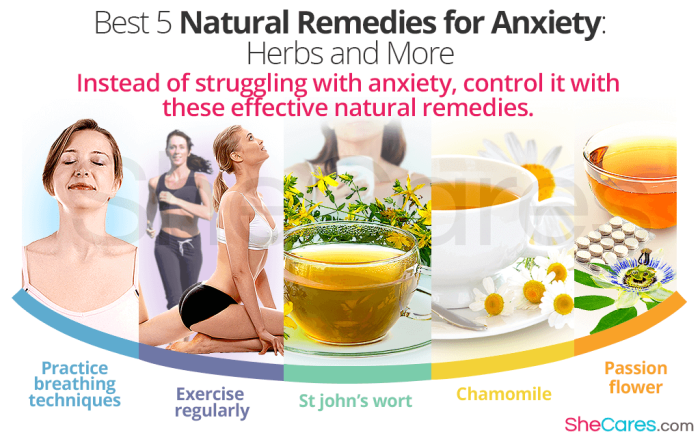
Alternative treatments for anxiety offer a compelling path toward improved mental well-being, exploring methods beyond traditional pharmaceutical approaches. This exploration delves into the efficacy of mindfulness, herbal remedies, lifestyle adjustments, and physical activities in managing anxiety symptoms. We examine the scientific evidence supporting these methods, alongside potential benefits and drawbacks, empowering readers to make informed decisions about their mental health journey.
The rising prevalence of anxiety disorders highlights the urgent need for diverse and effective treatment options. While medication and therapy remain cornerstones of anxiety management, many individuals seek complementary approaches to address their unique needs and preferences. This exploration examines various alternative therapies, providing a balanced perspective on their potential benefits and limitations.
Stress and Anxiety Management Strategies
Stress and anxiety are common experiences in modern life, often stemming from work pressures, relationship difficulties, or financial concerns. Effectively managing these feelings is crucial for maintaining overall well-being and preventing the development of more serious mental health issues. A multifaceted approach, encompassing various techniques and coping mechanisms, is generally the most effective strategy.Effective stress management involves a proactive approach to identifying and addressing stressors, coupled with developing healthy coping mechanisms to navigate challenging situations.
This includes understanding personal triggers, implementing relaxation techniques, and fostering a supportive social network. Building resilience is equally important, allowing individuals to bounce back from adversity and maintain a positive outlook.
Mindfulness and Meditation Techniques
Mindfulness practices, such as meditation and deep breathing exercises, are proven methods for reducing stress and anxiety. These techniques encourage focusing on the present moment, rather than dwelling on past worries or future anxieties. Regular practice can improve self-awareness, emotional regulation, and overall mental clarity. For example, a study published in the Journal of the American Medical Association found that mindfulness-based stress reduction (MBSR) significantly reduced symptoms of anxiety and depression in participants.
Guided meditations, available through apps or online resources, can be particularly helpful for beginners. Deep breathing exercises, such as diaphragmatic breathing, can be practiced anywhere, anytime, offering a quick and accessible way to calm the nervous system.
Cognitive Behavioral Therapy (CBT) Techniques
Cognitive Behavioral Therapy (CBT) is a widely used therapeutic approach that helps individuals identify and modify negative thought patterns and behaviors contributing to stress and anxiety. CBT involves techniques such as cognitive restructuring, where negative thoughts are challenged and replaced with more balanced perspectives, and behavioral activation, encouraging engagement in activities that promote well-being. For instance, a person experiencing anxiety about public speaking might use CBT to identify and challenge their negative thoughts (“I’m going to fail,” “Everyone will judge me”), replacing them with more realistic and positive affirmations (“I’ve prepared well,” “I can handle this”).
Through consistent practice, CBT can help individuals develop healthier coping mechanisms and reduce the impact of stress and anxiety.
Physical Activity and Exercise, Alternative treatments for anxiety
Regular physical activity is a powerful tool for stress reduction. Exercise releases endorphins, natural mood boosters that have stress-relieving and mood-enhancing effects. Activities such as running, swimming, yoga, or even a brisk walk can significantly improve both physical and mental health. The recommended amount of physical activity is at least 150 minutes of moderate-intensity or 75 minutes of vigorous-intensity aerobic activity per week, along with muscle-strengthening activities twice a week.
Incorporating exercise into a daily routine can significantly contribute to improved stress management and overall well-being. For example, a study in the journal Psychosomatic Medicine demonstrated a significant reduction in anxiety levels in individuals who participated in a regular exercise program.
Social Support and Connection
Strong social connections are vital for stress management. Sharing concerns with trusted friends, family, or support groups can provide emotional support and perspective. Feeling connected and understood can significantly reduce feelings of isolation and overwhelm. Actively nurturing relationships and seeking out social interaction can help build resilience and improve overall mental health. Joining social clubs, volunteering, or participating in community events can be effective ways to build and strengthen social support networks.
Stress-Reducing Lifestyle Changes
Implementing positive lifestyle changes can contribute significantly to stress management. Prioritizing sufficient sleep (7-9 hours per night), maintaining a balanced diet, limiting caffeine and alcohol intake, and practicing relaxation techniques such as progressive muscle relaxation can help reduce stress levels. Creating a relaxing bedtime routine, such as taking a warm bath or reading a book, can improve sleep quality.
A balanced diet rich in fruits, vegetables, and whole grains provides the body with the necessary nutrients to function optimally and cope with stress. Reducing caffeine and alcohol consumption can minimize their potential negative impacts on sleep and anxiety levels.
Building Resilience
Resilience is the ability to bounce back from adversity. Building resilience involves developing coping skills, maintaining a positive outlook, and cultivating self-compassion. Practicing self-care, setting realistic goals, and learning to say “no” to overwhelming commitments are crucial aspects of building resilience. Developing a strong sense of self-efficacy – believing in one’s ability to overcome challenges – is also vital.
For example, learning to prioritize tasks, break down large projects into smaller, manageable steps, and celebrating small victories can significantly boost self-efficacy and build resilience.
Depression Support Resources
Finding the right support is crucial for managing depression. Many resources are available, offering various levels of assistance and tailored approaches to individual needs. Understanding the characteristics of effective support can help individuals navigate their options and find the most beneficial help.Effective depression support resources provide a safe and non-judgmental environment where individuals feel comfortable sharing their experiences.
This involves empathetic listening, validation of feelings, and a focus on empowerment rather than judgment. The best resources also offer practical strategies for coping with depression symptoms and connecting individuals with professional help when needed.
Types of Depression Support Resources
Several types of support are available to help individuals cope with depression. These resources vary in their approach and the level of interaction they provide.
- National Suicide Prevention Lifeline (988): Provides immediate support for individuals experiencing suicidal thoughts or emotional distress. Trained counselors offer confidential and compassionate assistance 24/7.
- The Crisis Text Line (text HOME to 741741): Offers confidential support via text message for those facing mental health crises, including depression. It provides immediate access to trained counselors who can offer guidance and coping strategies.
- Online Support Communities and Forums: Websites and online forums dedicated to depression provide a space for individuals to connect with others facing similar challenges. Sharing experiences and offering mutual support can reduce feelings of isolation.
- Support Groups (In-person and Online): Facilitated groups offer a structured environment for individuals to share their experiences, learn coping mechanisms, and receive support from others. These groups can be invaluable for building social connections and reducing feelings of loneliness.
- Mental Health Professionals: Therapists, psychiatrists, and counselors offer professional support through therapy, medication management, and other evidence-based interventions. They provide individualized care and help individuals develop coping strategies and address underlying issues contributing to depression.
Characteristics of Effective Depression Support Resources
Effective support resources share several key characteristics that contribute to their success in helping individuals manage their depression.
- Accessibility: Resources should be easily accessible, regardless of geographic location, financial situation, or other barriers. This includes availability of online resources, diverse communication methods, and affordability.
- Confidentiality: Maintaining confidentiality is crucial to foster trust and encourage open communication. Individuals need to feel safe sharing their experiences without fear of judgment or disclosure.
- Empathy and Validation: Effective support involves understanding and validating the individual’s experiences and emotions. This creates a safe and supportive environment where individuals feel heard and understood.
- Evidence-Based Practices: Resources that utilize evidence-based approaches are more likely to be effective. This includes utilizing proven therapeutic techniques and strategies that have demonstrated efficacy in treating depression.
- Personalized Approach: Effective support recognizes that every individual is unique. Resources should offer personalized strategies and interventions tailored to individual needs and preferences.
Building Resilience
Resilience, in the context of mental health, refers to the ability to bounce back from adversity, trauma, tragedy, threats, or significant sources of stress—such as family and relationship problems, serious health problems, or workplace and financial stressors. It’s not about avoiding hardship, but rather about adapting well in the face of challenges, and even thriving despite them. Individuals with high resilience demonstrate the capacity to cope with stress, maintain positive mental well-being, and continue functioning effectively even when faced with significant life obstacles.Resilience isn’t an innate trait; it’s a skill that can be learned and strengthened over time.
It involves a complex interplay of factors, including our thoughts, behaviors, and social support systems. By actively engaging in strategies designed to bolster our mental and emotional strength, we can significantly improve our ability to navigate life’s inevitable difficulties.
Strategies for Building Psychological Resilience
Developing psychological resilience is a process, not a destination. It requires consistent effort and a commitment to self-improvement. The following strategies provide a framework for cultivating this crucial life skill. These techniques are not mutually exclusive; rather, they complement each other and can be implemented in various combinations to best suit individual needs and preferences.
- Cultivating Self-Awareness: Understanding your own strengths, weaknesses, and emotional responses is fundamental to building resilience. Regular self-reflection, journaling, or mindfulness practices can help you identify your triggers and develop coping mechanisms tailored to your specific needs. For example, recognizing that you tend to isolate yourself during stressful periods allows you to proactively combat this tendency by scheduling social interactions or engaging in activities that promote connection.
- Developing Problem-Solving Skills: Resilient individuals approach challenges with a proactive mindset. They break down complex problems into smaller, manageable steps, and develop action plans to address them systematically. Instead of feeling overwhelmed by a large task, they focus on what they
-can* control and take concrete steps to move forward. For instance, facing job loss might involve creating a detailed job search strategy, updating a resume, and networking with contacts. - Building Strong Social Connections: Social support is a powerful buffer against stress. Nurturing positive relationships with family, friends, and colleagues provides a sense of belonging, validation, and practical assistance during difficult times. Leaning on supportive individuals for emotional support, advice, or practical help can significantly improve one’s ability to cope with challenges. For example, joining a support group for individuals facing similar difficulties can provide a sense of community and shared experience.
- Practicing Self-Care: Prioritizing physical and mental well-being is crucial for resilience. This includes getting adequate sleep, maintaining a healthy diet, engaging in regular physical activity, and practicing relaxation techniques such as meditation or deep breathing. Engaging in enjoyable activities that promote relaxation and rejuvenation can help reduce stress and improve overall well-being. For instance, dedicating time for hobbies like gardening or reading can offer a sense of calm and accomplishment.
- Maintaining a Positive Outlook: Cultivating optimism and gratitude can significantly impact one’s resilience. Focusing on positive aspects of life, even during challenging times, can help maintain hope and motivation. Practicing gratitude by acknowledging and appreciating positive experiences, both big and small, can shift one’s perspective and foster a more resilient mindset. For example, keeping a gratitude journal can help individuals reflect on positive experiences and cultivate a sense of appreciation.
Overcoming Setbacks and Building Mental Strength
Setbacks are inevitable. The key to building mental strength lies not in avoiding them, but in learning from them and using them as opportunities for growth. Resilient individuals view setbacks as temporary challenges, not permanent failures.
“The oak fought the wind and was broken, the willow bent when it must and survived.”
Robert Jordan
This quote perfectly illustrates the importance of adaptability. Rigid approaches often lead to fracture under pressure; flexibility allows for survival and growth. After a setback, it’s crucial to engage in self-compassion, analyze what happened without self-criticism, and adjust strategies accordingly. For example, after a failed business venture, a resilient entrepreneur might reflect on the lessons learned, revise their business plan, and seek mentorship to improve their chances of future success.
This process of learning, adapting, and persevering is the essence of building mental strength.
Sleep and Mental Health
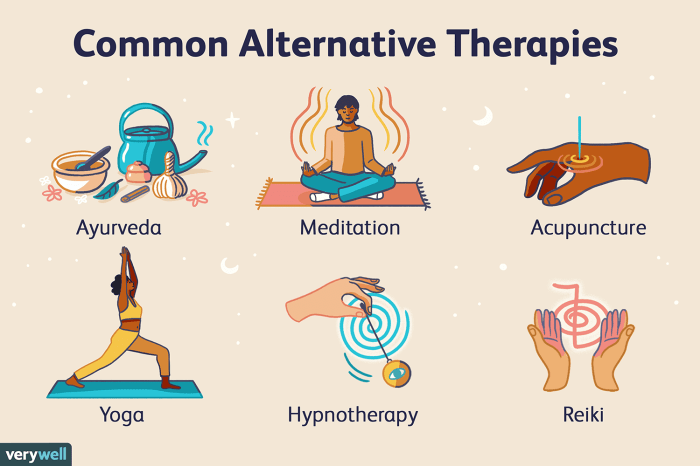
The connection between sleep and mental well-being is profound and bidirectional. Sufficient, high-quality sleep is crucial for maintaining good mental health, while poor sleep significantly impacts mood, cognitive function, and vulnerability to mental health conditions like anxiety and depression. Conversely, mental health challenges often disrupt sleep patterns, creating a vicious cycle.Sleep plays a vital role in emotional regulation, cognitive function, and stress response.
During sleep, the brain consolidates memories, processes emotions, and repairs itself. Disruptions to this process can lead to increased irritability, difficulty concentrating, impaired decision-making, and heightened emotional reactivity, all of which contribute to or exacerbate anxiety.
Impact of Sleep Deprivation on Anxiety Levels
Sleep deprivation directly affects the brain’s neurotransmitter systems, including those responsible for regulating mood and anxiety. Reduced sleep leads to imbalances in neurochemicals like serotonin and cortisol, increasing susceptibility to anxiety. For example, studies have shown that individuals experiencing even moderate sleep restriction exhibit increased anxiety symptoms, such as heightened nervousness, irritability, and difficulty managing stress. Chronic sleep deprivation further amplifies these effects, increasing the risk of developing or worsening anxiety disorders.
Furthermore, sleep loss can impair the brain’s ability to regulate emotional responses, leading to heightened sensitivity to stressors and a decreased capacity to cope with challenging situations. This makes individuals more vulnerable to experiencing anxiety in daily life.
Recommendations for Improving Sleep Hygiene
Establishing good sleep hygiene is essential for promoting better sleep quality and, consequently, improved mental health. This involves adopting consistent sleep habits and creating a conducive sleep environment. Creating a regular sleep schedule, even on weekends, helps regulate the body’s natural sleep-wake cycle. This consistency reinforces the body’s natural rhythm, making it easier to fall asleep and wake up feeling refreshed.
Maintaining a relaxing bedtime routine, such as taking a warm bath, reading a book, or listening to calming music, signals to the body that it’s time to wind down. Creating a dark, quiet, and cool sleep environment minimizes distractions and promotes relaxation. Avoiding caffeine and alcohol before bed is crucial, as these substances can interfere with sleep quality.
Regular physical activity during the day can also promote better sleep, but strenuous exercise should be avoided close to bedtime. Finally, ensuring adequate exposure to natural sunlight during the day helps regulate the body’s circadian rhythm, further supporting healthy sleep patterns.
Workplace Mental Health
Maintaining good mental health is crucial, not just in our personal lives, but also within the demanding context of the modern workplace. The pressures of deadlines, workloads, and interpersonal dynamics can significantly impact employee well-being, leading to increased stress, anxiety, and even burnout. Understanding the common stressors and implementing effective strategies to promote mental well-being is essential for creating a healthy and productive work environment.The interconnectedness of work and mental health is undeniable.
A supportive and understanding work environment fosters a sense of belonging and reduces the negative impact of workplace stressors. Conversely, a toxic or unsupportive environment can exacerbate existing mental health challenges and contribute to the development of new ones.
Common Workplace Stressors Contributing to Anxiety
Several factors within the workplace contribute to employee anxiety. These can range from excessive workload and long working hours to a lack of control and inadequate support from management. Understanding these stressors is the first step towards effective mitigation. High-pressure environments, demanding targets, and constant connectivity, even outside of work hours, are also major contributors. Furthermore, workplace bullying, harassment, and discrimination can significantly impact mental health, leading to significant anxiety and distress.
The lack of work-life balance, coupled with unclear expectations and insufficient training, further exacerbates these challenges.
Strategies for Promoting Mental Well-being in the Workplace
Implementing strategies to promote mental well-being requires a multifaceted approach, involving both individual and organizational efforts. Organizations can implement stress management programs, providing employees with access to resources such as mindfulness training, yoga classes, or employee assistance programs (EAPs). These programs aim to equip employees with practical coping mechanisms for stress and anxiety. Furthermore, fostering a culture of open communication and providing adequate support from management is vital.
This includes creating a safe space for employees to discuss their mental health concerns without fear of judgment or retribution. Encouraging regular breaks, promoting flexible work arrangements, and offering opportunities for social interaction within the workplace can also contribute to a healthier and more supportive work environment. Investing in training for managers to recognize and address mental health concerns within their teams is also a critical aspect of promoting employee well-being.
Practical Tips for Managing Work-Related Stress and Anxiety
Individuals can also take proactive steps to manage work-related stress and anxiety. Prioritizing tasks, setting realistic goals, and learning to say “no” to additional responsibilities can help prevent overwhelm. Practicing mindfulness techniques, such as deep breathing exercises or meditation, can help reduce stress levels throughout the workday. Regular physical activity, a healthy diet, and sufficient sleep are also essential for maintaining good mental health.
Utilizing available resources, such as EAPs or mental health apps, can provide additional support and guidance. Maintaining a healthy work-life balance, setting boundaries between work and personal time, and engaging in activities outside of work that promote relaxation and enjoyment are crucial for long-term mental well-being. Seeking professional help when needed is a sign of strength, not weakness, and should be encouraged.
Therapy and Counseling Options
Seeking professional help for anxiety can be a significant step towards managing and improving your mental well-being. Therapy provides a structured environment to explore the roots of your anxiety, develop coping mechanisms, and learn healthier ways of thinking and behaving. Several therapeutic approaches have proven effective in treating anxiety disorders, each offering a unique perspective and set of techniques.Different types of therapy are effective for anxiety, each utilizing different approaches and techniques.
The choice of therapy often depends on individual needs and preferences, as well as the specific type of anxiety being addressed. A collaborative relationship with a therapist is crucial for successful treatment.
Cognitive Behavioral Therapy (CBT)
CBT is a widely used and highly effective therapy for anxiety. It focuses on identifying and changing negative thought patterns and behaviors that contribute to anxiety. Through collaborative work with a therapist, individuals learn to recognize and challenge their anxious thoughts, replacing them with more realistic and helpful ones. Techniques such as cognitive restructuring and exposure therapy are frequently employed.
For example, someone with social anxiety might use CBT to challenge the thought “Everyone will judge me negatively if I speak up,” replacing it with “Some people might not notice, and others might be supportive.” Then, through exposure therapy, they might practice speaking up in increasingly challenging social situations.
Dialectical Behavior Therapy (DBT)
DBT is particularly helpful for individuals experiencing intense emotions and difficulty regulating them, often associated with conditions like borderline personality disorder and anxiety disorders. It emphasizes mindfulness, distress tolerance, emotion regulation, and interpersonal effectiveness. DBT skills equip individuals with strategies to manage overwhelming emotions in the moment and improve their relationships. For instance, a person experiencing a panic attack might use DBT techniques like mindfulness meditation to ground themselves and regulate their breathing, reducing the intensity of their physical and emotional symptoms.
Exposure Therapy
Exposure therapy is a technique often integrated into other therapies like CBT. It involves gradually exposing individuals to situations or objects that trigger their anxiety, allowing them to learn that their fears are often unfounded. Systematic desensitization, a form of exposure therapy, involves creating a hierarchy of feared situations and gradually working through them, starting with the least anxiety-provoking and progressing to the most.
For example, someone with a phobia of spiders might start by looking at pictures of spiders, then watching videos, and eventually handling a small spider under the guidance of a therapist.
Benefits of Seeking Professional Help
Seeking professional help offers numerous benefits for individuals struggling with anxiety. Therapy provides a safe and supportive space to explore challenging emotions without judgment. Therapists offer personalized guidance and teach coping skills tailored to individual needs, leading to improved self-awareness and emotional regulation. Early intervention can prevent anxiety from escalating and impacting various aspects of life, such as relationships, work, and overall well-being.
Moreover, therapy empowers individuals to take an active role in managing their anxiety, leading to increased self-efficacy and a greater sense of control over their lives.
Overcoming Addictions
Anxiety and addiction often share a complex and intertwined relationship. Many individuals struggling with addiction use substances or engage in addictive behaviors as a maladaptive coping mechanism for underlying anxiety. The temporary relief provided by the addictive substance or behavior can become a vicious cycle, reinforcing the behavior and ultimately exacerbating anxiety in the long run. Understanding this connection is crucial for effective treatment.The link between anxiety and addiction is multifaceted.
Anxiety can trigger addictive behaviors as a way to self-medicate, while the consequences of addiction, such as financial problems, relationship strain, and legal issues, can significantly increase anxiety levels. Withdrawal symptoms from substances also frequently include intense anxiety, further solidifying the cycle. Breaking free from addiction requires addressing both the addiction and the underlying anxiety simultaneously.
Strategies for Overcoming Addictive Behaviors
Effective strategies for overcoming addictive behaviors contributing to anxiety involve a multifaceted approach that addresses both the addiction and the anxiety it fuels. This typically involves a combination of professional guidance, support systems, and lifestyle changes.Addressing the underlying anxiety is critical. Cognitive Behavioral Therapy (CBT) is a highly effective therapeutic approach that helps individuals identify and modify negative thought patterns and behaviors contributing to anxiety.
Mindfulness practices, such as meditation and deep breathing exercises, can also help manage anxiety symptoms and cravings. Furthermore, incorporating regular physical activity into one’s routine can significantly reduce anxiety and improve overall well-being. Regular exercise releases endorphins, natural mood boosters that counteract the effects of stress and anxiety.
Addiction Treatment and Support Resources
Numerous resources exist to support individuals in their journey to overcome addiction. These include:Professional treatment centers: These facilities offer medically supervised detox, therapy, and ongoing support. The specific services offered vary depending on the center and the individual’s needs. Some centers specialize in specific addictions, such as opioid addiction or alcohol dependence. Others provide a holistic approach, addressing both the addiction and co-occurring mental health conditions.Support groups: Groups like Alcoholics Anonymous (AA), Narcotics Anonymous (NA), and SMART Recovery offer peer support and a sense of community.
These groups provide a safe space for individuals to share their experiences, receive encouragement, and learn coping mechanisms from others who understand their struggles. The shared experience fosters a strong sense of connection and mutual support, which is vital for recovery.Therapy and counseling: Individual therapy, often incorporating CBT or other evidence-based approaches, is crucial for addressing underlying mental health issues, developing coping skills, and preventing relapse.
A therapist can provide personalized guidance and support throughout the recovery process. Family therapy can also be beneficial, helping to repair relationships damaged by addiction and providing support for the entire family system.Online resources: Websites and apps offer information, support, and tools for managing addiction and anxiety. These resources can be particularly helpful for individuals who may not have access to local support groups or treatment centers.
However, it’s crucial to be discerning about the sources of information used online, ensuring they are credible and reputable.
Seeking professional help is a sign of strength, not weakness. Early intervention significantly improves the chances of successful recovery.
Personal Growth and Self-Care
Personal growth and self-care are integral components of effective anxiety management. They aren’t merely feel-good activities; rather, they represent proactive strategies to build resilience, enhance coping mechanisms, and cultivate a stronger sense of self. By focusing on personal development and prioritizing self-care, individuals can equip themselves with the tools necessary to navigate stressful situations and reduce the impact of anxiety on their lives.Personal growth involves conscious efforts to improve oneself in various aspects, from emotional intelligence to physical health.
This continuous process of self-improvement directly influences how we perceive and respond to anxiety-inducing situations. When we actively work on becoming more self-aware, confident, and resilient, we are less likely to be overwhelmed by anxiety. Self-care, in turn, provides the foundation for this personal growth, offering the necessary replenishment and rejuvenation to sustain the effort.
Self-Care Practices for Mental Well-being
Engaging in regular self-care practices is crucial for maintaining mental well-being and mitigating the effects of anxiety. These practices are not luxuries but essential elements of a healthy lifestyle. Consistent self-care fosters a sense of self-compassion and helps build resilience against stress.
- Mindfulness and Meditation: Practicing mindfulness involves paying attention to the present moment without judgment. Regular meditation can help calm the mind, reduce racing thoughts, and promote a sense of inner peace. Visualize a serene scene, perhaps a quiet beach or a sun-dappled forest, and focus on the details; the sound of waves, the warmth of the sun, the scent of pine needles.
- Physical Exercise: Physical activity releases endorphins, which have mood-boosting effects. Regular exercise, whether it’s a brisk walk, yoga, or a more intense workout, can significantly reduce anxiety symptoms. Imagine the feeling of accomplishment after a good workout, the increased energy levels, and the improved sleep quality.
- Healthy Diet: Nourishing your body with a balanced diet provides the necessary nutrients for optimal brain function and emotional regulation. Avoid excessive caffeine and alcohol, which can exacerbate anxiety symptoms. Picture the vibrant colors and textures of fresh fruits and vegetables, and the feeling of satiety after a healthy meal.
- Sufficient Sleep: Prioritizing sleep is vital for mental and physical health. Aim for 7-9 hours of quality sleep each night to allow your body and mind to rest and repair. Imagine the feeling of waking up refreshed and energized, ready to face the day.
- Spending Time in Nature: Connecting with nature has been shown to reduce stress and improve mood. Spending time outdoors, whether it’s a walk in the park or a hike in the mountains, can have a calming effect. Imagine the fresh air filling your lungs, the sunlight warming your skin, and the calming sounds of nature surrounding you.
Activities that Foster Self-Compassion and Self-Acceptance
Self-compassion and self-acceptance are essential for managing anxiety. They involve treating oneself with kindness, understanding, and forgiveness, particularly during challenging times. Cultivating these qualities helps reduce self-criticism and promotes a more positive self-image.
- Journaling: Regular journaling allows for self-reflection and emotional processing. Writing down your thoughts and feelings can help you gain a better understanding of yourself and your anxieties. Imagine pouring your thoughts onto paper, releasing pent-up emotions and gaining clarity.
- Positive Self-Talk: Challenge negative self-talk and replace it with positive affirmations. Focus on your strengths and accomplishments rather than dwelling on your perceived weaknesses. Imagine replacing critical thoughts with encouraging words, boosting your confidence and self-esteem.
- Setting Realistic Goals: Avoid setting overly ambitious goals that can lead to frustration and self-criticism. Instead, focus on setting achievable goals that allow you to experience a sense of accomplishment. Imagine the satisfaction of achieving a goal, no matter how small, and the confidence it builds.
- Practicing Forgiveness: Forgive yourself for past mistakes and imperfections. Recognize that everyone makes mistakes, and it’s essential to learn from them rather than dwelling on them. Imagine releasing the burden of guilt and self-blame, freeing yourself to move forward.
- Engaging in Activities You Enjoy: Make time for activities that bring you joy and relaxation. These activities can serve as a valuable form of self-care and help you maintain a positive outlook. Imagine the feeling of relaxation and enjoyment derived from pursuing your hobbies and interests.
Ultimately, navigating the landscape of alternative treatments for anxiety requires a personalized approach. While promising results have been observed with techniques like mindfulness, herbal remedies, and lifestyle changes, it’s crucial to consult with healthcare professionals before implementing any new treatment plan. By combining evidence-based approaches with a commitment to self-care and a holistic lifestyle, individuals can effectively manage anxiety and cultivate lasting mental well-being.
The journey to better mental health is often multifaceted, and integrating diverse strategies can pave the way towards a more peaceful and fulfilling life.
Essential Questionnaire: Alternative Treatments For Anxiety
Are alternative anxiety treatments safe?
The safety of alternative treatments varies greatly. Some, like mindfulness, are generally safe, while others, such as herbal remedies, may interact with medications or have side effects. Always consult a healthcare professional before starting any new treatment.
How long does it take to see results from alternative anxiety treatments?
The timeline for seeing results differs depending on the treatment and the individual. Some people experience relief quickly, while others may need more time. Consistency and patience are key.
Can alternative treatments replace traditional anxiety treatments?
In many cases, alternative treatments are used in conjunction with, not instead of, traditional methods like therapy or medication. A healthcare professional can help determine the best approach for your specific needs.
Are alternative anxiety treatments covered by insurance?
Insurance coverage for alternative treatments varies widely depending on the specific treatment, your insurance plan, and your location. It’s best to contact your insurance provider directly to inquire about coverage.


