Diabetes Care During Pregnancy A Comprehensive Guide
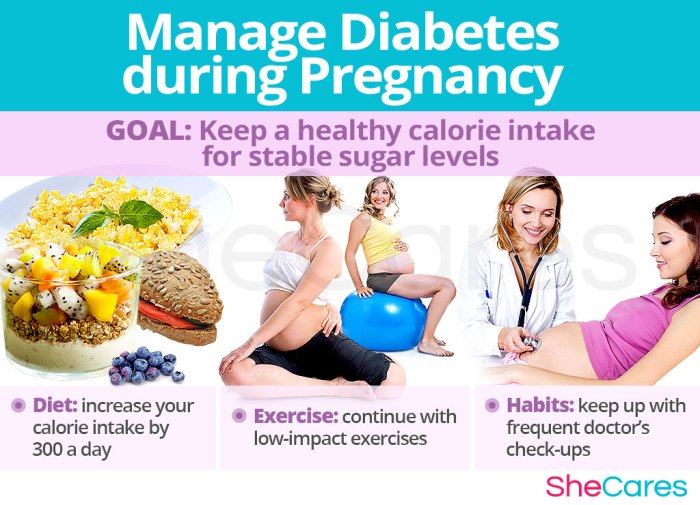
Diabetes care during pregnancy presents unique challenges and requires a multifaceted approach. Successfully navigating this period necessitates a deep understanding of physiological changes, meticulous monitoring, and proactive management strategies. This guide explores the complexities of managing diabetes during pregnancy, encompassing dietary adjustments, medication options, and crucial mental health considerations to ensure both maternal and fetal well-being.
From understanding the diagnostic criteria for gestational diabetes to developing effective coping mechanisms for stress and anxiety, we aim to empower expectant mothers with the knowledge and resources necessary for a healthy pregnancy. We will delve into the intricacies of blood glucose monitoring, the potential complications associated with uncontrolled diabetes, and the importance of postpartum care in preventing long-term health issues.
Diabetes Management During Pregnancy: Diabetes Care During Pregnancy
Managing diabetes during pregnancy is crucial for both the mother’s and the baby’s health. Careful monitoring and management of blood sugar levels are essential to minimize potential complications. This section will detail the physiological changes, diagnostic criteria, dietary recommendations, and insulin therapy options for gestational diabetes.
Physiological Changes in Glucose Metabolism During Pregnancy
Pregnancy significantly alters glucose metabolism. Hormonal changes, primarily the increase in placental hormones such as human placental lactogen (hPL), progesterone, and cortisol, promote insulin resistance. This means the body’s cells become less responsive to insulin, requiring the pancreas to produce more insulin to maintain normal blood glucose levels. The increased insulin demand is usually met initially, but in some women, this compensatory mechanism fails, leading to gestational diabetes.
Furthermore, the growing fetus’s demand for glucose also contributes to the increased metabolic burden on the mother. The liver also plays a significant role, increasing its glucose production to meet the demands of both mother and fetus.
Diagnostic Criteria for Gestational Diabetes
Gestational diabetes is diagnosed through various screening tests. The initial screening usually occurs between 24 and 28 weeks of gestation. A common screening test is the 50-gram oral glucose challenge test (OGCT). If the OGCT result is elevated, a more comprehensive test, the 100-gram oral glucose tolerance test (OGTT), is performed. This test measures blood glucose levels at fasting and at intervals after consuming a glucose solution.
Diagnosis of gestational diabetes is based on specific thresholds for blood glucose levels at different time points during the OGTT. These thresholds vary slightly depending on the guidelines used, but generally involve elevated levels at one or more time points.
Dietary Recommendations for Managing Blood Sugar Levels During Pregnancy
Dietary management is a cornerstone of gestational diabetes control. The goal is to maintain stable blood glucose levels throughout the day. This involves consuming regular, balanced meals and snacks that are low in glycemic index (GI). High-GI foods cause rapid spikes in blood sugar, while low-GI foods provide a more gradual and sustained release of glucose. Recommendations generally include: focusing on complex carbohydrates like whole grains, fruits, and vegetables; incorporating lean protein sources like fish, poultry, beans, and lentils; choosing healthy fats like avocados and nuts; and limiting refined carbohydrates, sugary drinks, and processed foods.
Portion control is also crucial. Frequent, smaller meals and snacks can help prevent significant fluctuations in blood glucose.
Sample Meal Plan for a Pregnant Woman with Gestational Diabetes
This is a sample meal plan and individual needs may vary. Consult a registered dietitian or certified diabetes educator for personalized guidance.| Meal | Food Items | Portion Size (Approximate) ||—————|—————————————————|—————————-|| Breakfast | Oatmeal with berries and a sprinkle of nuts | ½ cup oatmeal, ½ cup berries, 1 tbsp nuts || Mid-morning | Apple slices with 2 tablespoons of peanut butter | 1 medium apple, 2 tbsp peanut butter || Lunch | Salad with grilled chicken or fish, mixed greens, and a light vinaigrette | 4 oz grilled chicken/fish, 2 cups mixed greens || Afternoon Snack| Greek yogurt with a handful of almonds | 1 cup Greek yogurt, ¼ cup almonds || Dinner | Baked salmon with roasted vegetables (broccoli, carrots) and a small portion of brown rice | 4 oz salmon, 1 cup roasted vegetables, ½ cup brown rice |
Comparison of Insulin Types Used in Managing Gestational Diabetes
Several types of insulin are used to manage gestational diabetes, each with its own onset and duration of action. The choice of insulin depends on individual needs and preferences, determined in consultation with a healthcare provider.
| Insulin Type | Onset (hours) | Peak (hours) | Duration (hours) |
|---|---|---|---|
| Short-acting (Regular) | 0.5-1 | 2-4 | 5-8 |
| Intermediate-acting (NPH) | 1-2 | 4-12 | 16-24 |
| Rapid-acting (Lispro, Aspart, Glulisine) | 0.25-0.5 | 0.5-3 | 3-5 |
| Long-acting (Glargine, Detemir) | 1-2 | No significant peak | 20-24 |
Monitoring Blood Glucose Levels
Maintaining stable blood glucose levels is crucial for a healthy pregnancy, especially for individuals with diabetes. Regular monitoring allows for timely adjustments to your diabetes management plan, minimizing risks to both the mother and the developing baby. Effective monitoring empowers you to actively participate in your care and contribute to a positive pregnancy outcome.Accurate blood glucose monitoring is essential for managing gestational diabetes and pre-existing diabetes during pregnancy.
This involves understanding the different methods available, mastering testing techniques, and adhering to a consistent monitoring schedule as recommended by your healthcare provider. The frequency of testing will vary depending on your individual needs and the stage of pregnancy.
Home Blood Glucose Monitoring
Home blood glucose monitoring (HBGM) uses a small device called a glucometer to measure the glucose level in a drop of blood obtained from a finger prick. This method provides immediate results and is widely accessible. Most glucometers are easy to use and require minimal training. Before using a glucometer, carefully read the manufacturer’s instructions. Proper calibration and regular maintenance of the device are crucial for accurate readings.
Results are typically displayed in milligrams per deciliter (mg/dL) or millimoles per liter (mmol/L).
Continuous Glucose Monitoring Systems
Continuous glucose monitoring (CGM) systems offer a more comprehensive approach to blood glucose monitoring. These systems use a small sensor inserted under the skin to continuously measure glucose levels in the interstitial fluid (fluid surrounding the cells). Data is transmitted wirelessly to a receiver or smartphone, providing real-time glucose readings and trends. CGMs offer several advantages, including the ability to detect rapid changes in glucose levels, provide historical data, and minimize the need for frequent finger-prick tests.
However, CGMs require a prescription and may not be suitable for everyone.
Best Practices for Accurate Blood Glucose Testing
Accurate blood glucose testing involves several key steps. Always wash your hands thoroughly with soap and water before testing. Ensure the test strip is correctly inserted into the glucometer. Obtain a sufficient blood sample by pricking your fingertip appropriately. Follow the manufacturer’s instructions for applying the blood sample to the test strip.
Avoid squeezing the fingertip, as this can dilute the blood sample and lead to inaccurate results. Record your results in a logbook or use a diabetes management app to track your glucose levels over time. Regularly check the expiration dates of test strips and calibration solutions.
Step-by-Step Guide to Using a Home Blood Glucose Meter
- Wash and dry your hands thoroughly.
- Insert a new test strip into the glucometer.
- Use a lancet device to prick the side of your fingertip.
- Gently squeeze your finger to obtain a small drop of blood.
- Apply the blood sample to the test strip.
- Wait for the glucometer to display the glucose reading.
- Record the reading in your logbook or app.
- Dispose of the used lancet and test strip properly.
Importance of Regular Blood Glucose Monitoring
Regular blood glucose monitoring plays a vital role in preventing and managing pregnancy complications associated with diabetes. Consistent monitoring helps to identify patterns in glucose levels, allowing for timely adjustments to your diet, medication, and exercise regimen. This can help prevent hyperglycemia (high blood sugar) and hypoglycemia (low blood sugar), both of which can have serious consequences for both the mother and the baby.
Frequent monitoring enables healthcare providers to optimize your diabetes management plan and make necessary adjustments throughout the pregnancy. Early detection and management of blood glucose fluctuations significantly reduce the risk of complications such as preeclampsia, birth defects, and macrosomia (large baby).
Potential Complications of Diabetes in Pregnancy
Diabetes during pregnancy, whether pre-existing or gestational, presents significant risks for both the mother and the developing baby. Effective management is crucial to minimize these risks and ensure a healthy pregnancy outcome. Understanding the potential complications and implementing preventative strategies are paramount for positive results.
Potential Complications for the Mother
Pre-existing or poorly controlled diabetes increases the mother’s risk of several complications during pregnancy. These include hypertensive disorders such as preeclampsia (high blood pressure and protein in the urine) and gestational hypertension, which can lead to serious complications for both mother and baby. Additionally, there’s an increased risk of infections, ketoacidosis (a dangerous buildup of ketones in the blood), and postpartum hemorrhage (excessive bleeding after delivery).
Women with diabetes may also experience a higher risk of needing a Cesarean section. The severity of these complications is directly linked to the level of blood glucose control throughout the pregnancy.
Potential Complications for the Baby
Poorly managed diabetes during pregnancy significantly impacts fetal development. Babies born to mothers with diabetes are at increased risk of macrosomia (excessive birth weight), which can lead to birth trauma for both mother and baby during delivery. There’s also a higher risk of birth defects, including congenital heart defects and neural tube defects. Furthermore, babies of diabetic mothers may experience respiratory distress syndrome at birth, hypoglycemia (low blood sugar) after delivery, and increased risk of jaundice.
Long-term health consequences for the child can include an increased risk of developing type 2 diabetes later in life.
Risk Factors for Gestational Diabetes
Gestational diabetes, a form of diabetes that develops during pregnancy, affects approximately 2-10% of pregnancies. Several factors increase the risk of developing gestational diabetes. These include a family history of diabetes, obesity (pre-pregnancy BMI over 25), previous history of gestational diabetes, ethnicity (certain ethnicities have a higher predisposition), and age (women over 35 are at increased risk). Polycystic ovary syndrome (PCOS) and having previously given birth to a large baby also increase the risk.
Identifying these risk factors allows for early screening and proactive management.
Management Strategies for Type 1 and Type 2 Diabetes
Managing diabetes during pregnancy requires a multidisciplinary approach involving careful monitoring and adjustments to treatment plans. While both type 1 and type 2 diabetes require meticulous blood glucose control, the management strategies differ somewhat. Type 1 diabetes typically necessitates insulin therapy throughout the pregnancy, with adjustments made based on regular blood glucose monitoring and potentially additional insulin doses.
Type 2 diabetes may initially be managed with lifestyle modifications, including diet and exercise, but often requires medication, including insulin, to achieve optimal glucose control. Regular checkups with both an obstetrician and a diabetologist are crucial for both types. The goal is to maintain blood glucose levels within a target range to minimize complications.
Preventative Measures to Mitigate Complications
Maintaining optimal blood glucose levels is the cornerstone of preventing complications. This involves:
- Regular blood glucose monitoring, as advised by your healthcare provider.
- Following a healthy, balanced diet with consistent carbohydrate intake.
- Engaging in regular, moderate-intensity physical activity as tolerated.
- Taking prescribed medications as directed and attending all scheduled appointments.
- Working closely with your healthcare team to manage any complications promptly.
Medication and Treatment Options

Managing diabetes during pregnancy requires a careful approach, often involving medication to maintain blood glucose levels within a healthy range. The goal is to minimize risks to both the mother and the developing fetus. The choice of medication and its dosage depend on several factors, including the type of diabetes, the mother’s overall health, and the gestational age.
Insulin Therapy
Insulin is the most common medication used to manage diabetes during pregnancy. Unlike oral medications, insulin doesn’t cross the placenta and therefore poses less risk to the developing fetus. Different types of insulin exist, each with varying onset and duration of action. Short-acting insulin, like regular insulin, is typically used for mealtime coverage, while longer-acting insulins, such as NPH or glargine, provide basal coverage throughout the day and night.
The precise insulin regimen is determined by the pregnant person’s individual needs and is frequently adjusted throughout the pregnancy as insulin requirements fluctuate.
Oral Medications
While insulin is generally preferred during pregnancy, certain oral medications might be considered in specific situations, particularly if the pregnant person has gestational diabetes and their blood sugar levels are only mildly elevated and well-controlled with diet and exercise. Metformin is an example of an oral medication that may be used in some cases, although its use during pregnancy is carefully considered due to potential, albeit rare, risks to the fetus.
However, the benefits of tightly controlling blood sugar must be weighed against any potential risks. Always consult with your doctor before starting or stopping any medication during pregnancy.
Adjusting Medication Dosages During Pregnancy
Insulin requirements often increase significantly during pregnancy, particularly in the second and third trimesters. This is due to hormonal changes and the increased demand for glucose by the growing fetus. Regular monitoring of blood glucose levels is crucial to guide adjustments in insulin dosage. Frequent blood glucose testing, often multiple times a day, allows healthcare providers to tailor the insulin regimen to maintain optimal glucose control.
Failure to adjust insulin doses appropriately can lead to hyperglycemia (high blood sugar) or hypoglycemia (low blood sugar), both of which can be harmful to the mother and the fetus. For example, a woman who usually requires 20 units of insulin might need 30 or more units as her pregnancy progresses.
Administering Insulin Injections
Safe and effective insulin injection involves several key steps. First, wash your hands thoroughly. Then, gather your supplies: insulin vial or pen, alcohol swabs, and sharps container. Clean the injection site with an alcohol swab and allow it to dry. Pinch the skin gently to create a subcutaneous injection site.
Insert the needle at a 45- or 90-degree angle, depending on the needle length and the amount of subcutaneous tissue available. Inject the insulin slowly and steadily. Remove the needle and apply gentle pressure to the injection site. Dispose of the used needle immediately and safely in a sharps container. Different injection sites, such as the abdomen, thighs, and upper arms, can be rotated to prevent lipohypertrophy (fat buildup at the injection site).
Proper injection technique is crucial to prevent complications such as bruising, infection, and lipohypertrophy.
Postpartum Diabetes Management
The period after childbirth is crucial for managing diabetes and preventing long-term health complications. Careful monitoring and proactive strategies are essential to ensure both maternal well-being and the prevention of future diabetes development. This section Artikels the key aspects of postpartum diabetes management, focusing on glucose monitoring, preventative measures, and long-term health implications.Postpartum glucose monitoring and follow-up care are vital for detecting any lingering effects of gestational diabetes or the onset of type 2 diabetes.
Regular blood glucose checks, often recommended for several weeks after delivery, help healthcare providers assess glucose control and make informed decisions regarding ongoing management. Consistent follow-up appointments allow for personalized guidance and adjustments to treatment plans as needed.
Postpartum Glucose Monitoring and Follow-up Care
Regular blood glucose testing is recommended for several weeks after delivery, especially for women with gestational diabetes. The frequency of testing depends on individual risk factors and the results of previous tests. This monitoring helps identify any persistent hyperglycemia, which might indicate a higher risk of developing type 2 diabetes later in life. Follow-up appointments with healthcare professionals allow for a comprehensive assessment of the mother’s overall health and facilitate necessary adjustments to dietary and lifestyle interventions.
This close monitoring and follow-up support are critical in reducing long-term health risks.
Strategies for Preventing Type 2 Diabetes
Maintaining a healthy lifestyle after pregnancy plays a significant role in preventing the development of type 2 diabetes. This includes adopting a balanced diet emphasizing whole grains, fruits, vegetables, and lean proteins, while limiting processed foods, sugary drinks, and unhealthy fats. Regular physical activity, such as at least 150 minutes of moderate-intensity aerobic exercise per week, is also crucial for improving insulin sensitivity and weight management.
Weight loss, if necessary, can significantly reduce the risk of type 2 diabetes. Furthermore, breastfeeding can positively influence glucose metabolism and reduce the risk of developing type 2 diabetes in the future. A multi-faceted approach incorporating these lifestyle changes significantly enhances the chances of preventing long-term health issues.
Long-Term Health Implications of Gestational Diabetes
Gestational diabetes, if not properly managed, increases the risk of developing type 2 diabetes later in life. Women with a history of gestational diabetes have a significantly higher likelihood of developing type 2 diabetes compared to women without this history. Additionally, gestational diabetes can also increase the risk of cardiovascular disease, metabolic syndrome, and other long-term health complications.
Regular health check-ups, including blood glucose monitoring and other relevant tests, are vital for early detection and management of these potential risks. Women with a history of gestational diabetes should maintain a healthy lifestyle and be vigilant about their health to mitigate these potential long-term risks. For example, a study in the American Journal of Obstetrics and Gynecology showed a significantly increased risk of developing type 2 diabetes within 5-10 years of pregnancy for women with a history of gestational diabetes.
Ongoing Diabetes Management Plan After Delivery, Diabetes care during pregnancy
A comprehensive plan for ongoing diabetes management after delivery is essential for maintaining long-term health. This plan should include:Dietary Recommendations: A balanced diet rich in fiber, lean protein, and healthy fats is crucial. This involves choosing whole grains over refined grains, incorporating plenty of fruits and vegetables, and limiting intake of saturated and trans fats, as well as added sugars.
Portion control is also important to maintain a healthy weight. For example, a diet emphasizing whole grains, such as brown rice and quinoa, and lean protein sources, such as fish and chicken, is beneficial.Exercise Guidelines: Regular physical activity, including at least 150 minutes of moderate-intensity aerobic exercise per week, is vital for improving insulin sensitivity and managing weight. This can include activities such as brisk walking, swimming, or cycling.
Strength training exercises are also beneficial for building muscle mass, which helps improve glucose metabolism. It is recommended to gradually increase the intensity and duration of exercise to avoid overexertion.
Managing diabetes during pregnancy is a journey that requires dedication, planning, and a strong support system. By understanding the physiological changes, implementing effective monitoring techniques, and prioritizing both physical and mental well-being, expectant mothers can significantly reduce the risks associated with diabetes and promote a healthy pregnancy outcome. Remember, proactive management and consistent communication with healthcare providers are key to a successful pregnancy journey.
FAQs
Can I still exercise if I have gestational diabetes?
Yes, regular moderate exercise is beneficial. Consult your doctor for a safe exercise plan.
What are the long-term risks of gestational diabetes?
Increased risk of developing type 2 diabetes later in life for both mother and child.
How often should I check my blood sugar?
Frequency depends on your individual needs, as determined by your doctor. It may range from several times a day to once daily.
Is it safe to breastfeed if I have diabetes?
Breastfeeding is generally safe and encouraged, but close monitoring of blood sugar levels is crucial.
What are some signs of gestational diabetes?
Increased thirst, frequent urination, unexplained weight loss, and fatigue are common symptoms. A formal diagnostic test is necessary for confirmation.


